
Disclosure: BestFishingReviews.com earns a commission on qualifying purchases made through affiliate links in this article, at no extra cost to you.
You already own a reel. Maybe it came bundled with a rod, maybe a buddy handed it down, or maybe you grabbed whatever was on sale at the sporting goods store. It got you started, and that’s fine. But now you’re standing in the aisle — or scrolling at midnight — staring at a wall of options with numbers and acronyms that mean nothing yet. Gear ratios. Drag ratings. Ball bearings. You know enough to know your current reel is holding you back, but not quite enough to know what to buy next. That’s exactly where this guide picks up. We’re going to cut through the noise and help you spend your money on a reel that actually matches how and where you fish.
See current price & availability on AmazonCheck on Amazon →Know Your Reel Types Before Anything Else
The single biggest mistake intermediate anglers make is buying the wrong style of reel for their fishing situation. Each type has a real job, and forcing one to do another’s work is a frustration you don’t need.
Spinning Reels
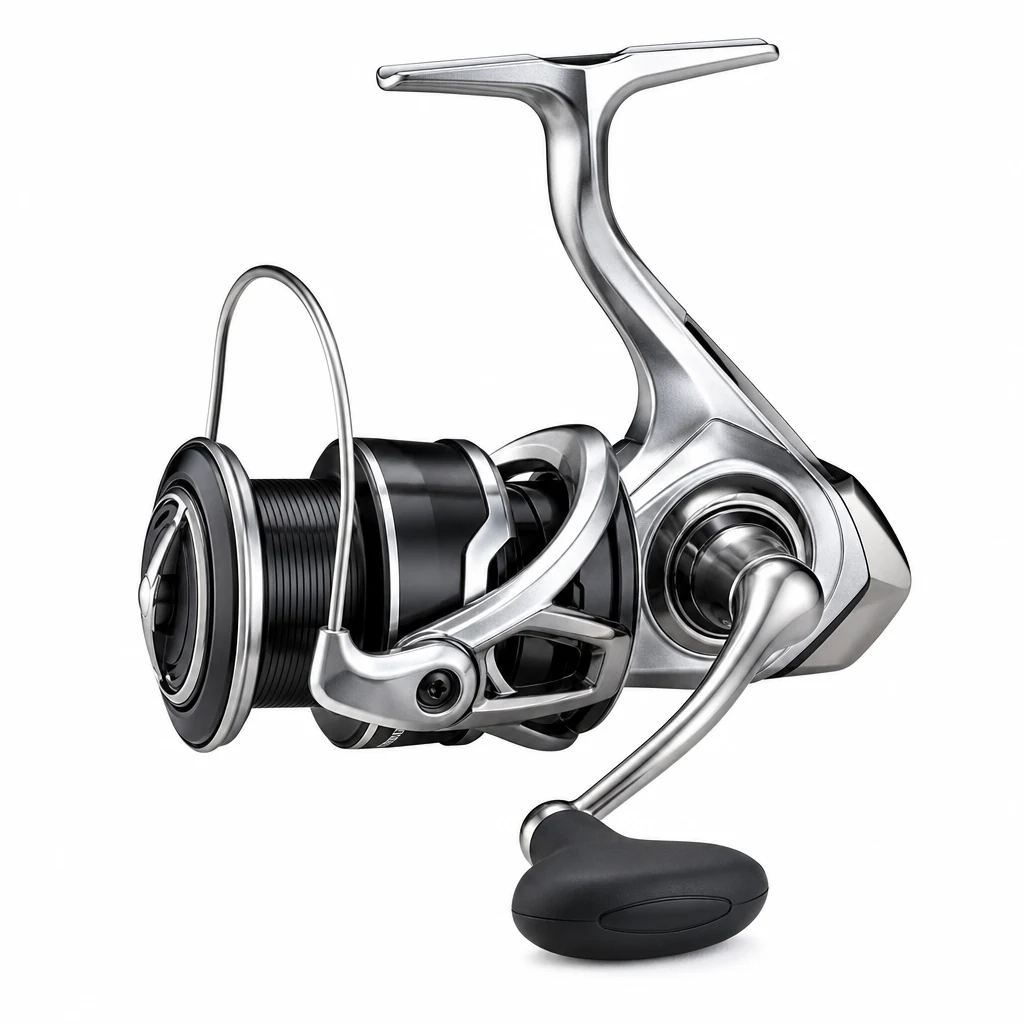
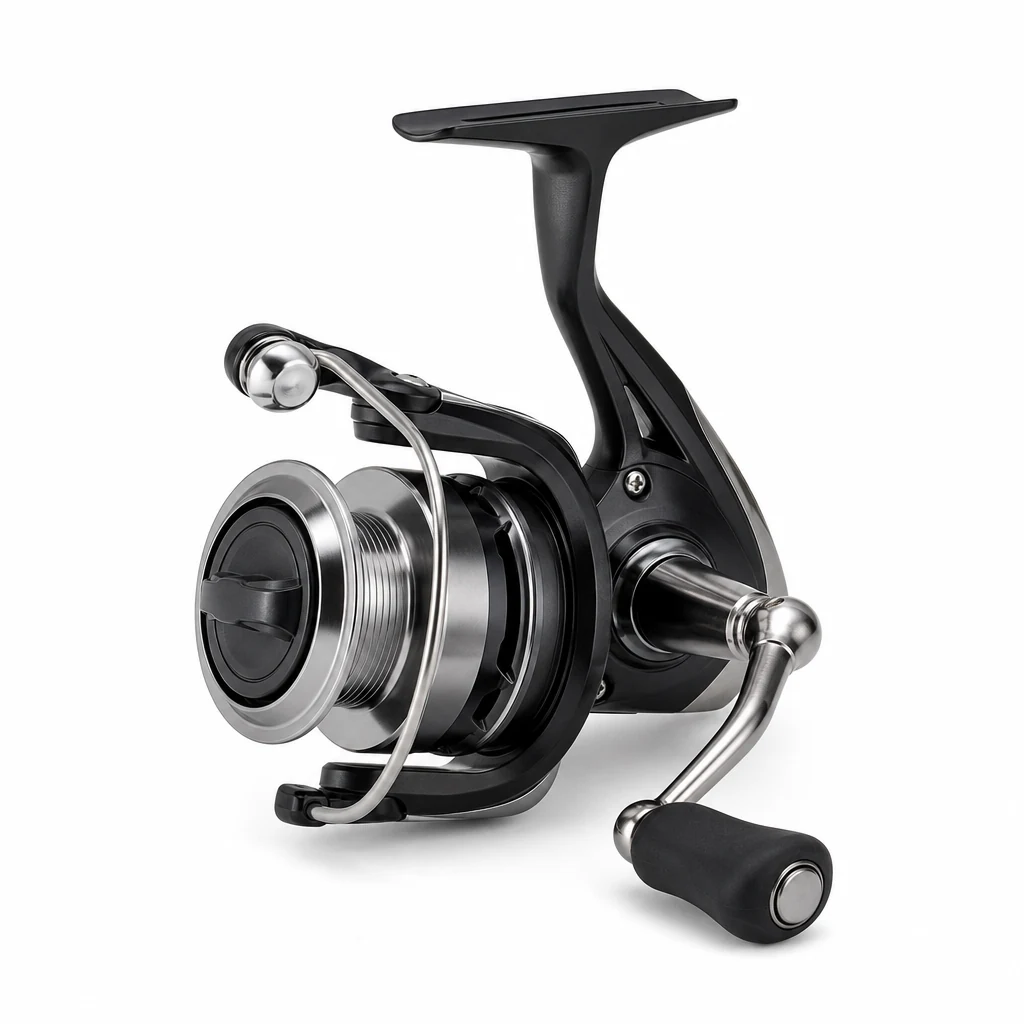
The spinning reel hangs below the rod, has a fixed spool, and uses a bail to manage line. It’s the Swiss Army knife of fishing — handles light lures well, casts easily into wind, and forgives technique errors better than baitcasters. If you’re fishing open water, targeting bass with finesse rigs, chasing walleye, or working freshwater species with 6- to 15-pound line, a quality spinning reel is almost always your best call. This is where most second and third reels land for good reason.
Baitcasting Reels
Baitcasters sit on top of the rod and give you more control over cast distance and accuracy — once you learn them. The learning curve is real. Backlashes will happen. But for throwing heavier lures like crankbaits, swimbaits, and jigs, or flipping and pitching into heavy cover, a baitcaster pays off. Most bass tournament anglers rely on them heavily. If you’re ready to put in the practice, a low-profile baitcasting reel with a decent braking system is a rewarding upgrade.
Spincast Reels
Spincasts have a closed face and push-button operation. They’re dead simple to use, which makes them great for kids or casual dock fishing. For a serious second or third reel, though, they rarely make sense. The enclosed design limits line capacity, reduces casting distance, and tends to wear out faster. You’ve probably already outgrown this category.
Fly Reels
Fly reels are a world unto themselves. They’re designed to hold fly line and backing, and on most trout setups they’re basically a line-storage device — the drag rarely comes into play. On larger species like steelhead or saltwater fish, the drag matters a lot more. If you’re stepping into fly fishing, match the reel to your rod weight and target species. It’s a separate discipline from conventional fishing and deserves its own deep dive.
Gear Ratios: Speed Isn’t Everything
The gear ratio tells you how many times the spool rotates for every single turn of the handle. A 6.4:1 reel turns the spool 6.4 times per handle crank. Higher number means faster retrieve. But faster isn’t automatically better — it’s a tool choice.
Here’s the practical breakdown most guides skip:
- Low ratio (5.0:1 to 5.9:1): More torque, slower retrieve. Great for deep-diving crankbaits, big swimbaits, and anything that requires steady, hard-pulling power. The reel does the work so your arm doesn’t have to.
- Medium ratio (6.0:1 to 6.9:1): The do-everything zone. Works well for most presentations, from jigs to topwater. This is where most anglers should start.
- High ratio (7.0:1 and above): Fast pick-up of slack line, great for techniques like flipping, frogging, or when fish run toward you. Less torque, though, so it can feel like work on big fish or deep lures.
For your second or third reel, a 6.2:1 to 6.8:1 ratio will cover the most ground. Once you dial in your favorite techniques, you can start matching specific ratios to specific presentations like the serious anglers do.
Drag Systems: Your Insurance Policy on Big Fish
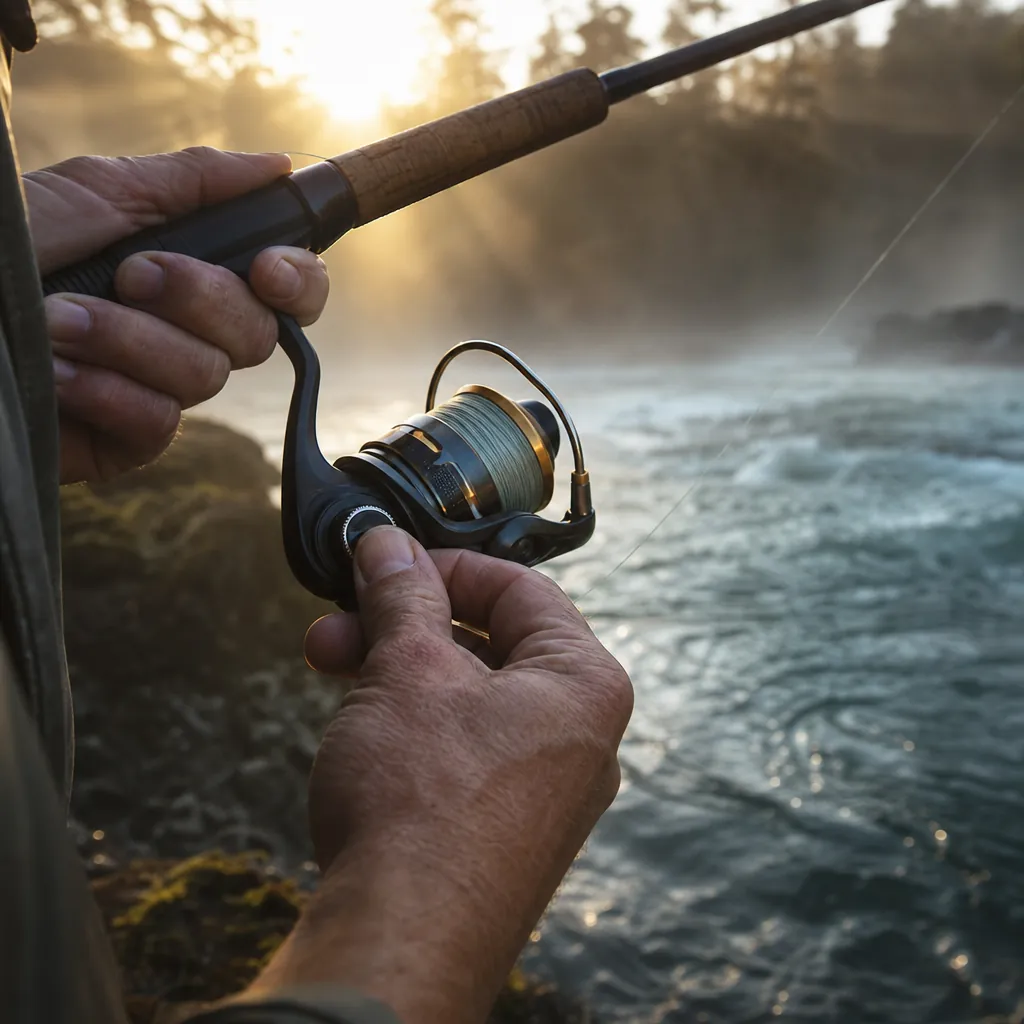
Drag is the mechanism that lets line slip off the spool under pressure so a strong fish doesn’t snap your line. A bad drag is a fish lost. It’s that simple. What separates a $40 reel from a $140 reel more than almost anything else is drag quality — how smooth it is, how consistent it stays under heat and pressure, and how much maximum force it can deliver.
There are two things to care about:
- Max drag weight: Rated in pounds. Match this to your target species. Chasing 5-pound bass? You don’t need 30 pounds of drag. Targeting big stripers or redfish? You do.
- Drag smoothness: This matters more than the max number. A drag that grabs, stutters, or surges will cost you fish. Look for carbon fiber or felt drag washers — they tend to run smoother and handle heat better than cheap composite alternatives.
Front drag systems on spinning reels (the big knob at the nose of the spool) generally outperform rear drag systems in terms of smoothness and max pressure. Rear drags are convenient but compromised. If you’re serious, go front drag every time.
Ball Bearings: How Many Do You Actually Need?
Every reel spec sheet leads with bearing count like it’s the headline stat of the season. “10+1 bearings!” sounds impressive. But the number alone means almost nothing without knowing the quality of those bearings.
Ball bearings reduce friction and make the reel feel smoother during the cast and retrieve. More bearings in the right places — handle, line roller, spool shaft — do improve feel. But a reel with 5 high-quality stainless steel bearings will outperform one with 10 cheap pot-metal bearings every single day of the week.
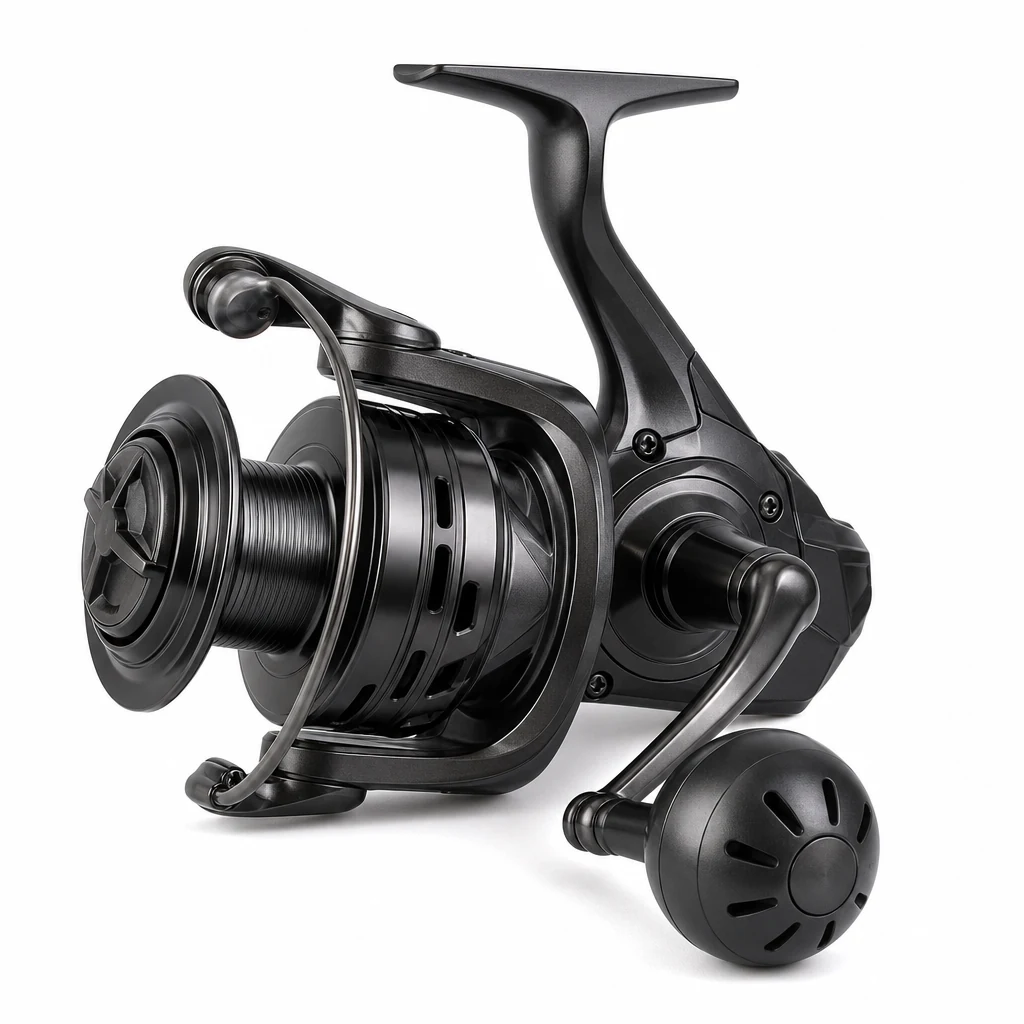
For practical purposes: 4 to 6 quality bearings is plenty for most freshwater fishing. Saltwater use demands corrosion-resistant (CRBB) or shielded stainless bearings — this is non-negotiable if you’re near the ocean. A reel with great bearings that seize up from salt exposure after two trips is worthless.
The smoothness test: if you can pick up a reel in a shop, turn the handle slowly and feel for wobble, grit, or any inconsistency in the rotation. That tells you more than any number on the box.
Common Mistakes When Buying a Reel
- Chasing specs instead of matching the tool to the job. A high-speed baitcaster means nothing if you’re throwing light finesse baits that require a spinning setup.
- Buying too much reel for the rod. A heavy, high-capacity reel on a light rod throws off balance and kills the feel. Always match reel size to rod power.
- Ignoring line capacity. Make sure the reel can hold enough of the line type and pound test you actually use. Spool capacity charts are on every box — read them.
- Skipping maintenance on a cheap reel and wondering why it fails. Even budget reels last longer with occasional cleaning and lubing. Don’t neglect it.
- Buying saltwater with a freshwater reel. Corrosion will destroy an unprotected reel faster than you think. If you’re fishing salt, look for sealed bearings and corrosion-resistant construction — a dedicated saltwater spinning reel is worth every cent.
When to Spend More — and When Not To
Budget matters, and there’s no shame in fishing a $60 reel. But here’s where the honest conversation about price lives: below about $50, you’re almost always compromising on drag quality, bearing quality, or both. Between $80 and $150, you hit a strong middle ground where most freshwater anglers will find everything they need for years of hard fishing. Above $200, you’re paying for incremental gains — lighter materials, tighter tolerances, better bearings — that matter more to competitive anglers or those targeting hard-running saltwater species than they do to the weekend bass angler.
Spend more when:
- You fish often enough that durability and consistency translate to real-world value.
- You’re targeting big, strong fish where drag performance is mission-critical.
- You fish in saltwater or harsh environments that eat cheap components alive.
Stay in the mid-range when you’re still figuring out your technique preferences or fishing casually. A solid mid-range spinning reel under $100 from a reputable brand like Shimano, Daiwa, or Penn will outfish a cheap reel and hold up longer than you’d expect.
One more note: a quality used reel in good condition beats a new budget reel almost every time. The used market — especially on fishing forums and local classifieds — is full of mid- and high-end reels that have been lightly used and well maintained. Don’t overlook it.
How to Actually Choose Your Next Reel
Walk through this in order and you’ll land in the right place almost every time:
- Step 1 — Define the job. What species, what water, what techniques? Be specific. “Bass fishing” is too vague. “Finesse drop-shotting in clear lakes for spotted bass” is not.
- Step 2 — Pick the right reel type. Spinning, baitcasting, or fly — based on technique and lure weight. Don’t fight the tool.
- Step 3 — Match size to rod. A 2500-size spinning reel on a light rod, a 3000-4000 for medium applications, larger for heavier work. Check the rod manufacturer’s recommendations.
- Step 4 — Set your budget range. Be honest. Then look for the best drag system and smoothest feel in that range, not the highest bearing count.
- Step 5 — Handle it before you buy if possible. Pick it up, crank the handle, work the drag knob. Feel tells you what specs can’t.
If you’re buying online, stick with established brands and read reviews from actual anglers — not the star rating, the written comments. Look for patterns: consistent complaints about drag, bail springs, or handle wobble are red flags. Consistent praise for longevity and smoothness means something. For baitcasters specifically, make sure the braking system (magnetic or centrifugal) matches your experience level — magnetic is more forgiving for anglers still dialing in their technique. A magnetic brake baitcaster gives you more room for error while you learn.
The Bottom Line
Picking the right reel isn’t complicated once you stop letting the marketing specs drive the decision. Match the reel type to your technique, get a gear ratio in the versatile middle range, prioritize a smooth drag over bearing count, and spend enough to get quality construction without chasing premium features you won’t use. Your second or third reel should be a genuine upgrade — something that makes you a better angler because it’s actually designed for the fishing you do. Get that right, and it’ll be on your rod for years before you’re thinking about the next one.