Disclosure: BestFishingReviews.com earns a commission on qualifying purchases made through affiliate links in this article, at no extra cost to you.
You’re twenty minutes from the water when you realize you left the pliers on the workbench. Or you get to the ramp and your buddy asks for sunscreen and you both just stare at each other. We’ve all been there. A solid gear checklist doesn’t make you a better angler — it just makes sure nothing stupid ruins your day before the fish even get a chance to. Whether you’re chasing bass on a local pond or wading a mountain trout stream, the gear categories below cover everything you need for a safe, comfortable, productive all-day trip. Go through this once before every outing and you’ll spend your time fishing instead of improvising.
See current price & availability on AmazonCheck on Amazon →Rods and Reels: Match the Setup to the Mission
Your rod and reel combo is the foundation of the whole operation, so it’s worth thinking through before you load the truck. The biggest mistake anglers make is grabbing whatever’s handy instead of what’s right for the target species and technique. A 7-foot medium-heavy baitcaster is a great bass rod, but it’ll feel like a broomstick if you’re throwing tiny jigs for crappie.
For most freshwater anglers, a 6’6″ to 7′ medium-power spinning rod paired with a 2500–3000 size spinning reel covers the widest range of situations. If you’re new to the sport or shopping for a versatile backup, look at freshwater spinning combos that bundle a matched rod and reel — they save money and take the guesswork out of pairing components. Saltwater trips demand corrosion-resistant materials and heavier line ratings, so don’t assume your bass gear travels well to the coast.
Checklist items:
- Primary rod and reel (pre-spooled, drag tested)
- Backup rod if possible — snapped tips happen
- Rod tube or sleeve for transport
- Reel handle tightened, bail spring working
Line: The One Piece of Gear Most Anglers Neglect
Fishing line is the only thing connecting you to the fish, and it’s also the thing anglers replace least often. Old, UV-damaged monofilament has memory coils and weak spots you can’t always see. Make it a habit to respool at the start of each season, and check your line for nicks before every trip — run it between your fingers from the lure back about three rod lengths.
For general freshwater use, 8–12 lb monofilament or copolymer is dead simple and forgiving. Fluorocarbon leader material gives you an invisible connection in clear water and is worth adding to your kit. Braided line in the 10–20 lb range gives you sensitivity and zero stretch for feeling bottom structure, but pair it with a fluorocarbon leader so fish don’t see the line. A good fluorocarbon fishing line costs a few bucks and can be the difference between a bite and a spook in gin-clear conditions.
- Main line spooled fresh and full
- Fluorocarbon or mono leader material
- Spare spool or extra line (especially on long trips)
Tackle: Think Depth, Cover, and Conditions
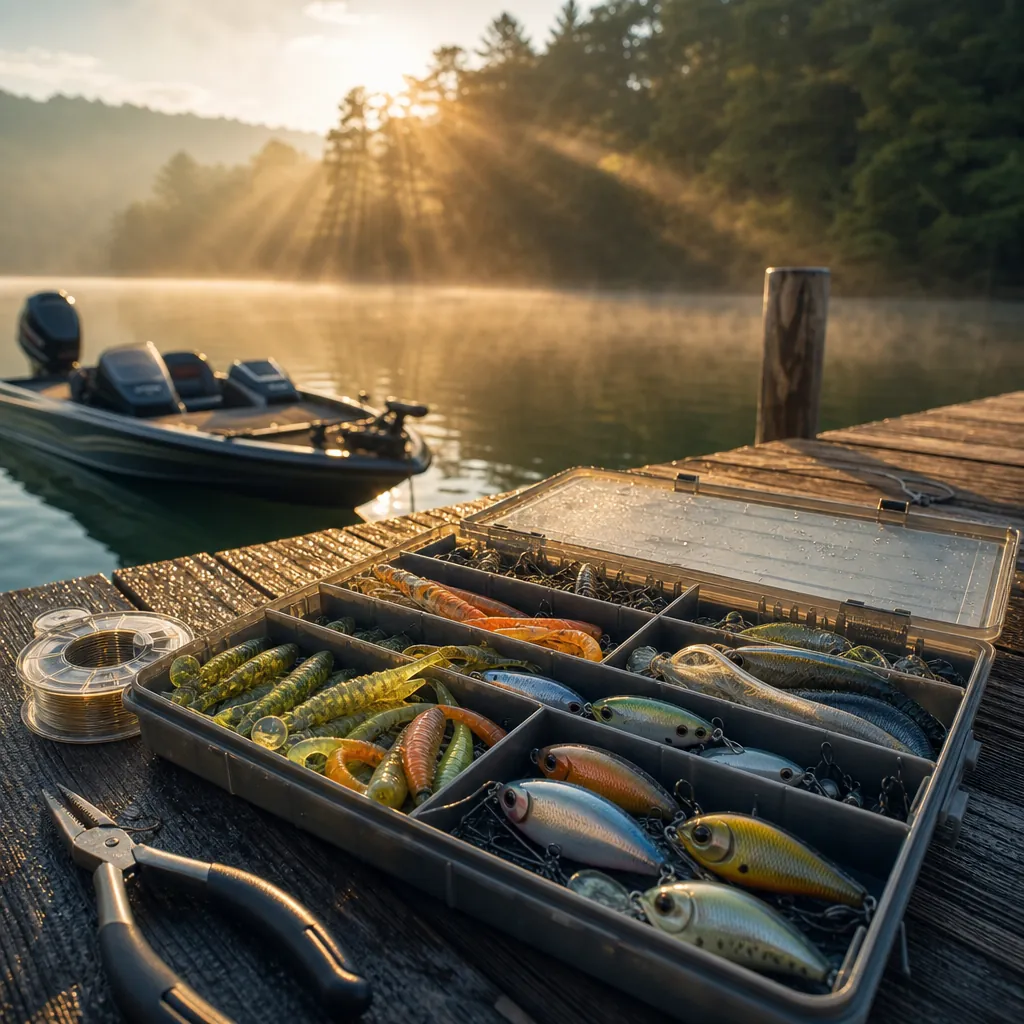
Tackle boxes can get out of hand fast. The best system is to build a core box for each species you target and pull only what you need for that day’s trip. Chasing everything with everything is how you end up hauling a 40-pound bag for a bank-fishing afternoon.
For a general freshwater outing, your tackle checklist should cover:
- Hooks: assorted sizes, including wire hooks for live bait and offset worm hooks for plastics
- Weights: split shot, bullet sinkers, bell sinkers in a few sizes
- Swivels and snaps
- Soft plastics: worms, crawfish, paddle tails — a few colors each
- Hard baits: 1–2 crankbaits, a topwater plug, a swim jig
- Bobbers/floats
- Spare lure components (replacement treble hooks, split rings)
Organize by technique if you can. A small utility box for your finesse gear, a separate tray for your hard baits. It sounds fussy but it saves real time on the water when the bite is happening.
Apparel: Sun Protection Is Safety, Not Vanity
Experienced anglers treat sun protection as seriously as their tackle selection. Skin damage accumulates over years of time on the water, and a sunburned day is a miserable day no matter how good the fishing is. The basics: broad-spectrum SPF 50 sunscreen, a sun hat with a full brim, and polarized sunglasses.
Polarized lenses are non-negotiable. They cut the glare off the surface so you can actually see into the water column — spotting fish, reading structure, tracking your lure. A decent pair of polarized fishing sunglasses runs $20–$60 and pays for itself the first time you spot a fish holding in the shade that you’d have walked right past.
For a full-day trip, a vented UPF-rated fishing shirt is worth every penny — cooler than a cotton t-shirt, protects your arms, and dries fast if you get splashed. If you’re wading cold water, breathable waders with wading boots (felt or rubber sole depending on your regulations) belong on the list.
- Wide-brim sun hat or ball cap with neck shade
- Polarized sunglasses
- UPF fishing shirt (long sleeve recommended)
- Sunscreen SPF 50+ (lips and ears too)
- Rain layer — weather changes fast
- Waders and wading boots (if applicable)
- Wading staff (for swift currents)
Safety Gear: The Stuff You Hope You Never Use
This isn’t where you cut corners. A few lightweight items take up almost no space and can genuinely save your life or someone else’s on a bad day.
If you’re on a boat of any kind — canoe, kayak, johnboat, bass boat — a properly fitted Coast Guard-approved personal flotation device (PFD) for every person on board is federal law, not just a good idea. Inflatable PFDs are comfortable enough that you’ll actually wear one. Keep a throwable flotation device accessible on any motorized craft.
- PFD for every person (worn, not stowed under the seat)
- Throwable flotation device (boats)
- First-aid kit: bandages, antiseptic, tweezers for hook removal, sting relief
- Charged phone or VHF radio (offshore/remote trips)
- Whistle or signal device
- Drinking water — minimum one liter per person per hour in summer heat
- Snacks with real calories (not just chips)
Comfort and Tools: The Stuff That Makes a Long Day Bearable
You can have the perfect rod and the ideal weather and still have a rough day if you’re dehydrated, sitting on a hard gunwale for six hours with no shade. Comfort gear isn’t luxury — it’s what keeps you fishing at 2 PM instead of heading back to the ramp.
A quality cooler does double duty: keeps your drinks cold and keeps your catch fresh if you’re keeping fish. Get one with solid insulation and a drain plug. For bank or shoreline fishing, a lightweight folding chair or a bucket seat makes a huge difference on longer outings.
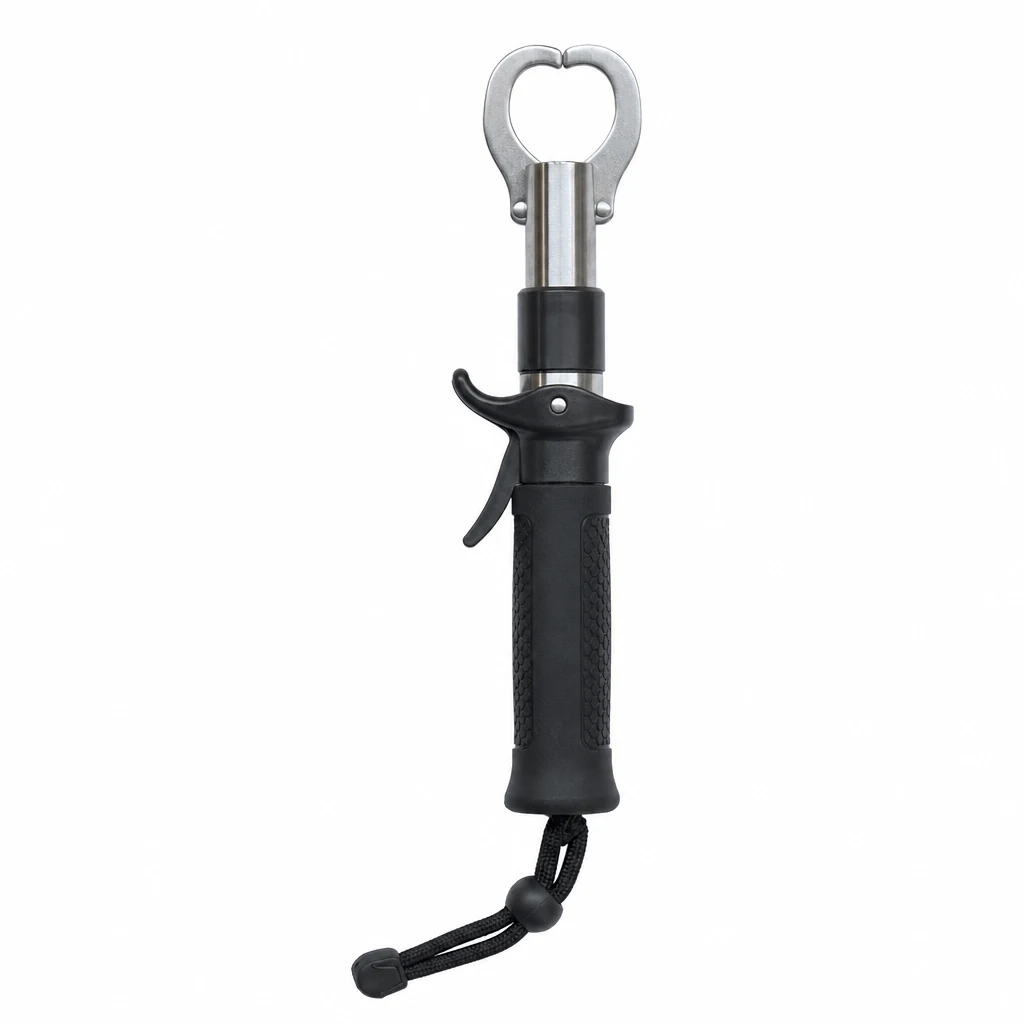
On the tools side, a good pair of fishing pliers handles hook removal, split ring work, and crimping — get a pair with a sheath so you’re not rummaging every time. Line cutters or braid scissors are faster and cleaner than teeth or a knife for trimming knots. A landing net saves fish you’d otherwise lose at the boat and is a lot kinder on the fish if you’re releasing them.
- Cooler with ice (food, drinks, catch)
- Folding chair or bucket seat (bank fishing)
- Landing net (rubber mesh recommended for catch-and-release)
- Fishing pliers with sheath
- Line cutter or braid scissors
- Hook file or hook sharpener
- Forceps for deep hook removal
- Scale and measuring tape (if you plan to document fish)
- Headlamp (for early launches or late finishes)
- Bug spray
- Dry bag or zip-lock bags for phone, wallet, keys
- Fishing license (physical copy or app — confirm regulations for your state)
Final Thoughts: Keep It Printed, Keep It Simple
The best checklist is one you actually use. Print this out, tape it inside your tackle bag, and run through it the night before — not the morning of, when you’re rushing and half-awake. You don’t need to own every item on every list right away. Build your kit over time, starting with the safety and core fishing gear, then filling in the comfort items as you go. The point isn’t to haul a mountain of stuff to the water — it’s to show up ready so you can focus on what actually matters: finding fish. Tight lines.