Disclosure: BestFishingReviews.com is a participant in the Amazon Services LLC Associates Program. If you buy through our links, we may earn a commission at no extra cost to you.
Walk into any tackle shop and you’ll find walls of lures screaming for your wallet. Most of them will catch fish sometimes. A handful will catch fish consistently. The difference usually comes down to matching the right lure to the right species in the right conditions — and that’s exactly what this guide is built around. We dug into four of the most popular freshwater targets in the US — bass, trout, walleye, and pike — and picked three lures for each that have proven themselves across seasons, water clarity levels, and retrieve styles. Whether you’re throwing soft plastics into lily pads, running spinners through cold mountain streams, or trolling stained reservoirs in October, there’s something here for you. No filler, no paid placements — just twelve lures worth putting in your box.
See current price & availability on AmazonCheck on Amazon →How We Picked
We evaluated lures based on four factors: species-specific effectiveness documented by tournament results and guide reports, versatility across water conditions (clear, stained, and murky), availability of retrieve styles that beginners and experienced anglers can both execute, and a deliberate mix of lure types — soft plastics, hard baits, and spoons or spinners — so no tackle box ends up one-dimensional. Price and durability factored in too. A lure that falls apart after two fish isn’t worth your time.
1. Yamamoto Senko (Bass)
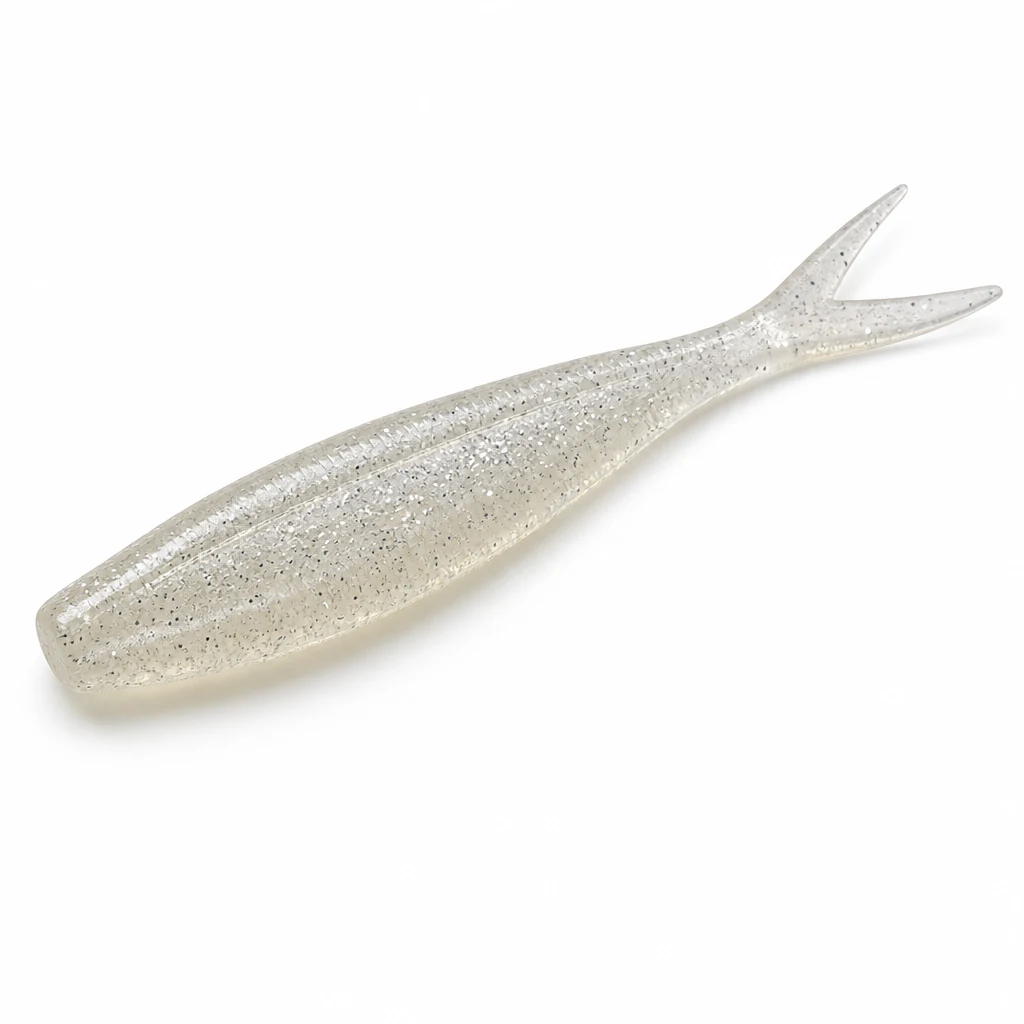
If there’s one soft plastic that every bass angler eventually finds their way to, it’s the Senko. Gary Yamamoto’s deceptively simple stick bait has been fooling largemouth and smallmouth since the 1990s, and it still does. The magic is in the fall — Texas-rigged and weightless, a Senko shimmies and quivers on the way down in a way that bass simply can’t ignore. It works in clear water, stained water, and everywhere in between. Best approach is a dead-stick presentation: cast near structure, let it sink on slack line, and don’t do much else. That restraint is what kills anglers at first. When the line twitches sideways, set the hook. Works especially well in the 5-inch size in green pumpkin or watermelon red around docks, laydowns, and grass edges.
Best for: Largemouth and smallmouth bass in calm, clear to lightly stained water around structure.
- Pro: Deadly on the fall with zero action required
- Pro: Works Texas, wacky, or Neko-rigged
- Con: Tears up quickly, especially wacky-rigged without an O-ring
2. Rapala Shad Rap (Bass)
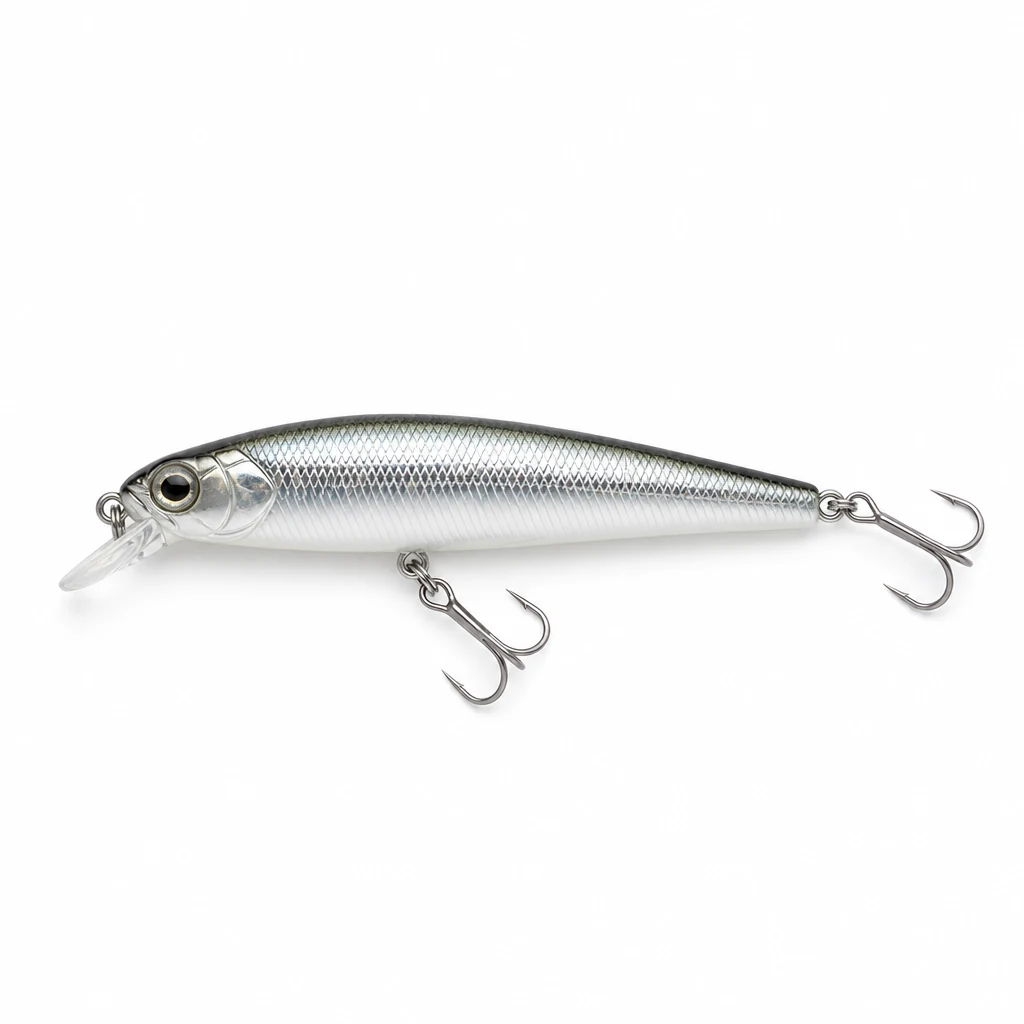
The Shad Rap is one of the most versatile crankbaits ever made, and bass anglers who sleep on it are leaving fish in the water. This balsa-bodied crankbait has an incredibly tight, high-frequency wobble that triggers reaction strikes even when bass are sluggish. It shines in cool to cold water — fall and early spring are prime — when bass are relating to baitfish near points, rock piles, and channel edges. Cast it out, crank it down to the desired depth, and vary your retrieve with occasional pauses. The bait suspends on the pause, which is often when the strike comes. The #7 and #8 sizes cover most bass-fishing situations. Fire tiger and shad patterns in stained water, natural shad or chrome in clear conditions.
Best for: Bass in cool, clear to moderately stained water around baitfish-holding structure.
Shop Rapala Shad Rap on Amazon
- Pro: Suspends on pause — deadly in cold water
- Pro: Works for bass, walleye, and trout (seriously versatile)
- Con: Balsa construction means it can get banged up on rocks
3. Strike King Rage Tail Craw (Bass)
When bass are buried in heavy cover — thick grass, laydowns, rocky ledges — you need something that looks like a crayfish and moves like it’s alive. The Rage Tail Craw does both. Those flat, paddle-style claws flutter and pulse on the fall and during a slow drag across the bottom, triggering the kind of defensive strike that big bass throw. Rig it on a 3/8 to 1/2 oz football head for deep structure, or punch it through thick mats on a heavy tungsten weight. Green pumpkin, black and blue, and June bug are the go-to colors. Retrieve is simple: cast, let it hit bottom, drag it slowly with occasional hops. The claws do the selling for you.
Best for: Largemouth bass in heavy cover and on deep rocky structure, especially in murky water.
Shop Strike King Rage Tail Craw on Amazon
- Pro: Realistic claw action with minimal retrieve effort
- Pro: Excellent in murky water where big bass hide
- Con: Not ideal in sparse cover or open water situations
4. Panther Martin Spinner (Trout)
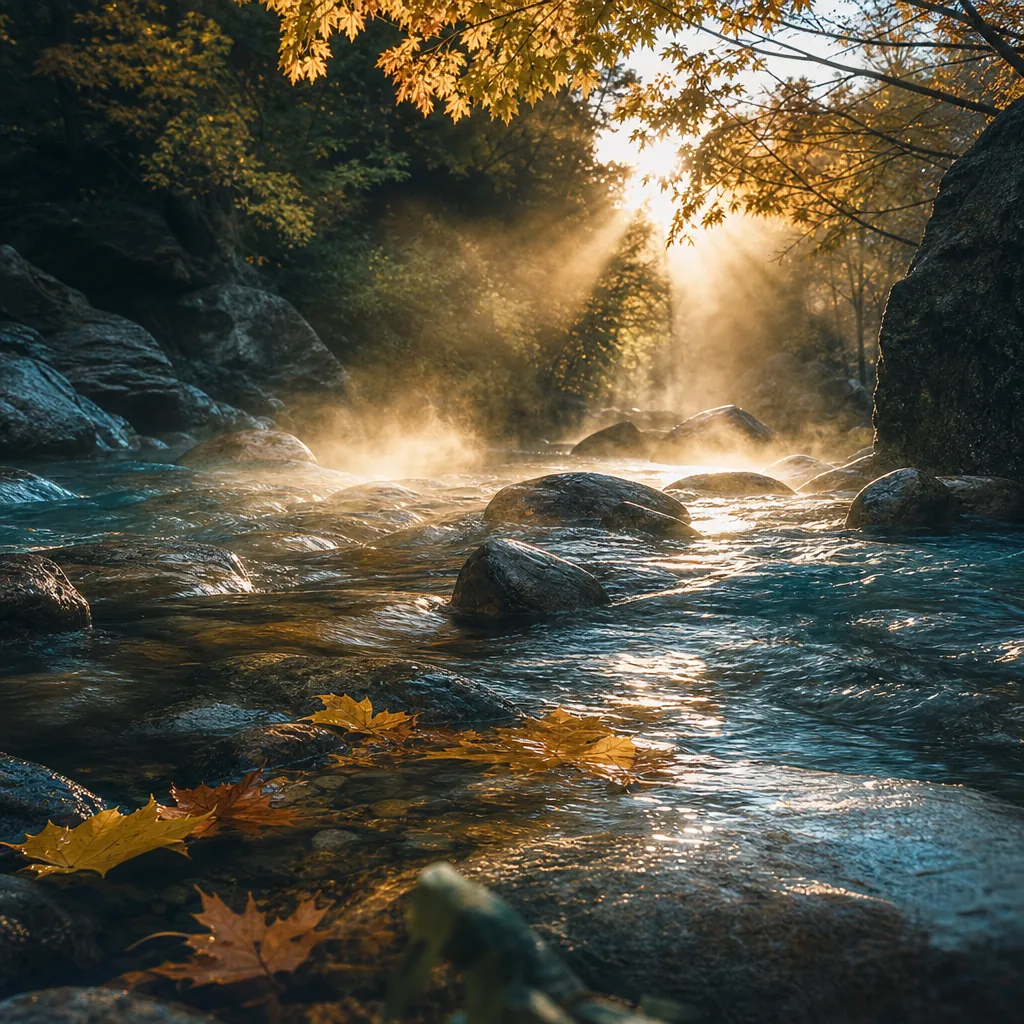
Ask any trout guide what’s in their “never leave home without it” pocket, and a Panther Martin spinner is a common answer. The in-line blade design spins at extremely slow retrieve speeds, which is exactly what you need in cold mountain streams where trout are lethargic. The blade rotates directly on the shaft — no clevis — which means it starts spinning the instant it hits water. Cast it upstream, let it swing in the current, and retrieve just fast enough to keep the blade turning. Gold blade with a yellow body in off-color water, silver blade with a black body in clear conditions. In rivers, work it through seams, behind boulders, and at the head of pools. Deadly on brook trout and browns alike.
Best for: Stream and river trout — especially brookies and brown trout — in cold, moving water.
Shop Panther Martin Spinners on Amazon
- Pro: Spins at near-zero retrieve speed — great in cold water
- Pro: Incredibly simple to fish for new anglers
- Con: Tends to line-twist without a quality swivel
5. Kastmaster Spoon (Trout)
The Acme Kastmaster is one of those lures that’s been around forever because it flat-out works. For trout — especially rainbow and lake trout — this thick, weighted spoon is a go-to when fish are deeper or when you need to cover water fast. Its aerodynamic shape casts a mile, even in wind, which makes it useful from shore on big reservoirs and tailwaters. Let it sink to depth, then retrieve with a steady crank broken up by short rod-tip twitches. The wobble and flash mimic a struggling baitfish. Silver and gold are the classics; chrome works exceptionally well in bright sun on clear alpine lakes. Also worth having in your trout kit for ice fishing — just jig it vertically.
Best for: Rainbow and lake trout in open water, reservoirs, and tailwaters; also excellent for ice fishing.
Shop Acme Kastmaster on Amazon
- Pro: Exceptional casting distance — covers water efficiently
- Pro: Works year-round including ice fishing
- Con: Can snag on the bottom if you let it sit too long
6. Berkley PowerBait Trout Worm (Trout)
Yes, PowerBait is soft plastic, and yes, it absolutely belongs in a serious trout list. The Trout Worm specifically — not the dough bait — is a finesse option for pressured fish in clear water that have seen every spinner and spoon in the box. Rig it on a light drop-shot or split-shot setup, size 10 to 14 hooks, and drift it through pools and slow runs. The scent dispersion is constant and powerful, which gives hesitant trout extra confidence. Pink, chartreuse, and white are reliable; natural colors (brown, red) shine in ultra-clear conditions. This is a great tool when fish are visible but won’t commit to anything flashy — slow it down, put it right in front of their face, and let the scent close the deal.
Best for: Pressured stocked and wild trout in clear pools and slow-moving water.
Shop Berkley PowerBait Trout Worm on Amazon
- Pro: Scent-loaded formula gives trout extra incentive in clear water
- Pro: Deadly on finicky, pressured fish
- Con: Less effective in fast, turbulent water where fish have little reaction time
7. Northland Tackle Puppet Minnow (Walleye)
Walleye are moody and light-sensitive, which means your lure presentation has to be precise and natural-looking. The Northland Puppet Minnow nails both. It’s a blade bait — compact, heavy for its size, and loaded with vibration. Drop it straight down to bottom, lift the rod tip sharply, and let it flutter back down on a semi-slack line. That flutter and flash on the drop is what kills walleye. It’s purpose-built for vertical jigging over structure — rock humps, channel edges, bridge pilings — especially in cold water when walleye are sluggish. Silver shiner and firetiger are money colors. This is a weapon for November through early spring, when most lures become ineffective and walleye stack up on deep structure.
Best for: Walleye in cold, deep water over hard bottom structure; vertical jigging from a boat.
Shop Northland Puppet Minnow on Amazon
- Pro: Lethal vertical jig in cold-water conditions
- Pro: Dense and compact — gets down fast in deep water
- Con: Technique-dependent; takes some practice to master the lift-and-flutter cadence
8. Berkley Flicker Shad (Walleye)
Trolling crankbaits for walleye is one of the most consistently productive methods on big lakes, and the Berkley Flicker Shad is one of the best tools for the job. Its tight, aggressive wobble and built-in rattle produce vibration and sound that walleye home in on, even in stained water. The key advantage over many competing crankbaits is depth precision — each size is engineered to run at a specific depth range, so you can dial in exactly where the fish are suspended without a lot of guesswork. Run it on a long lead behind a bottom bouncer or lead core line at 1.5 to 2.5 mph. Perch, shad, and clown are reliable color choices. Works great as a cast-and-retrieve option along weed edges at dusk too.
Best for: Walleye trolling on large lakes and reservoirs, or casting weed edges during low-light periods.
Shop Berkley Flicker Shad on Amazon
- Pro: Depth-specific design removes guesswork from trolling
- Pro: Rattle and vibration effective in stained water
- Con: Treble hooks can foul in heavy weed growth
9. Lindy Rig with Nightcrawler (Walleye)
Technically the Lindy Rig itself is terminal tackle — a slip sinker, bead, and hook — but paired with a live or artificial nightcrawler, it’s the most effective walleye presentation ever devised and it would be dishonest not to include it. The slip sinker lets the walleye pick up the crawler and run without feeling resistance, which is critical for these light-biting fish. Drag it slowly along gravel flats, sand points, and rocky transitions at 0.5 to 1 mph. Let the rod load before setting the hook. For a fully artificial alternative that mimics the same profile, Berkley Gulp! Nightcrawlers absorb water and release scent like the real thing. This rig is the bread-and-butter of Midwest walleye fishing for good reason.
Best for: Walleye on flat, hard-bottom structure in lakes and slow rivers, especially mid-summer.
- Pro: Most natural presentation possible — hard for walleye to refuse
- Pro: Covers large areas of bottom efficiently when slow-trolled
- Con: Requires patience — not a fast-action lure technique
10. Johnson Silver Minnow Spoon (Pike)
Northern pike are ambush predators that live in thick vegetation, which means you need a weedless presentation that can push through the slop and still trigger a strike. The Johnson Silver Minnow — a single-hook spoon with a weed guard — is exactly that. It’s been the go-to pike spoon for decades for a simple reason: it works. Cast it into pockets in lily pad mats, alongside reed beds, and over shallow weed flats, then retrieve it steadily with the rod tip up so the bait swims just beneath the surface. Pike blow up on it from below. Add a white or chartreuse skirt to bulk up the profile and add color in murky water. Copper and gold work well in stained conditions; silver shines in clear lakes.
Best for: Northern pike in shallow, weedy water — one of the best weedless pike lures ever made.
Shop Johnson Silver Minnow on Amazon
- Pro: Weedless design fishes through the nastiest cover without snagging
- Pro: Classic surface-swimming action draws explosive topwater-style strikes
- Con: Single hook means you’ll miss a percentage of short-striking fish
11. Mepps Musky Killer Spinner (Pike)
Don’t let the “musky” name fool you — the Mepps Musky Killer is an outstanding pike lure and has been putting big northerns in the net for generations. The large, thumping Colorado blade pushes serious water and produces heavy vibration that pike can detect from a distance, even in turbid conditions. Cast it to weed edges, retrieve it steadily with a slight rod-tip pump every few cranks to alter the blade speed. Pike often follow and strike at the last second near the boat — keep a figure-eight motion ready. The bucktail dressing on the treble hook adds bulk and breathing action that imitates a wounded baitfish. Go with black and orange or chartreuse in dark water; white and silver in clear conditions.
Best for: Northern pike and large muskies in weedy lakes, especially in stained or murky water.
Shop Mepps Musky Killer on Amazon
- Pro: Massive blade vibration — pike find it in low visibility
- Pro: Bucktail adds lifelike action and bulk
- Con: Heavier than most lures — requires a medium-heavy rod to cast comfortably
12. Savage Gear 3D Dying Pike (Pike)
This one’s for the angler who wants to target truly trophy-class northern pike. The Savage Gear 3D Dying Pike is a large soft swimbait designed to imitate a small pike — one of the most irresistible meals for a big northern. The level of detail in the body, the realistic fin placement, and the slow-roll action combine for something that looks uncannily alive in the water. Rig it on a heavy jig head (1 to 2 oz) or use the pre-rigged version, and retrieve it with a slow, steady roll near the bottom or just above weed tops. Pauses are key — let it sink with a dying flutter. Works best in clear to moderately stained water where pike can see the full visual profile. Not cheap, but when you want a 20-pound-class pike, this is a serious tool.
Best for: Trophy northern pike in clear to moderately stained water; also effective for large muskies.
Shop Savage Gear 3D Swimbaits on Amazon
- Pro: Hyper-realistic profile triggers big fish that have seen everything
- Pro: Slow-roll and dying flutter action is deadly on suspended trophy pike
- Con: Premium price point; not ideal for snaggy, rocky water where you risk losing it
Quick Comparison Recap
- Bass – Yamamoto Senko: Soft plastic, weightless Texas or wacky rig, dead-stick fall retrieve, clear to stained water
- Bass – Rapala Shad Rap: Hard bait crankbait, steady retrieve with pauses, cool water, baitfish-holding structure
- Bass – Strike King Rage Tail Craw: Soft plastic, slow drag and hop on bottom, murky water, heavy cover and deep rock
- Trout – Panther Martin Spinner: In-line spinner, slow upstream swing, cold moving water, streams and rivers
- Trout – Acme Kastmaster: Spoon, steady retrieve with twitches, open water and reservoirs, also ice fishing
- Trout – Berkley PowerBait Trout Worm: Soft plastic, drift on split-shot rig, clear slow water, pressured fish
- Walleye – Northland Puppet Minnow: Blade bait, vertical lift-and-flutter jig, cold deep structure
- Walleye – Berkley Flicker Shad: Hard bait crankbait, trolling or weed-edge casting, stained to clear water
- Walleye – Lindy Rig/Berkley Gulp Crawler: Soft plastic/live rig, slow drag on bottom, flat hard structure mid-summer
- Pike – Johnson Silver Minnow: Weedless spoon, steady surface swim, shallow weedy water
- Pike – Mepps Musky Killer: Spinner, steady retrieve with rod pumps, murky weedy lakes
- Pike – Savage Gear 3D Dying Pike: Swimbait, slow roll with flutter pauses, clear water, trophy fish
Final Word
Twelve lures across four species sounds like a lot, but look at the list and you’ll notice none of them require special skills to fish reasonably well. Start with one lure per species, learn its water and its retrieve, and add from there. The anglers who catch fish consistently aren’t the ones with the most lures — they’re the ones who understand the handful they carry. Pick the species you’re chasing this season, grab the lure that fits your water, and go put it to work. That’s really all there is to it.