Disclosure: BestFishingReviews.com is a participant in the Amazon Services LLC Associates Program. If you buy through our links, we may earn a commission at no extra cost to you.
A single-day fishing trip is forgiving. Forget your lunch? Drive home. Wrong lures? Stop at the tackle shop. But a multi-day trip in the backcountry or at a remote lake three hours from the nearest town? Every gap in your planning becomes a real problem — a ruined fish dinner, a wasted license day, or worse, a vehicle that won’t start at the trailhead. The difference between a trip you’ll talk about for years and one you’d rather forget almost always comes down to preparation. This guide walks you through exactly how to plan a multi-day fishing trip right, from permits and licenses to what stays in the truck.
See current price & availability on AmazonCheck on Amazon →Step 1: Lock Down Your Licensing and Permits First
Nothing else on this list matters if you’re fishing illegally. Before you book lodging, buy ice, or spool new line, get your paperwork straight. This is the step most anglers either rush or assume is simpler than it is.
Every state has its own fishing license structure, and many waters layer additional requirements on top — trout stamps, salmon endorsements, two-pole permits, or special regulations for designated wild trout streams. If you’re crossing state lines to fish, you may need licenses for both states. Federal waters and tribal lands add another layer entirely.
For camping in national forests or on BLM land, check whether your intended site requires a campfire permit or a dispersed camping permit. High-traffic wilderness areas — think parts of the Sierra Nevada, Boundary Waters, or Adirondacks — often require advance reservation permits that sell out months ahead. Check Recreation.gov and your target state’s fish and wildlife agency website well before your trip date. Write down your license numbers and keep a photo of the physical license on your phone. Cell service won’t always be there, but a screenshot will be.
Step 2: Decide on Lodging vs. Camping — and Plan Around That Choice
This decision shapes everything else on your packing list, so make it early. Both approaches work well for multi-day fishing; they just require different logistics.
Cabin or Lodge
Fishing lodges and lakeside cabins give you a dry place to sleep, often a fish-cleaning station, and sometimes a guide or boat rental built in. You pack lighter — no tent, no sleeping pad, no cooking system — but you pay more and surrender some flexibility on location. If you’re targeting a specific body of water and want to maximize fishing time over camp chores, this is often the smarter call, especially for groups with mixed experience levels.
Camping
Camping gets you deeper into remote water and keeps costs down, but your gear list grows significantly. You’re managing food safety, shelter, cooking, and your fishing kit simultaneously. The upside is access — you can camp on a lakeshore or riverbank that no lodge can reach. If this is your route, plan for two-person or four-person tents rated for the season, a reliable cooking stove, and serious attention to food storage (bear canisters where required by law).
Whichever route you pick, book it as early as you lock in your permits. Prime spots during fishing season disappear fast.
Step 3: Plan Your Food and Water Situation
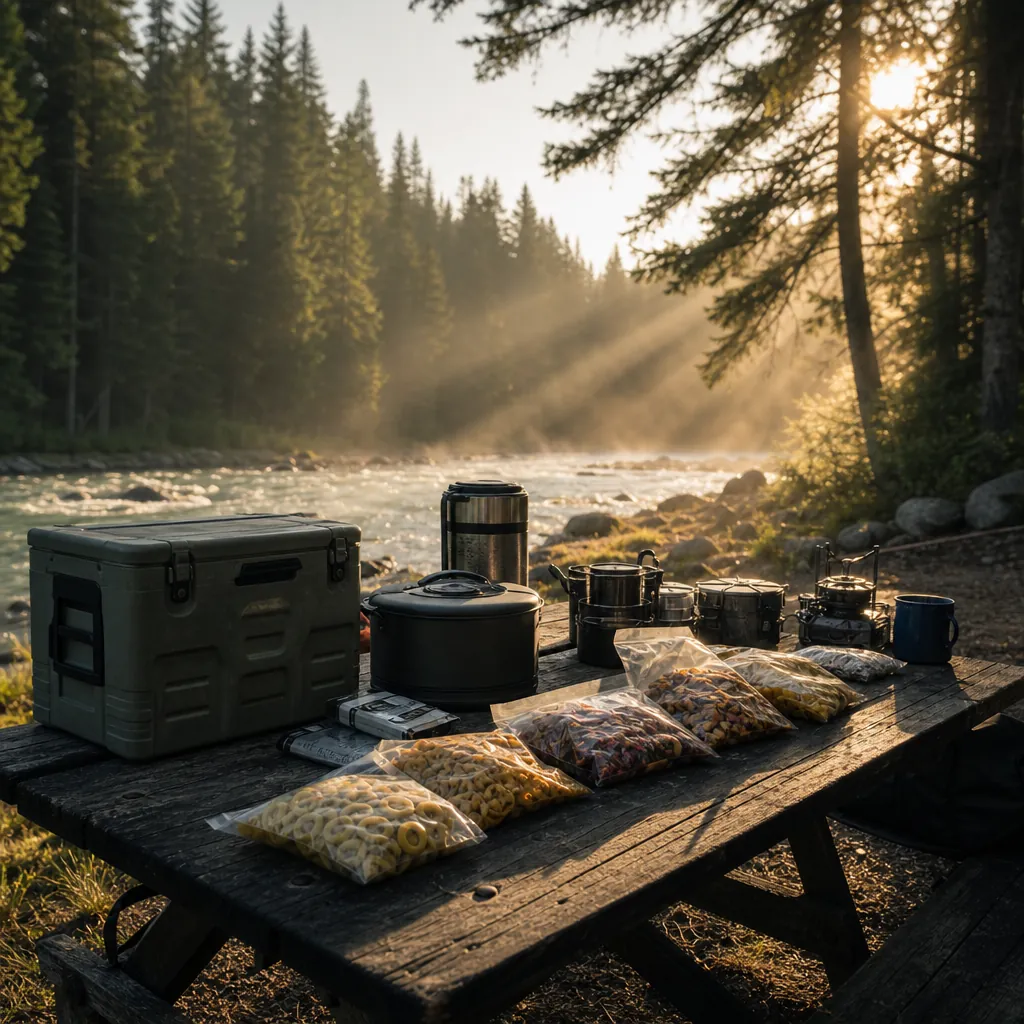
Eating well on a multi-day trip isn’t about gourmet cooking — it’s about calories, convenience, and keeping food safe in the field. This is where a lot of anglers get sloppy and pay for it with spoiled food or bonked energy levels on day two.
The Cooler Question
If you’re car camping or fishing from a boat, a quality hard-sided cooler is worth every penny. The cheap styrofoam boxes from the gas station will hold ice for about 24 hours. A rotomolded cooler will keep things cold for four to seven days with proper ice management — pre-chilling the cooler, using block ice over cubed, and keeping it in the shade. We like the YETI Tundra series for its proven ice retention and rugged build, but there are solid alternatives at lower price points if you shop around. Pack raw proteins at the bottom, dairy and drinks in the middle, and snacks on top where the warmth creeps in first.
Water
Dehydration kills your focus and your fishing. Carry more water than you think you need, and bring a backup filtration method — a pump filter or squeeze filter — for any backcountry situation. Don’t assume the lake you’re fishing is safe to drink from unfiltered. Giardia doesn’t care how clear the water looks.
Meal Strategy
For trips under four days, a cooler-based meal plan with pre-prepped proteins, eggs, and vegetables works fine. For longer trips or backpacking-style access, lean on freeze-dried meals supplemented by shelf-stable snacks. Build in more calories than you think you need — you’re burning more than you realize out on the water all day.
Step 4: Prep Your Vehicle Before You Leave Town
Remote fishing spots often mean rough roads — washboard gravel, steep grades, creek crossings, or soft shoulder pullouts. A mechanical problem two miles from the nearest paved road turns a great trip into a very expensive tow. Don’t skip this step just because your truck “seems fine.”
- Tires: Check pressure and tread on all four tires plus the spare. Carry a quality plug kit and a 12V inflator.
- Fluids: Oil, coolant, brake fluid, and washer fluid — top everything off before you go.
- Battery: If your battery is more than four years old and you haven’t tested it recently, get it load-tested at any auto parts store. It’s free and takes five minutes.
- Recovery gear: Tow strap, a shovel, and traction boards are worth the trunk space if you’re heading somewhere genuinely remote.
- Comms: Cell service will probably disappear. A satellite communicator (like a Garmin inReach) is worth serious consideration on solo or deep-backcountry trips.
Also confirm your trailer hitch and wiring harness if you’re towing a boat. Check the trailer lights and make sure your boat registration is current and physically in the boat.
Step 5: Build Your Fishing Gear List — Pack Smart, Not Heavy
Multi-day trips tempt anglers into overpacking. You haul a tackle bag the size of a toddler and end up using the same three lures the whole time. Here’s how to think about it more cleanly.
What to Bring
- Two rods minimum: One rigged and one as backup. If your primary rod breaks on day one, you’re not done fishing — you just switch sticks.
- Species-specific terminal tackle: Research the water before you go. Bring what works there, not your entire collection from home. Ask the local fly shop or bait shop for a quick intel call — most are happy to help.
- Extra line and leaders: Fluorocarbon line for leader material is light, packs small, and covers a lot of situations. Bring more than you think you’ll use.
- A reliable net: Especially for catch-and-release water — it speeds up the process and reduces fish stress.
- Basic tool kit: Hook removers, split ring pliers, nail clippers, forceps. All small, all critical.
What to Leave Home
- The tackle you haven’t touched in two years
- Duplicate rod-and-reel combos beyond your two-rod minimum (unless you’re targeting multiple very different species)
- Heavy bait buckets if the regulations or the species don’t call for live bait
Protecting Your Gear: Use a Dry Bag
If you’re fishing from a canoe, kayak, or any open boat — or if there’s any chance of rain — a quality dry bag is non-negotiable. Electronics, spare clothing, your fishing license paperwork, and a change of socks can all go in there. A roll-top dry bag in the 20-30 liter range handles most anglers’ day-kit needs without being bulky. Get one that floats. Stuff that sinks in a capsize situation creates a bad day on top of a bad day.
Common Mistakes on Multi-Day Fishing Trips
- Skipping the local intel: Fishing reports from the week before matter more than anything you read online six months ago. Call the local bait shop. Look up the state’s fish and wildlife stocking reports. Five minutes of research can completely change your approach.
- Leaving first-aid and safety gear at home: A basic outdoor first-aid kit and a whistle weigh almost nothing and could be the most important items in your pack.
- Not having a trip float plan: Someone at home should know where you’re going, what road you’re taking, and when to expect you back. If you don’t check in by a certain time, they need to know who to call. This is basic stuff, but people skip it.
- Overestimating fishing time: Camp chores, cooking, rigging, and travel between spots eat hours. Plan for fewer total fishing hours per day than you think — usually four to six productive hours is realistic, not eight.
- Not checking regulations for the specific water: Slot limits, barbless-only requirements, special bait restrictions — these vary by specific lake or river reach, not just by state. Read the regs for your exact destination, not just the general statewide rules.
Wrapping It Up
Multi-day fishing trips are some of the best experiences this sport has to offer — long mornings on the water, camp coffee at sunrise, a cooler full of fish you earned. But they reward the angler who did the homework. Get your licensing and permits sorted first, make a firm decision on lodging versus camping, think carefully about food and water, prep your rig, and pack your gear with discipline. The details aren’t glamorous, but they’re what separates the trips people brag about from the ones that turned into a logistics disaster. Do the prep work, then go enjoy the fishing.


