Disclosure: BestFishingReviews.com earns a commission on qualifying purchases made through affiliate links in this article, at no extra cost to you.
Fishing is never one-size-fits-all, and the single biggest variable most anglers underestimate isn’t rod action or lure color — it’s timing. Show up when the fish are locked down in cold, post-spawn recovery or buried in summer thermoclines, and you’ll grind all day for nothing. Show up during a feeding window that lines up with spawning migrations, stable weather, and the right water temperatures, and even average gear with average technique can produce legendary days. This calendar-style guide breaks down the prime months for seven major North American species, explains why fish behave the way they do in each season, pairs the right techniques to each period, and helps you plan your vacation schedule around peak action rather than just available days off. Think of it as the cheat sheet you wish someone had handed you when you first started fishing seriously.
See current price & availability on AmazonCheck on Amazon →Understanding Seasonal Fish Behavior: The Science Behind the Calendar
Fish are cold-blooded, which means water temperature is essentially their thermostat, their alarm clock, and their meal timer all rolled into one. When water temps climb in spring, metabolisms spike, baitfish move shallow, and predators follow. When temps crash in late fall, everything slows — digestion takes longer, fish need fewer calories, and they tend to stack up in predictable deep-water areas. Photoperiod (day length) triggers spawn cycles almost as powerfully as temperature. Barometric pressure swings affect feeding activity on a day-to-day level. Understanding these mechanics isn’t just academic — it tells you where to look, how fast to fish, and what presentation to use.
There’s also a regional caveat you need to internalize: these calendars are built around the upper Midwest and Northeast as a baseline. If you’re fishing the Deep South, shift everything four to six weeks earlier in spring and later in fall. Pacific Northwest salmon runs follow their own distinct schedule. Use the temperature triggers, not just the month names, as your real guide.
Bass (Largemouth and Smallmouth): March Through November
Bass are arguably the most studied freshwater fish in America, and their seasonal patterns are well-documented. Pre-spawn (March–April, water 48–58°F) is when big females move from deep wintering areas toward spawning flats. This is prime time for slow-rolled swimbaits and jigs dragged along transition banks. The fish are aggressive but not yet on beds. Spawn (April–May, 58–68°F) puts fish in two to six feet of water on hard bottom — bedding bass are visible and catchable but many anglers choose to leave them alone during this vulnerable period, which is a personal call worth making. Post-spawn (May–June) is a frustrating lull; males guard fry while females recover and feed sporadically.
Summer (June–August) splits the population. Early morning and late evening topwater action on shallow flats can be electric, but midday fish push deep to find cooler, oxygenated water. Work main-lake points, submerged humps, and ledges in ten to twenty-five feet with drop shots and deep-diving crankbaits. Fall (September–November) is many experienced anglers’ favorite season — bass chase shad aggressively in the backs of coves and along windy banks, and medium-running crankbaits covering water fast will connect. Water temps dropping through the 50s in late fall slow things back down, but big fish can still be caught on slow-moving jigs and finesse rigs right through the first hard freeze.
Trout (Rainbow, Brown, Brook): Year-Round With Strategic Peaks
Trout fishing is almost a year-round proposition in most of the country because trout thrive in water temperatures that other species find uncomfortable. Spring (March–May) is the marquee season on most streams — runoff settles, aquatic insect hatches begin (midges, blue-winged olives, caddis), and trout feed actively near the surface. Dry fly fishing doesn’t get better than a May afternoon on a tailwater when the Hendricksons are popping. Summer (June–August) pushes trout deep in lakes and into shaded, spring-fed sections of streams during midday. Early mornings and evenings remain productive; nighttime brown trout fishing with large streamers is a cult pursuit for a reason.
Fall (September–November) triggers spawning runs for brown trout and brook trout, which become both aggressive and visible in shallow gravel. This is a period requiring ethical care — avoid wading on redds. Rainbow trout often feed heavily in fall without spawning, making them the guilt-free fall target. Winter (December–February) is for the dedicated: tailwaters below dams stay fishable and midges produce fish even in sub-freezing air temps. A quality fly fishing rod and reel combo and a box of size 20–24 midges will take trout when almost nobody else is on the water.
Walleye: Ice-Out to Ice-Up, With Two Clear Sweet Spots
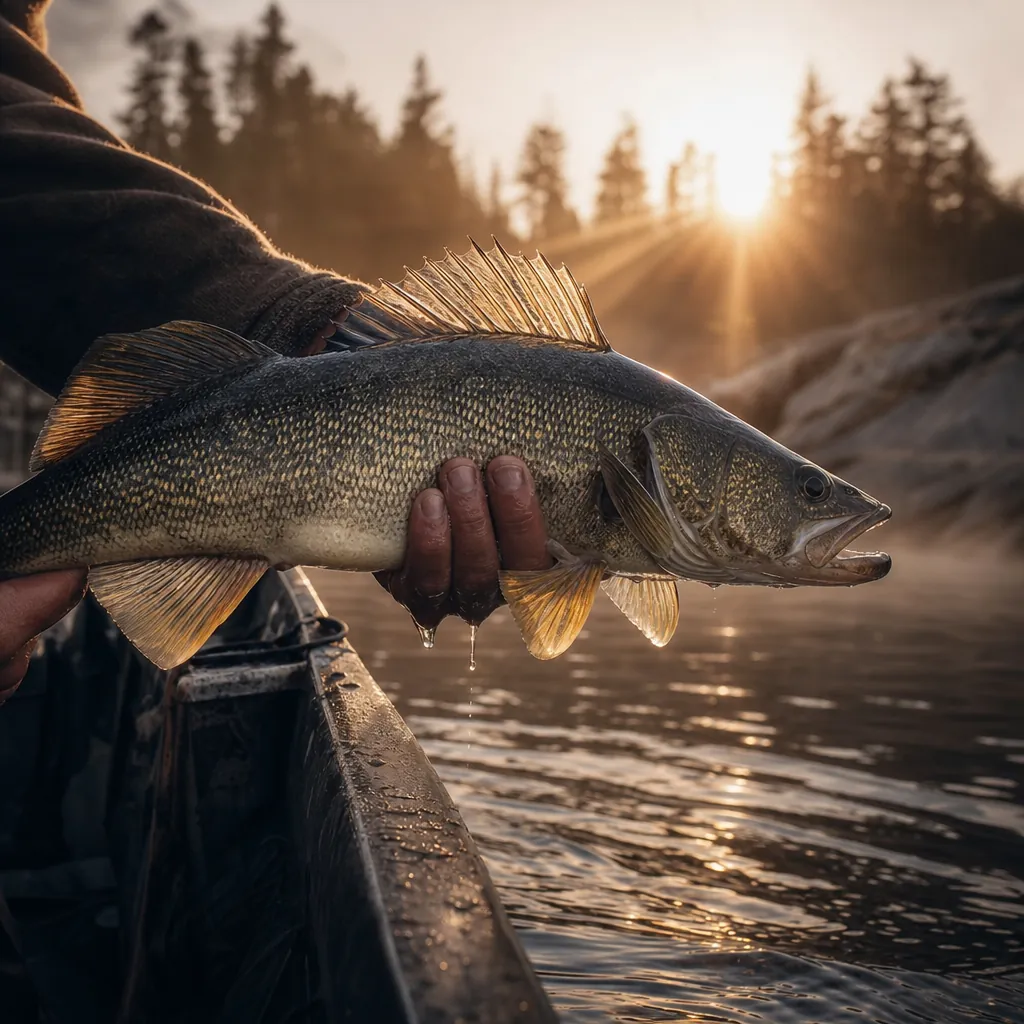
Walleye have two periods that border on can’t-miss: the spring spawn run and the late-fall/early-winter pre-ice period. Spring (March–May) is when walleye migrate to rocky shoals and river tributaries to spawn as soon as ice clears and water hits the upper 30s to mid-40s. Current-adjacent structure in rivers draws massive concentrations of fish. Jig-and-minnow combinations are the workhorses here. After the spawn, fish scatter briefly then regroup on main-lake points as water warms. Summer pushes walleye deep and nocturnal — these fish famously have light-sensitive eyes and feed most aggressively at dawn, dusk, and after dark. Slow-trolling crankbaits along depth contours in fifteen to thirty feet covers water efficiently. Fall (October–November) is the second peak: cooling water and gorging baitfish before winter lock walleye into aggressive feeding modes on windswept main-lake points and rocky humps. This is when trophy fish are caught most consistently.
Northern Pike: Cold Water Kings — Early Spring and Late Fall
Pike are a cold-water species that go soft in summer heat, so your best fishing brackets the warm months rather than centering on them. Early spring (March–April), often while ice is still melting in the back bays, pike spawn in shallow, weedy, warm-water areas and are both aggressive and concentrated. Big spinnerbaits and large soft plastics worked through emerging weed growth produce fast action. Late spring through early summer (May–June) remains excellent as fish move from spawning areas to adjacent weed edges and ambush points. Summer (July–August) sees pike retreat to deeper, cooler water; they’re catchable but sluggish, and you’ll find them suspended near submerged vegetation edges in eight to fifteen feet. Slow down your presentation significantly.
Fall (September–November) is many dedicated pike anglers’ favorite window. Cooling water triggers genuine aggression, fish bulk up before winter, and the weed beds thin out making presentations easier. Large pike swimbaits and glide baits shine here. Ice fishing (December–February) in the right states keeps pike accessible through hard water — tip-ups with large sucker minnows produce some of the biggest pike of the year during mid-winter. Trophy hunters specifically target January and February on northern lakes for this reason.
Panfish (Bluegill, Crappie, Perch): The People’s Fish — Nearly Year-Round
Panfish are forgiving targets that offer action in every season, which is exactly why they’re the gateway species for most anglers and the reliable backup plan for veterans. Spring (April–June) is the absolute peak, specifically the bluegill and crappie spawns. Bluegill bed in two to four feet over sandy or gravelly bottom when water hits 68–75°F, and you can see and catch them nearly at will on small jigs or live crickets. Crappie spawn a bit earlier (60–68°F) and stack around dock pilings, submerged brush, and flooded timber. Summer produces consistent action early and late in the day around dock shade and deeper weed edges; midday fish move down to eight to fifteen feet. Light ultralight spinning rods with 4-pound fluorocarbon make this fishing feel like sport even on small fish. Fall and winter keep crappie and perch especially active — both species school tightly and suspend at predictable depths, making them ice-fishing favorites. Find one fish on the sonar and you’ve found fifty.
Catfish, Salmon, and Planning Your Fishing Vacation
Catfish: Summer Is Their Season
Channel catfish, blue catfish, and flatheads are warm-water species that peak when other fishing gets hard. Late spring through early fall (May–September) is prime time, with the spawn occurring in June and July when water exceeds 70°F. Post-spawn fish are hungry and aggressive. Flatheads — the giants — are strictly nocturnal ambush predators and are best targeted from dusk to midnight during summer using large live bream or sunfish. Channel cats are far more accessible and respond well to cut bait, stink bait, and chicken liver on bottom rigs. Big river systems like the Mississippi, Missouri, and Ohio produce year-round catfishing, but summer is when numbers and average size peak most reliably across the country.
Salmon: Timing Runs, Not Seasons
Pacific salmon (Chinook, Coho, Sockeye) and Atlantic salmon operate on run schedules that vary dramatically by river and region. Great Lakes Chinook peak in August–October as fish stage offshore then push into tributaries. Pacific Northwest rivers see runs from July through November depending on watershed. The key rule: call the local bait shop or check state fish and wildlife run-timing reports before booking. A heavy-action salmon rod and quality line are non-negotiables when these fish are in — a fresh Chinook in river current will test everything in your tackle bag.
How to Plan a Fishing Vacation Around Peak Action
The smartest vacation planning starts with a target species, then works backward. Pick your fish, identify the two to three week window of peak activity using the calendars above, then research destinations that align. Don’t book a lake house for the second week of July expecting great bass fishing and then complain it’s slow — that’s a high-pressure, post-spawn, midsummer grind. Book the same lake for mid-October and you’ll wonder why you ever fished anywhere else in summer. Cross-reference your dates with local fishing reports (most state DNR websites publish weekly updates), check moon phase calendars (full and new moons often correlate with stronger feeding activity), and always build in a weather buffer day — fronts will ruin your best-planned outing at least once per trip.
- Bass vacation sweet spot: Pre-spawn (late March–April) and fall turnover (October)
- Trout vacation sweet spot: Spring hatch season (May–early June) or tailwater winter trips (January–February)
- Walleye vacation sweet spot: Post-ice-out spawn run (late March–April) or late October before freeze
- Pike vacation sweet spot: Early April ice-out and late September–October
- Panfish vacation sweet spot: Spawn windows in May–June or late-ice crappie in February–March
- Catfish vacation sweet spot: July–August on major river systems
- Salmon vacation sweet spot: Check local run reports; Great Lakes August–October is broadly reliable
For multi-species trips, target transitional seasons — late spring and early fall — when bass, walleye, and pike are all active simultaneously and panfish are an easy bonus. A good all-around medium spinning reel handles most of these species without switching setups constantly.
Final Thoughts: Fish the Calendar, Not Just the Calendar Date
The best fishing advice you’ll ever get is also the simplest: pay attention to water temperature and fish accordingly. A late cold snap can push the bass spawn back three weeks; an early warm spring can move walleye runs ahead of schedule. The calendar months in this guide are a starting framework, not a contract. Keep a fishing journal — even a basic one tracking species, date, water temp, weather, and technique — and within two or three seasons you’ll have personalized, location-specific data that beats any generic calendar on the internet. The fish don’t know what month it is. They know what the water feels like. When you start thinking the same way, your catch rates will follow.