Disclosure: BestFishingReviews.com earns a commission from qualifying purchases made through affiliate links in this article, at no extra cost to you.
Walk into any big-box sporting goods store and you’ll find an entire wall of fishing tackle that could swallow your wallet whole in about ten minutes. Bladed jigs, UV-reactive scent lures, titanium snap swivels, fourteen styles of bobber — it’s a lot. And most of it? You don’t need it yet. The truth is that fish were being caught long before any of that stuff existed, and a beginner angler with a simple, well-chosen tackle box will out-fish someone with a cluttered one every single time. This guide cuts through the noise and tells you exactly what to buy first, what to add once you’ve got your feet wet, and what to ignore until you’ve got a real reason to want it.
See current price & availability on AmazonCheck on Amazon →The Core Foundation: Your First Tackle Box
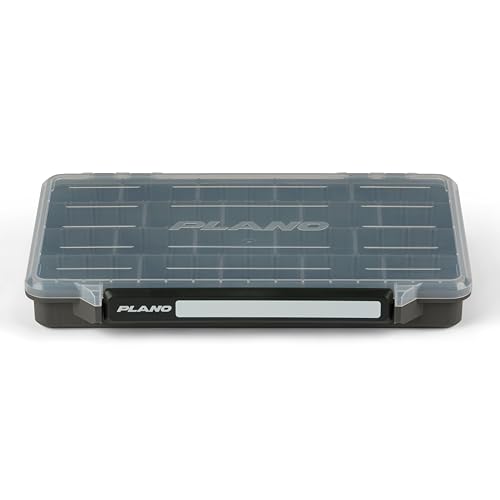
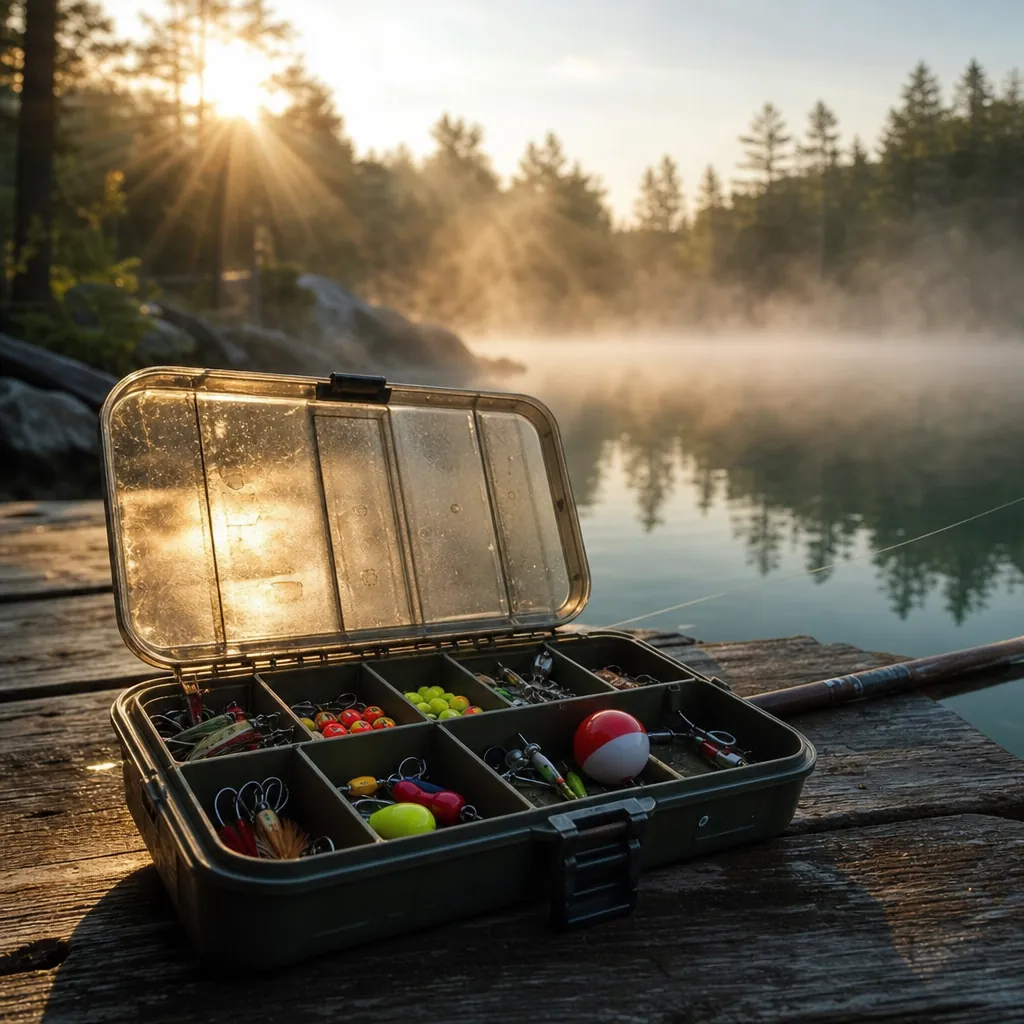
Your first tackle box doesn’t need to be big, and it doesn’t need to be expensive. What it needs to be is complete for the basics. Think of it as a toolkit: you want the right wrench for the right bolt, not forty wrenches you’ll never touch. Here’s what actually belongs in there from day one.
Hooks
Hooks are the one piece of tackle that actually catches fish. Everything else is just getting the hook in front of them. Start with a simple assortment of Aberdeen-style hooks in sizes 6, 4, 2, and 1/0. Aberdeen hooks are thin-wire, light enough not to kill a live minnow or nightcrawler, and strong enough for most freshwater species you’ll encounter early on. Don’t overthink the brand. A 50-pack of decent hooks for under $10 is exactly right. Avoid circle hooks until you understand catch-and-release fish physiology, and skip the treble hooks until you’re throwing hardware lures that come pre-rigged with them.
Weights (Split Shot and Egg Sinkers)
You need weight to get your bait down and to cast with any kind of control. Two types cover nearly every beginner scenario. Split shot sinkers — the small, pinchable round ones — clip onto your line anywhere you need them and are completely adjustable. Egg sinkers slide on your line and are used for bottom rigs where you want a fish to run with the bait without feeling resistance. A small split shot assortment and a handful of 1/4 oz and 1/2 oz egg sinkers handle about 90% of what you’ll encounter in your first season. That’s it. Skip the bell sinkers, bank sinkers, and anything else until you know why you’d need them.
Bobbers
A round red-and-white clip bobber is genuinely one of the most effective fishing tools ever made. It suspends your bait at a set depth, it shows you a strike visually, and it costs about fifty cents. Grab three or four in two sizes — a smaller one for panfish and a bigger one when you’re using heavier bait or fishing in light current. That’s your bobber collection. Done. Spring-loaded slip bobbers are a modest upgrade and worth knowing about, but they can wait.
Swivels
A barrel swivel lets you connect two sections of line — say, a heavier main line to a lighter leader — and prevents line twist when you’re retrieving. You don’t need many. A small pack of size 10 and size 7 barrel swivels covers most situations. Avoid the combo snap-swivels for now; they’re convenient but teach you to be lazy about rigging, and they add a weak point. Plain barrel swivels, tied with a good improved clinch knot, are all you need.
Line
Your rod and reel probably came with line, and that line is probably fine for now. But once you need to respool, start with 8 lb or 10 lb monofilament. Mono is forgiving, stretchy (which actually helps beginners avoid break-offs on hard hooksets), easy to tie, and cheap. It’s also easy to see, which helps when you’re still learning how to watch your line for bites. Fluorocarbon and braid are both excellent lines with real advantages — but those advantages matter more when you’re chasing specific fish in specific conditions, not when you’re learning to cast and set a hook.
A Few Basic Lures
Lures let you cover water and target fish actively, without needing live bait. For your first box, three styles do the heavy lifting. A 1/8 oz rooster tail spinner in gold or silver catches bass, trout, and panfish almost everywhere in the country. A white or chartreuse curly-tail grub on a 1/8 oz jig head is one of the most versatile rigs in freshwater fishing. And a small floating minnow crankbait — something like a Rapala Original Floater in size 5 or 7 — rounds out the selection with a search bait you can walk along the surface. Three lures. Resist the wall of $14 specialty baits for now.
Phase 2: Upgrades Worth Adding After Your First Season
Once you’ve put in a season with the basics — once you know the difference between a bluegill bite and a catfish nudge, and you’ve started to understand the water you fish — there are some genuine upgrades that will actually improve your results. These aren’t gimmicks. They’re tools that reward experience.
- Fluorocarbon leader material: Clear, nearly invisible underwater, and stiffer than mono so it resists abrasion. Use it as a short leader off your main line when fish are being spooky in clear water. It makes a real difference in those conditions.
- Ned rig gear: A finesse mushroom jig head paired with a soft plastic stick bait is one of the deadliest bass setups ever developed. It’s also ridiculously simple. Add this once you’re comfortable with basic jigging.
- Drop shot weights: Once you’ve fished bottom rigs and understand depth presentation, a drop shot rig takes it to the next level — especially for suspended bass or perch over deeper structure.
- Weedless hooks: If you’re fishing around lily pads, timber, or heavy grass, a weedless wide-gap hook with a soft plastic worm will open up water that was unfishable with a standard hook. This is a technique upgrade as much as a gear upgrade.
- A small tackle binder: Soft plastic baits are cheap, effective, and easy to store in a resealable bag inside a binder-style tacklebook. Far more portable than a big plastic box, and easier to organize once your selection grows.
What Actually Matters When Choosing Tackle
There’s a short list of principles that separates smart tackle buying from impulse buying, and they’re worth burning into your brain early.
Match the tackle to the fish, not to the packaging. Hook size, weight size, and lure size should all be chosen based on the species you’re targeting and the size of bait those fish eat naturally. A bass isn’t going to eat a size 14 trout hook and a crappie isn’t going to inhale a 3/4 oz jig meant for walleye. Fish what makes sense.
Presentation beats quantity. One lure fished correctly — at the right depth, at the right speed, with the right action — catches more fish than a tackle box full of random stuff fished sloppily. Before you buy more tackle, ask whether you’re fishing what you have effectively.
Durability matters more than price. Cheap hooks that bend or rust after one trip, cheap line that breaks under load — these cost you fish and eventually cost you more money. Mid-range quality on the basics is the right call. Save money by buying multi-packs, not by buying junk.
Local knowledge beats any review, including this one. Walk into a local bait shop and ask what the fish are eating right now in the water you plan to fish. That five-minute conversation is worth more than an hour of online research. The guys behind that counter fish that water. Listen to them.
Common Mistakes Beginners Make with Tackle
These are the patterns that waste money and slow down your development as an angler. Avoid them and you’ll move through the learning curve a lot faster.
- Buying specialty lures before mastering the basics. That $18 swimbait that catches giant bass on YouTube is not a beginner bait. It requires specific technique, specific gear, and specific conditions to work. Buy it later.
- Ignoring knots. Your tackle is only as strong as the knot connecting it to your line. Learn the improved clinch knot and the Palomar knot, practice them until you can tie them in the dark, and you’ll lose fewer fish and less tackle.
- Overloading the tackle box. More is not better. A box stuffed with stuff you don’t know how to use creates decision paralysis on the water and leads to wasted time re-rigging instead of fishing.
- Buying line that’s too heavy. Heavier isn’t always stronger in practice, and it definitely hurts your casting distance and lure action. Match your line weight to your rod’s rating and to the fish you’re chasing.
- Skipping hook sharpening. Hooks dull faster than you’d think, especially after hitting rocks or being stored loose. A small hook file or hook sharpener is a $5 tool that pays for itself on the first fish you don’t lose through a dull point.
Advanced Extras: What Can Genuinely Wait
There’s a whole category of tackle that’s real, legitimate, and used by experienced anglers — but that will do nothing for you until you’ve built a foundation. Consider these items on the back burner until you actively need them.
- Braided line: Braid is phenomenal for certain techniques — punching through heavy cover, deep jigging, frogging. But it requires different knots, different rod action understanding, and experience reading strikes differently. It’ll frustrate a beginner more than it’ll help.
- Scent attractants: Some experienced anglers swear by them; others think it’s mostly placebo. Either way, you need to eliminate other variables first before scent becomes a meaningful factor to test.
- Specialty rigs (Carolina rig, Alabama rig, Tokyo rig): These are real bass-fishing weapons. They’re also technique-specific and situational. Learn to fish a jig and a Texas rig first. Everything else builds from there.
- High-end terminal tackle: There are beautifully machined, ultra-premium snap swivels and split rings made from exotic alloys. They’re genuinely good. You don’t need them until you’re fishing for species that will test the limits of standard hardware.
- UV and glow baits: These work in specific low-light or deep-water conditions. If you’re fishing those conditions regularly, they’re worth exploring. If you’re not, they’re a shelf decoration.
Our Tackle Recommendations for Getting Started
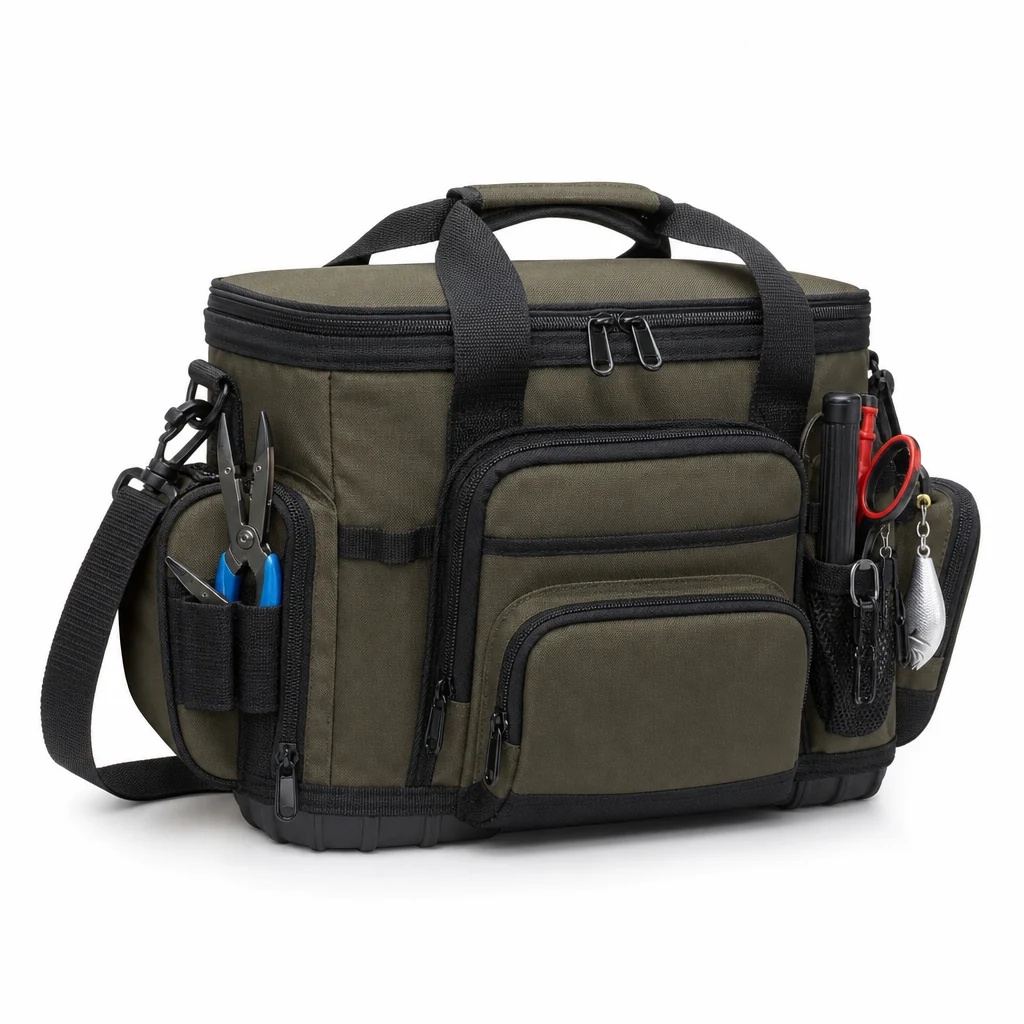
If you want to start right and skip the clutter, here’s the short version. Pick up a basic terminal tackle assortment kit that includes hooks, split shot, swivels, and snap links — most run $10–$20 and cover the fundamentals in one shot. Add a spool of 8 lb mono, two or three of the lure styles mentioned above, and a small two-tray tackle box to keep it organized. You’re looking at $40–$60 all in, and you’ll have everything you need to catch fish on most freshwater species across the country. That’s the whole starting budget. Don’t let anyone tell you otherwise.
The Bottom Line
The fishing tackle industry is very good at making you feel like you’re underequipped. You almost certainly aren’t. The fish don’t know what’s fashionable this season, and they’ve been eating the same things the same way for a very long time. Start simple, learn your water, master the basics, and add gear only when you hit a real limitation — not because something looked cool on a shelf. The angler who knows a few tools deeply will always out-fish the one who knows nothing about fifty of them. Build your box with intention, fish it with patience, and let the water teach you the rest.