Disclosure: BestFishingReviews.com is reader-supported. When you buy through links on our site, we may earn an affiliate commission at no extra cost to you.
Most beginners don’t struggle because fishing is hard — they struggle because nobody told them which technique to use, when, or why. You can have decent gear and still come home empty-handed if you’re trolling a shallow pond or still-fishing a fast-moving river. Technique is everything. The good news? There are really only six foundational approaches every freshwater and inshore angler needs to know. Master these and you’ll put fish in the cooler in almost any situation you find yourself in. This guide breaks down each one plainly: what it is, when to use it, what gear it likes, and the dumb mistakes that trip up new anglers every single time.
See current price & availability on AmazonCheck on Amazon →Still Fishing: The Starting Point for Every Angler
Still fishing is exactly what it sounds like — you cast out, let your bait sit, and wait for a fish to come to you. No movement, no retrieves, no fancy action. It’s the oldest technique in the book, and it’s still incredibly effective for a wide range of species including catfish, carp, bluegill, and perch. The key to still fishing isn’t patience alone; it’s picking the right spot. Fish aren’t distributed evenly across a body of water. You want to park your bait near structure — docks, fallen trees, weed edges, channel drop-offs — where fish naturally hold and feed.
For gear, a medium-power spinning rod paired with a beginner spinning reel is all you need. Spool it with 8–12 lb monofilament, add a bobber or slip sinker rig, and you’re fishing. Live bait — worms, crickets, minnows — will almost always outperform artificials in a still-fishing setup.
Rookie mistake: Casting into open, featureless water and waiting indefinitely. If you haven’t had a bite in 20 minutes, move. Fish are somewhere specific, not everywhere.
Drift Fishing: Let the Water Do the Work
Drift fishing means you’re allowing your bait or lure to move naturally with the current or wind rather than actively retrieving it. This is a go-to technique on rivers, streams, and windy open lakes. It’s deadly for trout, walleye, steelhead, and salmon because it presents your bait in the most natural way possible — like something the fish would actually encounter in its daily life. In rivers, you cast slightly upstream and let the bait tumble along the bottom through likely lies. On a lake, you can drift a worm harness or live minnow beneath a float while the wind pushes your boat across a flat.
The gear setup depends on depth and current, but a sensitive medium-light rod helps you feel subtle takes as the bait drifts. Use just enough weight to tick the bottom without dragging. Too much weight kills the natural presentation; too little and you’re floating over the fish’s head.
Rookie mistake: Using too much split shot. New anglers pile on weight to keep the bait down, then wonder why it doesn’t look natural. Start light and add weight incrementally.
Trolling: Covering Water to Find Active Fish
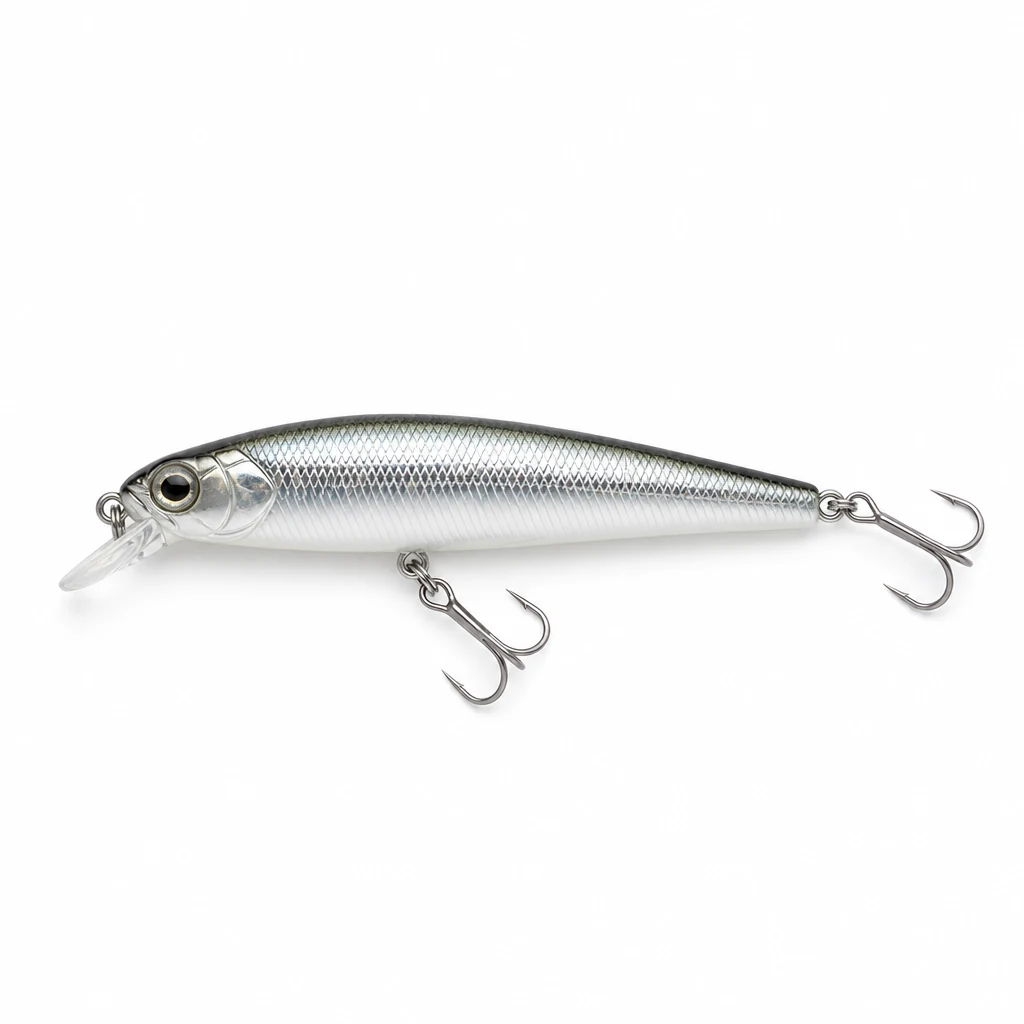
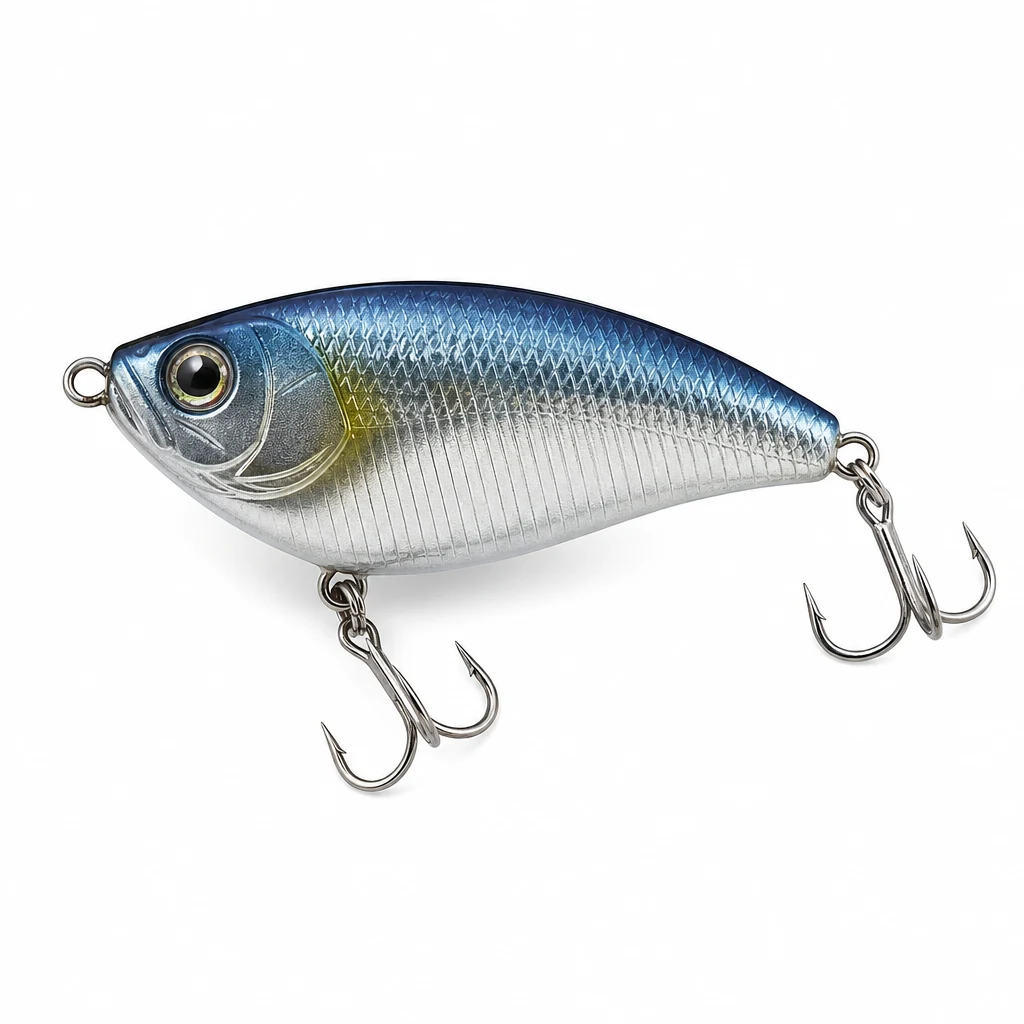
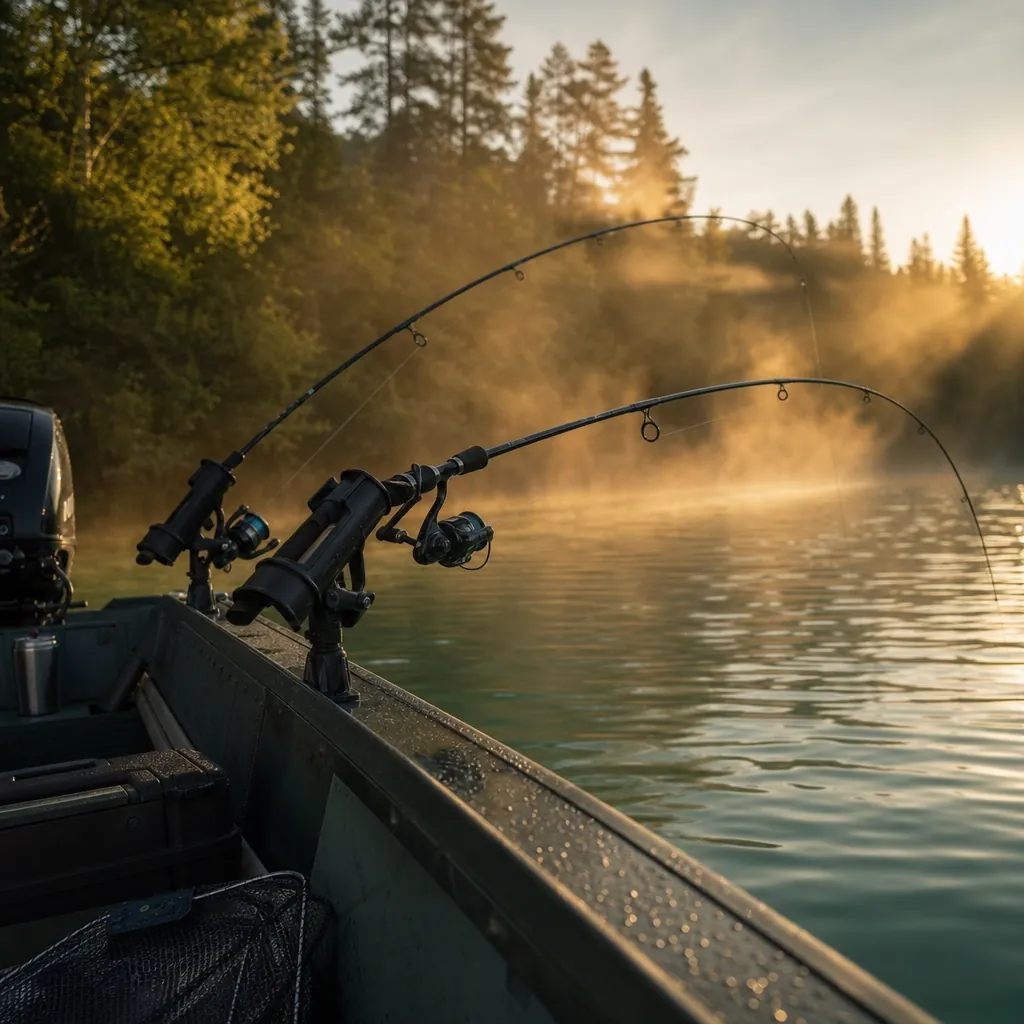
Trolling is the technique of dragging lures or baited rigs behind a moving boat. It’s a search method first and a catching method second — you’re covering large amounts of water until you locate fish, then you can slow down or circle back. It’s popular for open-water species like walleye, lake trout, striped bass, and salmon. You don’t need a big boat or fancy downriggers to troll effectively. A small aluminum boat with a trolling motor dragging a crankbait at 1.5–2.5 mph can be devastatingly effective on mid-sized lakes.
Rod selection matters more than people think for trolling. You want a rod with some built-in flex — a stiff rod won’t absorb head shakes and you’ll lose fish. Medium-heavy rods in the 7–8 foot range are a solid choice. Line counter reels help you reproduce the exact depth once you find the right zone. Pair your setup with quality monofilament trolling line — mono’s stretch acts as a shock absorber and is more forgiving than braid when fish hit hard behind the boat.
Rookie mistake: Trolling too fast. Most beginners go way too fast. Slow down until you think you’re going too slow, then slow down a little more. Let that lure work at the depth it’s designed for.
Casting and Retrieving: The Versatile Workhorse
This is the technique most people picture when they think of bass fishing or chasing pike — you cast a lure out and work it back with a deliberate retrieve. The beauty of casting and retrieving is how adaptable it is. Change the lure and the retrieve style and you’ve got a completely different presentation. A steady retrieve with a spinnerbait is nothing like a stop-and-go with a jerkbait, yet both fall under the same umbrella. This technique demands you read the water and fish. If a steady retrieve isn’t working, vary your speed, add pauses, twitch the rod tip — the fish will usually tell you what they want.
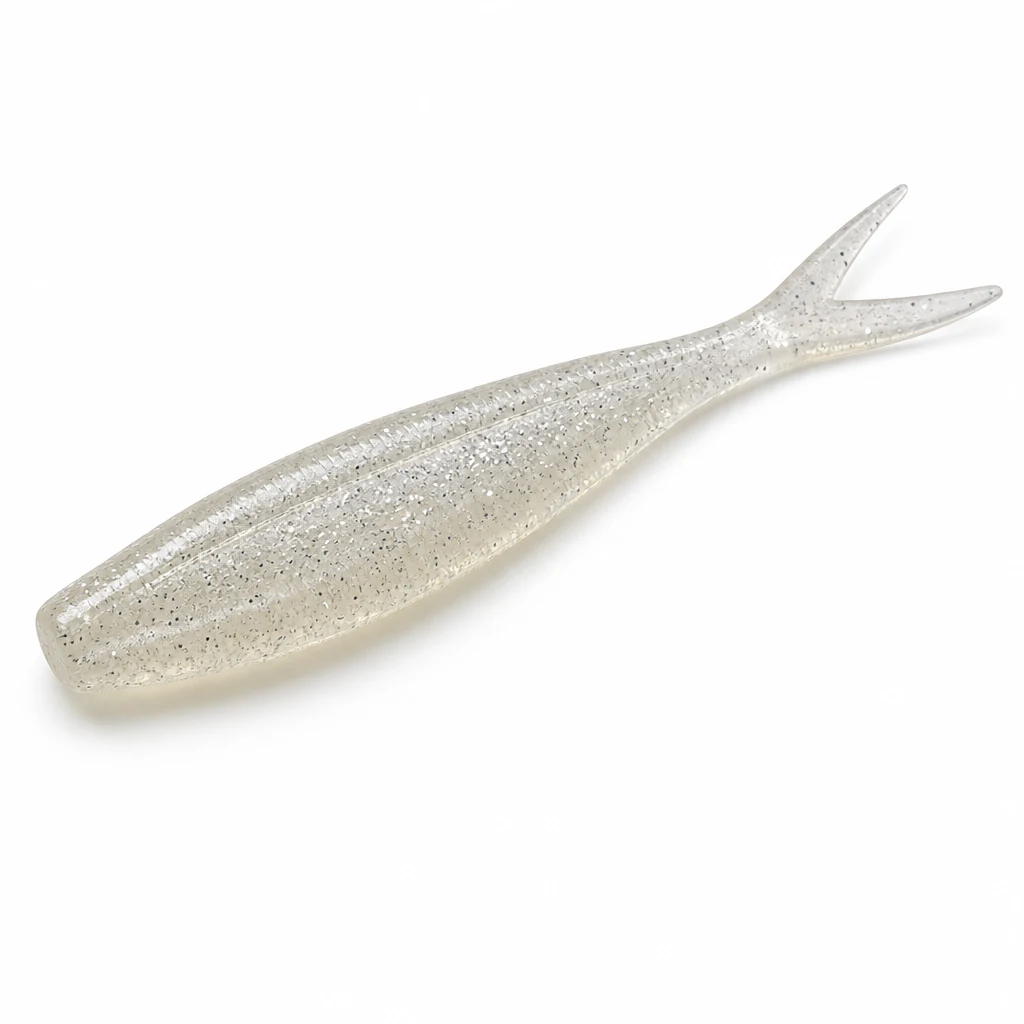
A 7-foot medium-power spinning or baitcasting setup covers most casting and retrieving scenarios. For lure selection, a handful of versatile options — crankbaits, soft plastic swimbaits, and inline spinners — will handle the majority of freshwater situations you’ll encounter. Line choice matters here too: fluorocarbon is a great all-around pick because it’s nearly invisible underwater and has good sensitivity.
Rookie mistake: Using the same retrieve speed cast after cast regardless of results. Mix it up. Fish are not always in an aggressive mood. Sometimes a slow, erratic presentation outfishes a fast one ten to one.
Jigging: The Most Versatile Technique You’ll Ever Learn
Jigging involves working a weighted lure — a jig — vertically or near-vertically through the water column using short, sharp rod movements to imitate a dying baitfish or fleeing crawfish. It’s effective from ice-covered lakes in January to offshore ledges in July. Bass, walleye, crappie, perch, and pike all fall for a well-presented jig. The jig head’s weight sinks it, but the action comes entirely from you — the lift, the pause, the flutter on the drop. Often the bite comes on the fall, so stay connected to your line and watch for any twitch, tick, or sudden slack.
For jigging, sensitivity is king. A fast-action rod transmits those subtle strikes to your hand. Pair it with braided line (15–30 lb) and a short fluorocarbon leader — braid has zero stretch so you feel every peck, and fluoro keeps the connection nearly invisible at the hook end. Jig weights typically range from 1/8 oz in shallow, calm water up to 1 oz or more when fishing deep or in heavy current.
Rookie mistake: Jigging too aggressively all the time. Big, violent hops look flashy but often spook fish or move the jig too far away from holding spots. Subtle, controlled hops with deliberate pauses usually out-fish the big slap-and-rip approach, especially in cold water.
Bottom Fishing: The Underrated Producer
Bottom fishing is a targeted technique where you’re presenting bait right on or just above the lake or river floor — specifically to species that live and feed down there. Catfish, carp, bullheads, drum, and even walleye in certain conditions are all candidates. It’s similar to still fishing but more intentional about depth. You’re not waiting for something to swim into your zone; you’re dropping into their zone. A basic Carolina rig or a simple egg sinker running down to a swivel and a short leader with a baited hook is one of the most effective setups in fishing, period.
Bait selection is critical for bottom fishing. Catfish anglers swear by cut bait, chicken liver, or stink baits. Carp guys use corn, dough balls, or boilies. For general bottom species, a plain nightcrawler on a size 2–4 hook is a reliable default that rarely fails. Use a medium-heavy rod with enough backbone to handle bigger fish that hug cover, and spool up with a quality fluorocarbon leader to reduce visibility near the hook.
Rookie mistake: Not re-baiting often enough. Bottom-feeding fish are scent-driven. A worm that’s been sitting for 45 minutes in 80-degree water has lost most of its scent appeal. Fresh bait every 20–30 minutes makes a real difference.
How to Choose the Right Technique for the Day
No single technique wins every day. The right choice depends on a handful of factors: water type (river vs. lake vs. reservoir), depth, season, target species, and fish activity level. Here’s a quick decision framework to work from:
- Fish are inactive or you’re targeting bottom-dwellers: Still fishing or bottom fishing. Give the fish time and use natural bait.
- You’re on a river or current is present: Drift fishing. Work with the water, not against it.
- You don’t know where the fish are on a big lake: Trolling. Cover water first, dial in later.
- You can see fish or you know they’re in specific cover: Casting and retrieving. Put the lure precisely where the fish are and trigger a reaction.
- Fish are holding deep, on vertical structure, or you’re ice fishing: Jigging. Control the depth and work the lure through the strike zone repeatedly.
- Targeting catfish, carp, drum, or any species rooting the bottom: Bottom fishing with fresh, scented bait on the right rig.
One more thing worth knowing: these techniques aren’t mutually exclusive. Experienced anglers often hybrid them — slow-trolling a jig along a bottom contour, for example, combines jigging and trolling into one incredibly effective approach. Start with the basics, get competent at each one, and eventually you’ll start blending them naturally.
If you’re just getting started and want a versatile rod-and-reel combo that handles most of these techniques without breaking the bank, look at a quality medium-power spinning combo in the 6’6″–7′ range. It won’t do everything perfectly but it’ll do everything well enough to learn on.
The Bottom Line
Six techniques, six different scenarios, and one simple truth: the angler who understands why they’re using a particular approach will always outfish the one who just guesses. You don’t need to master all six at once — pick two that match the water you fish most, get reps in, and let the fish teach you the rest. Once you’ve got still fishing and casting-and-retrieving dialed in, add jigging. Then drift fishing. The skills stack quickly, and before long you’ll walk up to any stretch of water and know exactly what to throw and how to fish it. That’s when this sport really gets fun.