Disclosure: BestFishingReviews.com earns a commission from qualifying purchases made through affiliate links in this article, at no extra cost to you.
Walk into any tackle shop in America and you’ll run into the same argument that’s been going on for decades: spinning reel or baitcaster? It sounds simple, but pick the wrong one and you’re either fighting a bird’s nest of tangled line on your first cast or leaving accuracy and power on the table when you need it most. The truth is, neither reel is universally better — they’re built for different jobs, different skill levels, and different fishing situations. This guide breaks it all down so you can make a clean decision and spend more time fishing and less time untangling.
See current price & availability on AmazonCheck on Amazon →Learning Curve: Where Most Anglers Get Tripped Up
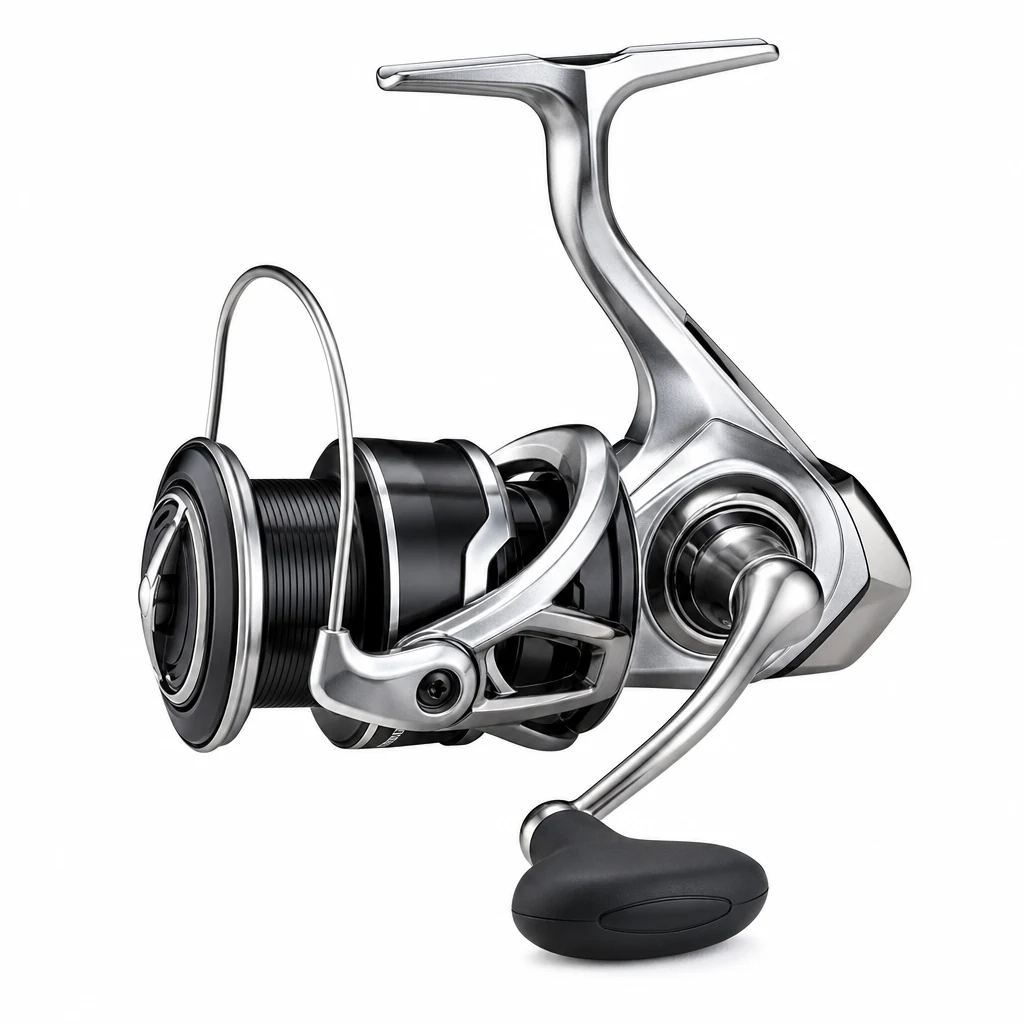
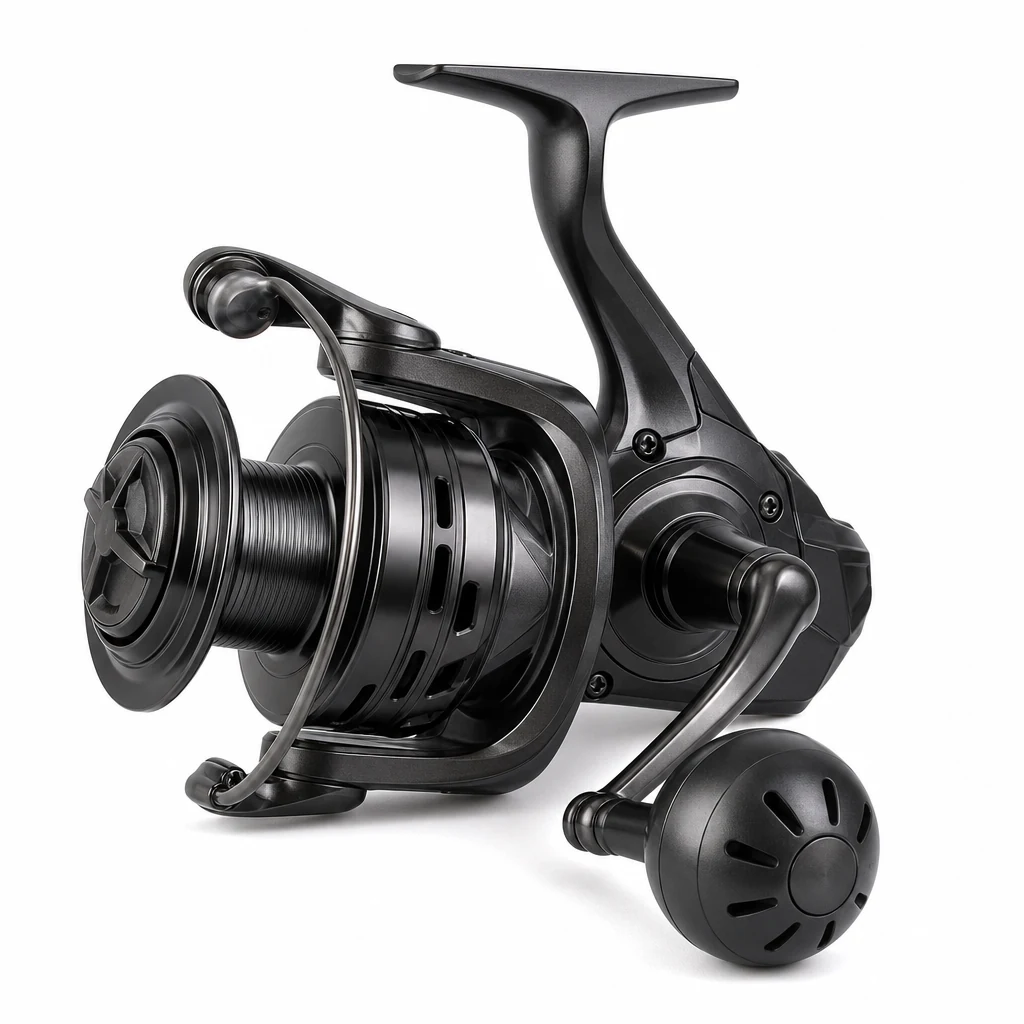
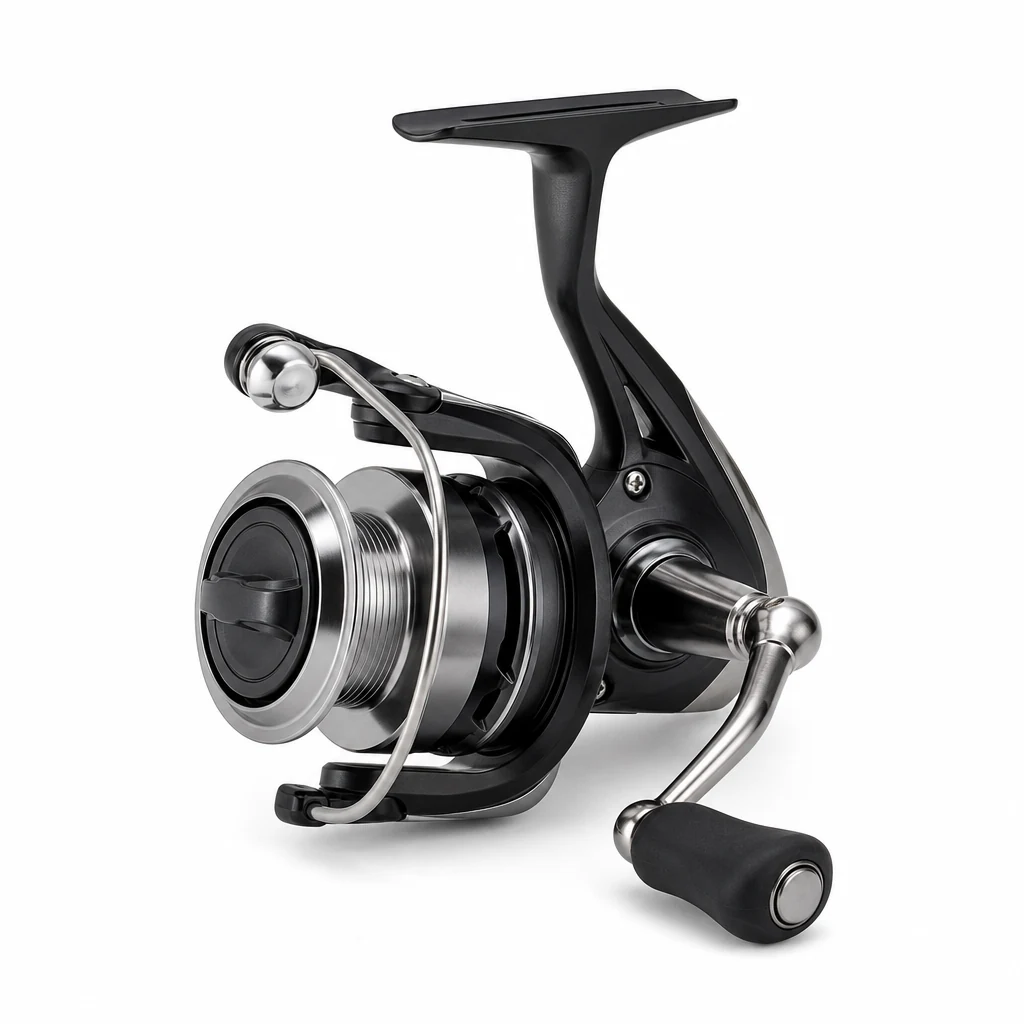
This is the big one. Spinning reels are widely considered the easiest fishing reel to pick up and use, full stop. You flip the bail open, hold the line with your index finger, swing the rod forward, and let go. That’s basically it. The design — with the spool fixed and the line peeling off the front — is naturally forgiving. Even if your timing is off, you’re usually going to get a fishable cast.
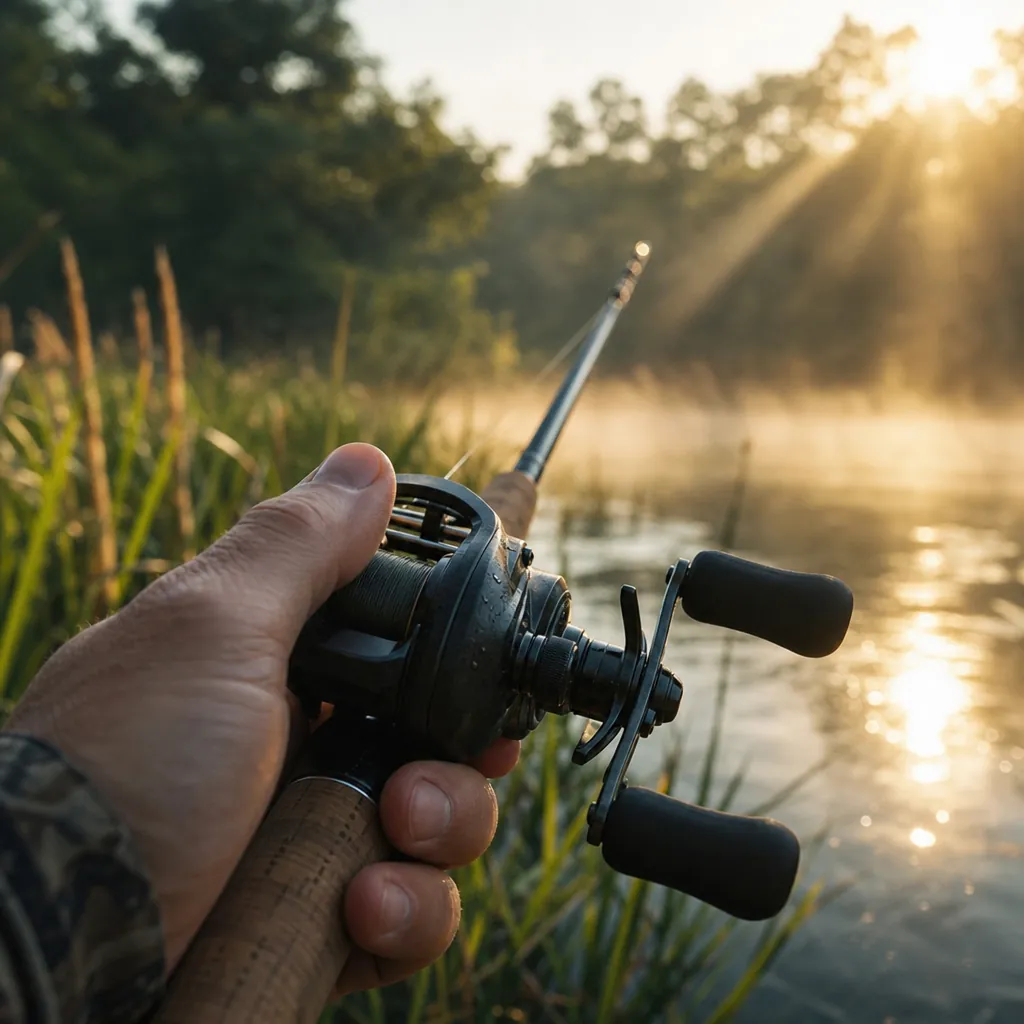
Baitcasting reels are a different story. The spool spins as line goes out, and if it spins faster than the lure is pulling line off, you get a backlash — that nasty tangle also called a “bird’s nest” or “professional overrun” (the last term being optimistic). New baitcaster users should budget a solid few hours of practice time in the yard before ever going to the water. Most experienced anglers will tell you they still pick out an occasional backlash even after years of use. The thumb is everything on a baitcaster — you’re feathering the spool the whole cast to control line speed.
Bottom line: If you’re new to fishing, or you’re buying a setup for a kid or a casual once-a-summer angler, a beginner spinning reel is the right call every single time. There’s no shame in it — plenty of elite anglers fish spinning gear their whole careers.
Accuracy: Casting Where You Actually Want to Cast
Once you’ve put in the time to learn a baitcaster, it wins the accuracy debate — and it’s not particularly close. The direct spool control lets experienced anglers place a lure within inches of a target: skipping a jig under a dock, dropping a flipping bait tight to a laydown, punching heavy cover. That tactile thumb-on-spool feedback is something spinning reels simply can’t replicate.
Spinning reels are still reasonably accurate, especially at moderate distances and with lightweight lures. They shine on finesse presentations — drop shots, shakey heads, small ned rigs — where you’re not necessarily bombing casts into tight windows but rather working subtle baits in open or semi-open water. For most freshwater fishing outside of serious bass tournament competition, a spinning reel’s accuracy is more than enough.
There’s also a technique called the “spinning reel flip” or simply underhand casting that experienced anglers use to place light lures with decent precision. But if pinpoint accuracy under pressure is your priority, the baitcaster is the tool for that job once you’ve got the skill to back it up.
Line Capacity and Line Types: Knowing What Each Reel Handles Best
Spinning reels are optimized for lighter line — typically 4 to 17 lb monofilament or fluorocarbon, and they handle braided line well too. The open-face spool design means thin, limp lines flow off cleanly. Where spinning reels start to struggle is with heavier monofilament and fluorocarbon above about 17-20 lb; those lines get stiff, develop memory, and create frustrating coils that kill your casting distance.
Baitcasters are built for heavier lines. Most bass anglers spool them with 12 to 20 lb fluorocarbon or 30 to 65 lb braid depending on the application. The closed spool design handles heavier, stiffer lines without the coil problems you’d see on a spinning reel. If you’re flipping heavy jigs into thick matted vegetation or throwing big swimbaits, a baitcaster loaded with heavy fluorocarbon line is where you want to be.
One caveat worth knowing: spinning reels loaded with braid are an incredibly versatile combination. Thin-diameter 10 or 15 lb braid on a spinning reel gives you light-lure castability with surprisingly strong line — a popular setup for walleye, crappie, and finesse bass fishing.
Lure Weight: Matching the Reel to What You’re Throwing
This is one of the most practical factors to understand when choosing between the two. Spinning reels dominate the light-lure category. If you’re throwing anything from 1/16 oz to about 3/8 oz — small jigs, finesse worms, live bait rigs, small crankbaits — a spinning reel will outcast a baitcaster with the same lure every time. Baitcasters need enough lure weight to load the spool and pull line off efficiently; go too light and you’ll fight constant backlashes.
From about 3/8 oz and up, baitcasters start to come into their own. Anything in the 1/2 oz to several-ounce range — big crankbaits, jigs, Texas-rigged plastics, swimbaits — is right in the baitcaster’s wheelhouse. There are now “low-profile” baitcasters with extra-light spool designs built for throwing lighter lures in the 1/4 oz range, but they’re specialty tools at premium prices and still require solid casting technique to use without frustration.
A practical rule of thumb most guides and tournament anglers use: if it weighs less than 3/8 oz, reach for the spinning rod. If it’s heavier than that and you want power and control, pick up the baitcaster.
Species and Use Cases: Real-World Fishing Scenarios
Let’s talk about where each reel actually lives in the real world of American fishing.
Where Spinning Reels Shine
- Trout fishing — rivers, streams, and lakes. Light lures, delicate presentations, and the need to cast small spinners and bait setups cleanly makes spinning the obvious choice.
- Walleye and crappie — finesse jigs, live rigs, and light plastics are the bread and butter here. A quality spinning reel for walleye is all most anglers ever need.
- Bass finesse fishing — drop shots, ned rigs, shakey heads, and small swimbaits. Many serious bass anglers keep dedicated spinning combos just for these techniques.
- Surf fishing and pier fishing — larger spinning reels handle the long casts and heavier sinkers that coastal fishing demands, and they’re easy to use in saltwater conditions with proper maintenance.
- Inshore saltwater (redfish, speckled trout, flounder) — medium spinning setups are the workhorse for most inshore guides along the Gulf and Atlantic coasts.
Where Baitcasters Earn Their Keep
- Bass fishing with power techniques — flipping jigs, punching heavy mats, throwing big swimbaits, working large crankbaits. This is the native habitat of the baitcaster.
- Pike and muskie — big lures, heavy line, and the need to work baits close to structure. Baitcasters built for larger freshwater predators are the right tool.
- Offshore and heavy inshore saltwater — round baitcasters (conventional reels) dominate offshore trolling and bottom fishing for larger species.
- Tournament bass fishing — at virtually every professional bass event, competitors run multiple baitcasting combos dialed in for specific presentations. The speed, power, and accuracy at that level make baitcasters standard equipment.
Price: What You Can Expect to Spend
Both reel types span a wide price range, but there are some meaningful differences in where the value tiers sit.
You can buy a very fishable spinning reel for $30 to $60. Brands like Shimano, Daiwa, and Penn all make entry-level spinning reels in that range that will hold up for a season or two of regular use. Step up to $80–$150 and you’re into solid mid-range territory that most recreational anglers will never outgrow. Quality spinning reels top out at several hundred dollars for tournament-grade or saltwater-focused gear.
Baitcasters are generally harder to get right at the budget end. A $30 baitcaster is usually a miserable experience — poor braking systems, rough bearings, and cheap drags compound the already-steep learning curve. The sweet spot for a first baitcaster is typically $80–$130. In that range, you’ll find reels with decent magnetic braking systems that actually help prevent backlashes while you’re learning. Brands like Abu Garcia, Shimano, and Daiwa all have strong offerings there. If you’re looking at entry-level baitcasting reels for bass fishing, don’t go below $70 — you’ll just get frustrated and quit.
One practical approach many anglers use: start with a quality spinning combo, build confidence and catch fish, then add a baitcaster as a second rod once you’re ready to expand your technique arsenal. You don’t have to choose one forever — most serious anglers own both.
Common Mistakes When Choosing Between Spinning and Baitcasting
- Buying a baitcaster too soon. The most common mistake. New anglers buy a baitcaster because they see pros using them, spend the first three trips pulling out bird’s nests, and lose confidence. Earn it — start on spinning gear.
- Buying the cheapest baitcaster available. A $25 baitcaster from a discount bin is not a baitcaster — it’s a frustration device. Budget appropriately or wait until you can.
- Using a baitcaster for finesse fishing. Trying to throw a 1/8 oz drop shot weight on a baitcaster is like trying to eat soup with a fork. Use the right tool for the application.
- Ignoring line choice on a spinning reel. Heavy monofilament or fluorocarbon on a spinning reel creates coils and cuts casting distance significantly. Match light-to-medium line weights to the reel or use thin-diameter braid.
- Skipping the practice session on a baitcaster. Before you ever take a new baitcaster to the water, spend 20–30 minutes casting in the yard. Adjust the spool tension and brakes until you can make clean casts before fishing with it.
- Assuming more expensive always means better for your situation. A $40 spinning reel is a better choice for a 7-year-old learning to fish than a $200 baitcaster. Match the gear to the angler, not the price tag.
The Bottom Line: Which One Should You Actually Buy?
Here’s the straightforward answer: if you’re newer to fishing, getting someone else into fishing, or want a versatile setup that handles the widest range of situations without a steep learning curve, buy a spinning reel combo. You’ll catch fish the first day out, not the first day after you finally figure out how to stop backlashing.
If you’ve been fishing on spinning gear for a season or two and you’re chasing bass seriously — throwing jigs, working heavy cover, or wanting that next level of casting precision — it’s time to add a baitcaster to the rotation. Put in the practice time, buy something in the $80–$130 range with a quality braking system, and commit to the learning curve. Once it clicks, you’ll understand why bass anglers swear by them. Both reels have a permanent place in a well-rounded angler’s truck. The only wrong move is picking one that doesn’t fit where you actually are as an angler right now.