Disclosure: BestFishingReviews.com is reader-supported. When you buy through links on our site, we may earn an affiliate commission at no extra cost to you.
Bass fishing has a way of swallowing your garage. You start with one rod and a handful of soft plastics, and eighteen months later you’ve got four different rigs, three rod-and-reel combos, and a tackle box that weighs as much as a small dog. Most of that accumulation is unnecessary — but some of it genuinely matters. The difference between those two categories is what this guide is about. Whether you’re rigging up your first bass outfit or trying to build a logical five-technique arsenal without wasting money, this breakdown covers the exact gear — rods, reels, line, hooks, weights, and hardware — for the five techniques that catch bass everywhere in the country, all season long. Bookmark it, refer back to it, and stop guessing at the tackle shop.
See current price & availability on AmazonCheck on Amazon →What to Look for in a Bass Rod
Rod selection is where most beginners go wrong, usually by picking something too soft, too stiff, or just “medium” everything and wondering why they’re missing hooksets. Bass rods are defined by two specs that actually matter: power (light through heavy) and action (where the rod bends — tip, mid, or all the way down to the handle). Those two variables do different jobs for different techniques, and matching them correctly is more important than brand name or price.
For bass fishing specifically, you’ll be spending most of your life in medium, medium-heavy, and heavy power rods with fast or extra-fast actions. Fast action means the rod bends in the top third — that gives you sensitivity to feel bites and enough backbone to drive a hook into a hard bony mouth. Slower actions load up more of the blank and help you cast lighter lures without snapping them off, which is why crankbait and spinnerbait rods tend to run moderate action. Rod length for bass generally falls between 6’10” and 7’6″. Longer rods throw farther and move more line on a hookset; shorter rods offer more control around cover. A 7’0″ to 7’3″ medium-heavy fast rod is the single most versatile bass rod you can own, and if you’re buying one rod to do it all, start there. Look at options in the medium-heavy bass rod category and you’ll find solid choices from Ugly Stik, St. Croix, and Shimano that won’t break the bank.
Choosing the Right Reel: Spinning vs. Baitcaster
This is the debate that fills entire YouTube channels, and it doesn’t need to be complicated. Spinning reels handle lighter line and lighter lures, cast with less fuss, and are the right choice for finesse techniques. Baitcasting reels handle heavier line and heavier lures, offer more control for accurate casting around docks and laydowns, and are the tool for power fishing. You need at least one of each if you’re fishing all five techniques.
For spinning, look for a 2500 to 3000 size reel with a smooth drag and a gear ratio around 6.2:1. That’s enough speed to keep up with most presentations without sacrificing torque. For baitcasting, a 7.3:1 or 7.5:1 high-speed reel covers jigs, Texas rigs, and topwater well. A slower 6.3:1 or 6.4:1 baitcaster is the right choice for crankbaits and spinnerbaits — slower gears let the lure run at the right depth and give you better feel. A reliable baitcasting reel for bass in the $80–$150 range from brands like Shimano, Daiwa, or Abu Garcia will outperform anything you’d find in a combo kit and last for years.
Brake systems matter on baitcasters — magnetic brakes are more forgiving for beginners; centrifugal brakes give experienced casters more tuning range. If you’re new to baitcasters, start with magnetic. Set the spool tension so the lure falls slowly when you click the thumb bar, then dial the magnetic brake down gradually as your thumb control improves.
Line Types and When to Use Each One
Three line types dominate bass fishing: monofilament, fluorocarbon, and braid. Each has a job. Mixing them up — or defaulting to mono for everything because it’s cheap — costs you bites.
Monofilament stretches, floats, and is easy to manage. That stretch actually helps on treble-hook lures like crankbaits — it acts as a shock absorber and keeps fish from leveraging off the hooks. It’s also the right call for topwater lures that need to stay on the surface. 12–17 lb mono is the range for most bass applications on monofilament.
Fluorocarbon is nearly invisible underwater, sinks slowly, and has very low stretch. It’s the default line for Texas rigs, Carolina rigs, drop shots, and jigs — any technique where you’re fishing in or near cover and need to feel every tick. The low visibility matters in clear water. The low stretch makes hooksets crisp. Fluorocarbon line for bass in 12–20 lb test is what you want on your baitcaster for most power techniques.
Braid has zero stretch, cuts through vegetation, and is extremely sensitive. It’s the line for punching mats, frogging, and any topwater where you need to move fish fast. Braid in 40–65 lb test is common for those applications. Many anglers also use braid as a main line on spinning reels with a fluorocarbon leader — you get the sensitivity and castability of braid with the low-visibility presentation of fluoro at the business end.
The Five Core Techniques: Complete Setups
Here’s where it all comes together. Each technique below gets a full setup recommendation — rod, reel, line, hooks, weights, and any hardware you actually need.
1. Jig Fishing
The jig is arguably the single best bass lure ever made. It catches fish in every season, every depth, and every type of cover. It’s also unforgiving of soft gear — a bass slamming a jig in a brush pile will test every link in your chain.
- Rod: 7’3″ heavy power, extra-fast action
- Reel: Baitcaster, 7.3:1 gear ratio
- Line: 17–20 lb fluorocarbon (heavy cover: 65 lb braid to 20 lb fluoro leader)
- Jig weight: 3/8 oz general purpose, 1/2 oz in deeper water or current, 1/4 oz in shallow water under 5 feet
- Hook: Built into the jig head — look for a wide-gap hook with a stout wire gauge; most quality jigs from 1/4 to 3/4 oz use a 3/0 to 5/0 hook
- Trailer: Chunk, craw, or paddle-tail swimbait — match color to water clarity (dark in stained, natural in clear)
2. Texas Rig
The Texas rig is the most versatile soft-plastic setup in bass fishing. A bullet weight, a hook, and a soft plastic — weedless, snag-resistant, and deadly in grass, timber, and rocks alike. Getting the component sizes matched correctly is the detail most people skip.
- Rod: 7’0″–7’3″ medium-heavy, fast action
- Reel: Baitcaster, 7.3:1 gear ratio
- Line: 15–17 lb fluorocarbon
- Weight: 3/16 oz–1/4 oz for finesse presentations; 3/8 oz–1/2 oz for general; up to 1 oz for punching
- Hook: Offset wide-gap EWG hook — 3/0 for 4″ worms and smaller plastics, 4/0–5/0 for 6″–10″ worms and craws, 6/0 for big swimbaits rigged Texas-style
- Hardware: Bullet sinker (tungsten preferred over lead — more sensitive, smaller profile), bobber stopper or pegged with a toothpick if you want the weight tight to the bait
Tungsten bullet weights cost more than lead but transmit bottom composition straight to your hand. Once you fish tungsten, you won’t go back. Check out tungsten Texas rig weights — a pack of mixed sizes covers most situations.
3. Crankbait Fishing
Crankbaits are reaction baits — you’re triggering a reflex, not asking for a commitment. The whole system needs to work as a unit: a moderate-action rod that loads up on the cast and gives on the bite, slower gear ratio reel to control retrieve speed, and monofilament that cushions the fight and keeps treble hooks pinned.
- Rod: 7’0″ medium power, moderate action (this is non-negotiable — a fast-action rod will cost you fish)
- Reel: Baitcaster, 6.3:1 or 6.4:1 gear ratio
- Line: 12–17 lb monofilament (fluorocarbon sinks and can affect diving depth; mono is correct here)
- Hardware: No snap swivel — tie directly to the line tie with a loop knot (Rapala knot) to allow maximum lure action; split ring is already on the lure
- Depth matching: Squarebills for 0–4 ft, medium divers for 5–10 ft, deep divers for 10–20 ft — the bill size and line diameter determine actual running depth, so consult the manufacturer’s depth chart
4. Spinnerbait Fishing
Spinnerbaits are one of the most misunderstood lures in the box. Anglers either fish them too fast or too slow, and they constantly swap out the blade combinations without a reason. Keep it simple: willow-leaf blades for speed and flash in clear water, Colorado blades for thump and vibration in stained or cold water, tandem blades for an all-around presentation.
- Rod: 7’0″ medium-heavy, moderate-fast action
- Reel: Baitcaster, 6.4:1 or 7.1:1 gear ratio
- Line: 14–17 lb monofilament or fluorocarbon (mono for slow-rolling near the surface; fluoro for deeper bulging presentations)
- Weight: 3/8 oz as the starting point; 1/2 oz for wind, current, or depth; 1/4 oz for ultra-shallow finesse situations
- Hardware: No snap swivel — tie directly; the wire frame already provides action freedom; a snap swivel adds unnecessary bulk and can interfere with the blade rotation
- Trailer: Curly-tail grub or swimbait trailer adds lift and action — especially effective slow-rolling near the bottom in cold water
5. Topwater Fishing
Nothing in bass fishing beats watching a big fish blow up a topwater lure at dawn. The setup here is all about keeping the lure on top, managing line during the fight, and not striking too early — that last part is a discipline problem, not a gear problem, but your gear should at least not work against you.
- Rod: 7’0″ medium-heavy, moderate-fast action (for walk-the-dog lures like a Zara Spook, medium action gives better cadence control)
- Reel: Baitcaster, 7.1:1 gear ratio for most topwaters; spinning reel (2500–3000 size) for lighter poppers and small prop baits
- Line: 14–17 lb monofilament for treble-hook topwaters (the stretch helps; the float keeps the lure on top); 50–65 lb braid for hollow-body frogs in heavy mat cover
- Hook: Treble hooks come stock on most hard topwaters — upgrade to sharp aftermarket treble hooks like VMC or Gamakatsu if the factory hooks feel cheap; size depends on the lure, but most poppers and walking baits run #4 to #1 trebles
- Hardware: Loop knot (not a clinch knot) for walking baits — this lets the lure swing freely side to side; split ring plus snap is acceptable on poppers
Common Setup Mistakes Bass Anglers Make
After running through five complete setups, a few patterns emerge in where anglers go wrong. These mistakes are worth calling out directly because they cost fish and they’re completely avoidable.
- Using one rod for everything: A medium-fast spinning rod is a compromise that does nothing particularly well. Even owning two rods — one 7’3″ medium-heavy baitcaster for power techniques and one 7’0″ medium spinning rod for finesse — is dramatically better than one all-purpose setup.
- Fluorocarbon on crankbaits: Fluoro sinks. On a shallow-running crankbait, it pulls the nose down and kills the action. Use mono or copolymer for any lure that needs to stay in the upper water column.
- Wrong hook size for the plastic: A 3/0 EWG on a 10-inch worm buries the hook point so far inside the bait it can’t penetrate on the hookset. Match hook gap to bait thickness — the point should just barely skin-hook the plastic, not disappear into it.
- Skipping the knot upgrade: The Palomar knot is the correct knot for most bass fishing applications. It’s strong, it’s consistent, and it takes about ten seconds to tie. The improved clinch is a distant second. Check every knot before every cast into heavy cover.
- Cheap line on good gear: Putting $8 monofilament on a $150 rod and reel is like putting discount tires on a sports car. Line is the only thing between you and the fish. Spend the extra few dollars on quality monofilament fishing line or fluoro from a name you recognize.
- Fishing the wrong weight for the depth: A 3/8 oz Texas rig in 15 feet of water on a windy day barely reaches bottom before a bass loses interest. Match your weight to the depth, current, and wind so you maintain bottom contact without overdoing it on light-bite days.
How to Build Your Arsenal Without Breaking the Bank
You don’t need five fully separate rod-and-reel combos right out of the gate. Here’s how to prioritize if you’re building this out over time with a real budget in mind.
Start with two setups: A 7’3″ medium-heavy baitcaster on 15 lb fluorocarbon covers jigs, Texas rigs, and spinnerbaits reasonably well. A 7’0″ medium spinning combo on 10 lb braid with a 10 lb fluoro leader handles lighter finesse work. Those two rigs handle probably 80% of bass situations you’ll encounter.
Add a dedicated crankbait rod third: The moderate action rod for crankbaits and topwater is a real separate need — the action difference is significant enough that you’ll notice it in both casting feel and fish-landing rate. A moderate action crankbait rod doesn’t have to be expensive; sub-$80 options from Ugly Stik and Bass Pro Shops’ house brands do the job.
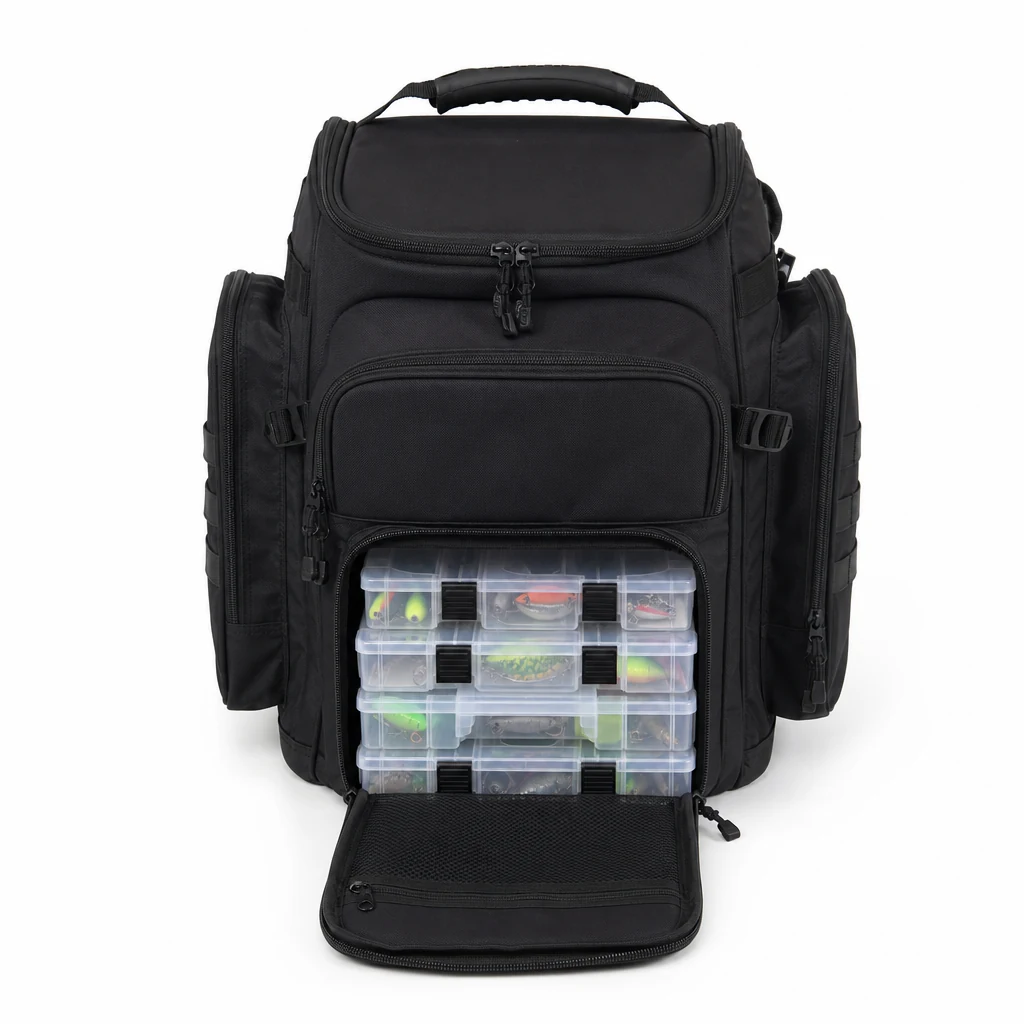
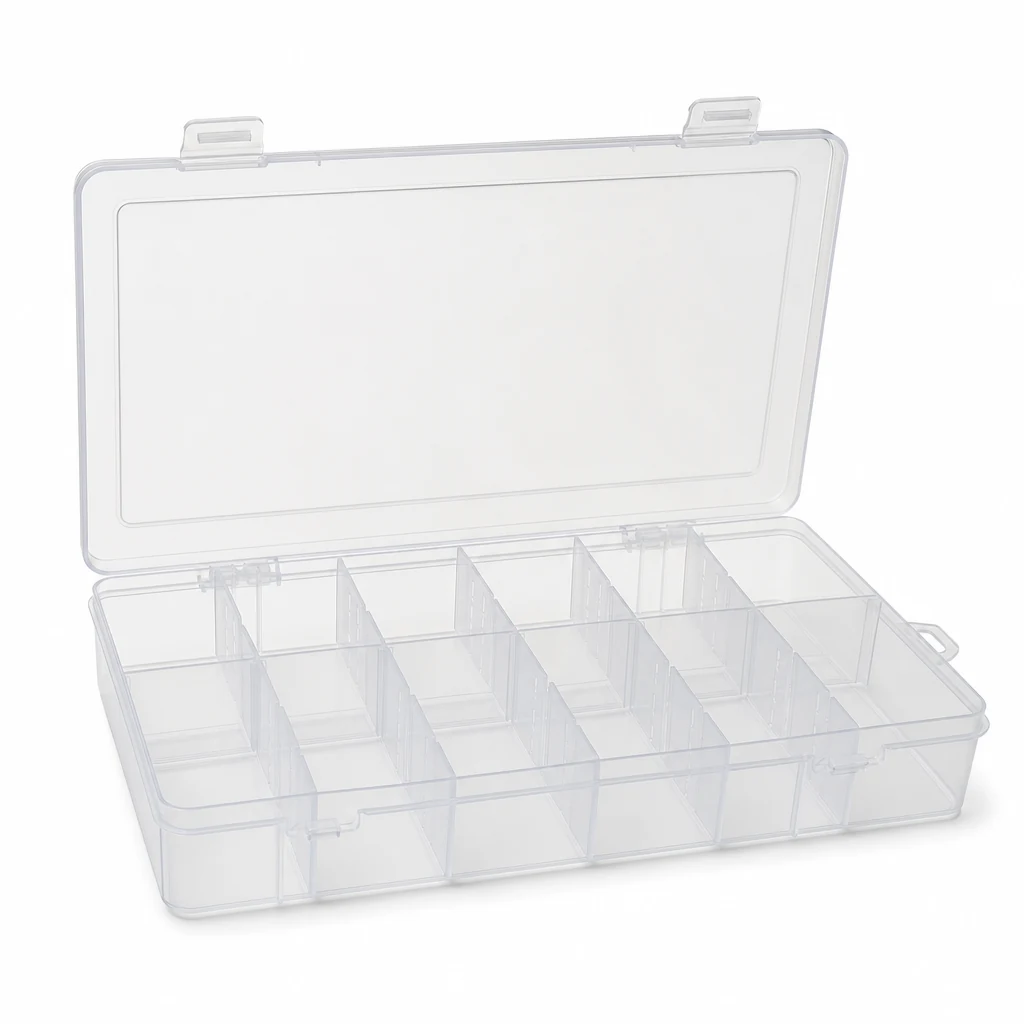
Stock hardware in bulk: EWG hooks in 3/0, 4/0, and 5/0; tungsten bullet weights in 3/16, 1/4, 3/8, and 1/2 oz; and a handful of swivels for Carolina rigs. These are consumable items — buy a multi-pack and keep a small utility box organized by size. You’ll save money versus buying single-packs at a bait shop and you’ll always have what you need at the water.
Putting It All Together
Bass fishing doesn’t require a garage full of gear — it requires the right gear matched to the technique you’re fishing. Once you understand why a moderate-action rod belongs with a crankbait, why fluorocarbon makes a Texas rig deadlier, and why the hook size on your soft plastic matters as much as the plastic itself, the tackle shop gets a lot less confusing. Build your five-technique arsenal methodically, learn one technique at a time until it’s automatic, and the fish will follow. That’s the deal. Good luck out there.