Disclosure: BestFishingReviews.com earns a commission on qualifying purchases made through affiliate links in this article at no extra cost to you.
Largemouth bass are the most pursued freshwater fish in America — and for good reason. They’re aggressive, they live in nearly every state, and when one blows up on a topwater lure at first light, it’ll rearrange your priorities for life. But catching them consistently is a different story. Bass behavior shifts dramatically by season, water temperature, weather, and structure. The angler who understands those shifts — and matches their gear and presentation to the moment — catches fish when everyone else is scratching their head. This guide covers everything: seasonal patterns, where bass hold, the five lure presentations that account for the most fish, and the rod, reel, and line setup that handles all of it. Whether you’re brand new to bass fishing or looking to fill the gaps in your game, this is your foundation.
See current price & availability on AmazonCheck on Amazon →Seasonal Patterns: Matching Your Approach to the Calendar
Bass aren’t randomly distributed in a lake. At any given moment, they’re somewhere specific — doing something specific — because of water temperature, spawning instinct, and forage availability. Learn the seasonal calendar and you cut your search time in half.
Pre-Spawn (Water Temps 48–62°F, Early Spring)
This is one of the best feeding windows of the year. Bass are coming out of their winter stupor, staging in deeper water near spawning flats — usually secondary points, channel edges, and the first significant depth change adjacent to shallow coves. They’re bulking up on calories before the spawn. Slow-rolled swimbaits, jerkbaits worked with long pauses, and football jigs dragged along the bottom are your best bets. Fish slow, stay near transitional depth zones, and target the warmest water you can find — north-facing banks and shallow dark-bottom pockets absorb more sun and warm first.
Spawn (Water Temps 62–75°F, Late Spring)
Spawning bass move into the shallows — typically 1 to 6 feet of water — and bed on hard substrate: gravel, shell, or sand near some form of cover. Males fan out the nest; females move in briefly to deposit eggs, then push back out to deeper adjacent water. You can sight-fish visible beds with a Ned rig or soft plastic creature bait — but understand that repeatedly pulling bass off beds stresses them and disrupts reproduction. Many serious bass anglers target pre- and post-spawn fish and leave bedding fish alone. That’s your call.
Post-Spawn (Water Temps 70–80°F, Late Spring to Early Summer)
The spawn takes a real toll. Big females go into a recovery mode, hanging near deep edges while males guard fry in the shallows. Post-spawn bass can be moody and hard to locate. Cover water fast with moving baits — buzzbaits, bladed jigs, and shallow crankbaits — to locate active fish. Once you find them, slow down. Topwater poppers around shallow cover at dawn and dusk produce well during this window. Patience pays here more than anywhere else in the calendar.
Summer (Water Temps 80°F+, June through August)
Summer pushes bass to extremes — either very shallow at first and last light, or very deep during the heat of the day, suspending near thermoclines or hugging main-lake structure. Early morning topwater is spectacular in summer. By 9 or 10 a.m., the bite typically dies and you need to go deep — drop shots, deep-diving crankbaits, Carolina rigs, and football jigs on main-lake points and humps. Night fishing is seriously underutilized in summer; big bass cruise shallow flats after dark and will slam a slow-rolled black-and-blue spinnerbait.
Fall (Water Temps Dropping Through the 70s and 60s, September–November)
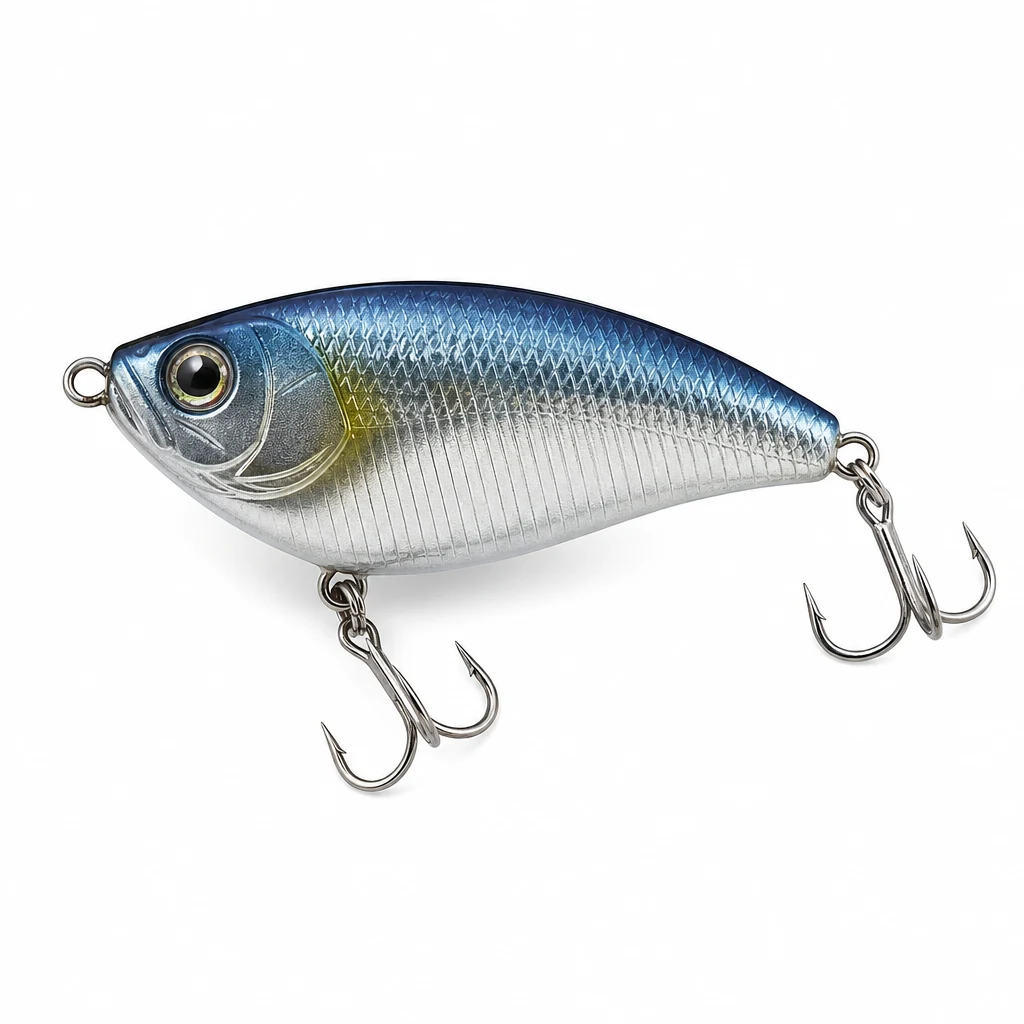
Fall is arguably the most exciting season for reaction bites. Cooling temps trigger shad and other baitfish to school up in coves and along flats, and bass follow them aggressively. This is the season to cover water. Lipless crankbaits, spinnerbaits, and swimbaits ripped through baitfish schools produce explosive strikes. Watch for diving birds — they’ll mark baitfish concentrations on the surface. As temperatures drop into the low 60s, bass begin staging again on transitional structure, and jigs and slower presentations regain the edge.
Winter (Water Temps Below 50°F, December–February)
Bass metabolism slows dramatically in cold water. They congregate in deep, slow-moving or still water and are reluctant to chase fast-moving baits. This is the season of finesse — a drop shot rig worked painfully slowly on main-lake structure, a blade bait hopped along the bottom, or a tube jig inched along deep clay points. Strikes are subtle — often just a slight tick or a line that goes slack. Fish fewer spots more thoroughly, and don’t be afraid to revisit the same depth range multiple times. On warm winter afternoons, bass will occasionally move shallow and bite well.
Where Bass Hold: Reading the Water
Bass are ambush predators. Everything about their biology orients them toward structure and cover — places where they can sit in low current, stay concealed, and explode on prey with minimal energy expenditure. Understanding that mindset makes reading water intuitive.
Structure refers to changes in the bottom topography — points, humps, channels, ledges, creek bends. These are permanent features on your lake map. Cover refers to objects in or on the water — docks, rocks, laydowns, lily pads, hydrilla, brush piles. Bass use both, and the best spots combine them: a laydown on a point, a dock at the end of a channel swing, a brush pile on a ledge.
Here are the most consistently productive bass-holding locations you’ll find on any body of water:
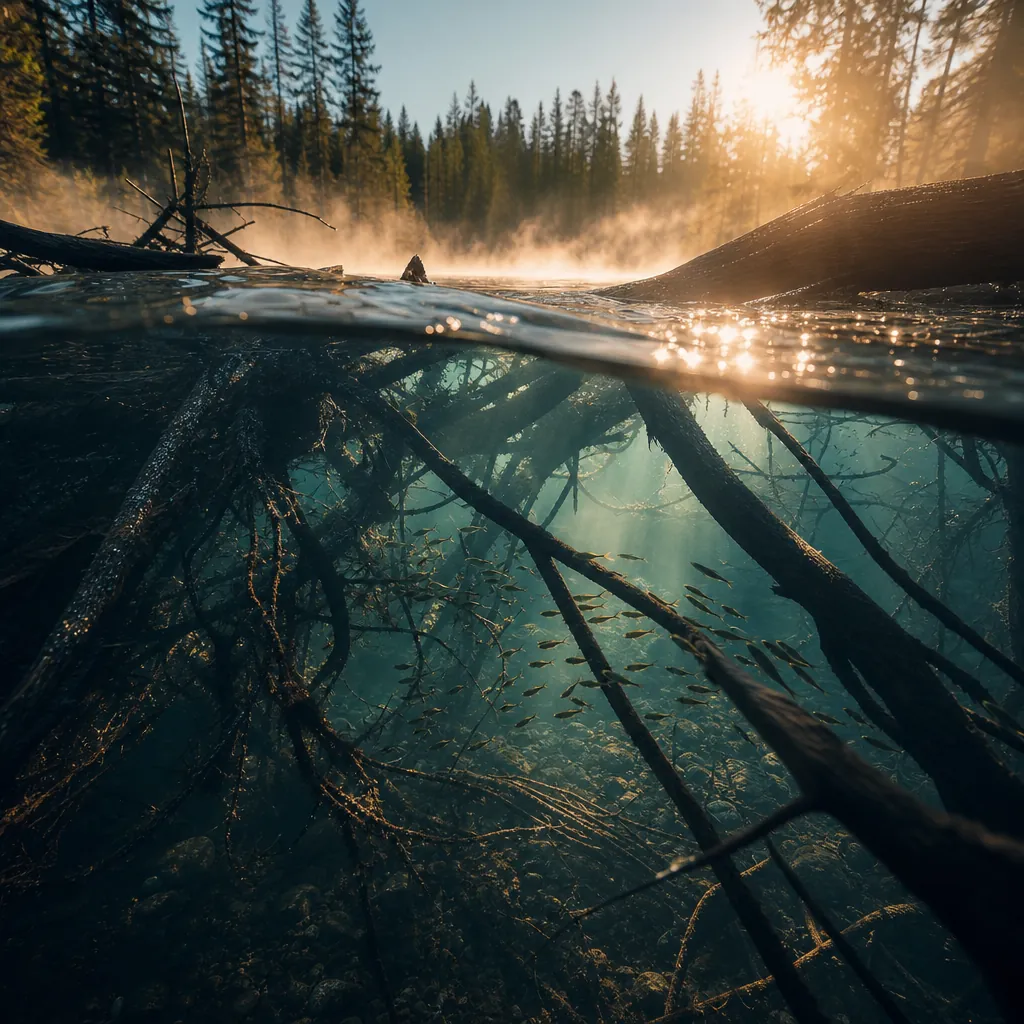
- Laydowns and fallen timber: A tree that has fallen into the water is a bass hotel. Work the root ball first — it holds the most fish — then parallel the length of the trunk.
- Docks and piers: Bass love shade. Hit the corners and the back of the dock, and skip soft plastics or jigs into the shaded interior sections.
- Grass and weed edges: Bass cruise the outer edge of vegetation lines to ambush prey. A crisp edge — particularly where it drops into deeper water — is gold.
- Points: Both shallow and deep points funnel bass movement. In warm weather, fish the tip and deep sides; in cold water, focus on where the point meets the main channel.
- Riprap: Rock retains heat and holds crayfish. Riprap banks along causeways and dam faces are year-round producers.
- Brush piles: Anglers who locate underwater brush piles — natural or man-made — find private honey holes that produce through multiple seasons.
Top 5 Lure Presentations Every Bass Angler Needs
You could fill a tackle room with bass lures and still not need half of them. The anglers who catch the most fish have drilled down on a handful of presentations they know inside and out. Here are the five that cover the most water, the most seasons, and the most conditions.
1. Texas-Rigged Soft Plastic
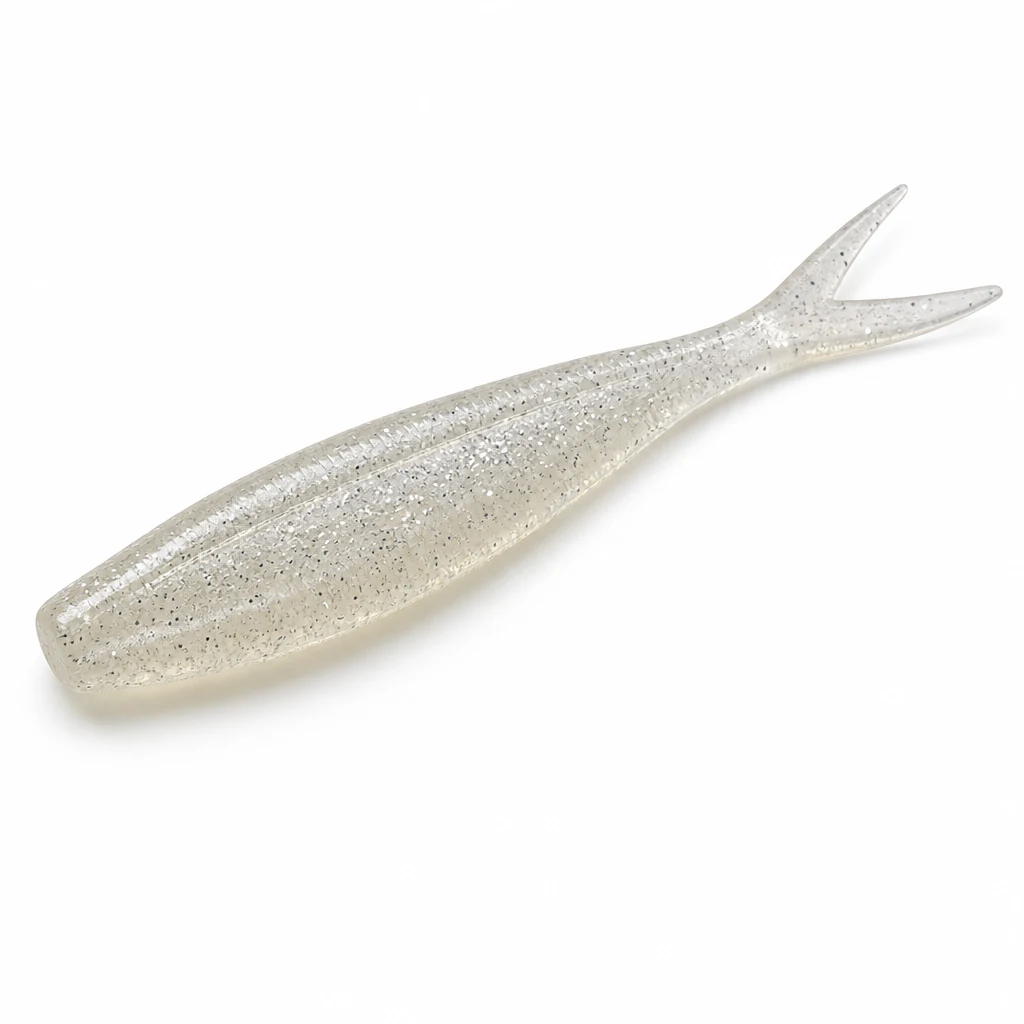
The Texas rig is the foundational bass presentation. A bullet weight pegged or sliding above a wide-gap hook, threaded through a soft plastic worm, creature bait, or craw — and you can punch it into any cover without snagging. It’s the most versatile setup in bass fishing. You can flip it into heavy grass, pitch it under docks, swim it along the surface, or drag it slowly on the bottom. A pack of 10-inch worms in green pumpkin or black-blue is your starting point. Master this presentation and you’ll always catch fish.
2. Jig
A bass jig — typically ⅜ to ¾ oz with a matching trailer — catches big bass year-round and is particularly lethal in cold water and heavy cover. Pitch it to laydowns, flip it into mats, swim it along grass edges, or drag it on deep structure. The jig mimics a crayfish perfectly, which is one of the primary food sources for largemouth. It’s not the easiest presentation to learn — feel and timing on the hookset take practice — but no lure in the tackle box produces bigger fish more consistently.
3. Spinnerbait
The spinnerbait is the great search tool. Cast it, retrieve it at medium speed, and it produces flash and vibration that bass locate from a distance. It’s especially effective in stained or murky water where bass rely more on their lateral line than their eyes. It’s nearly snag-free, so you can crash it through laydowns and rip it through grass. In fall when bass are chasing shad, a white or chartreuse-and-white spinnerbait covering water quickly is hard to beat. In cloudy or windy conditions, reach for one first.
4. Crankbait
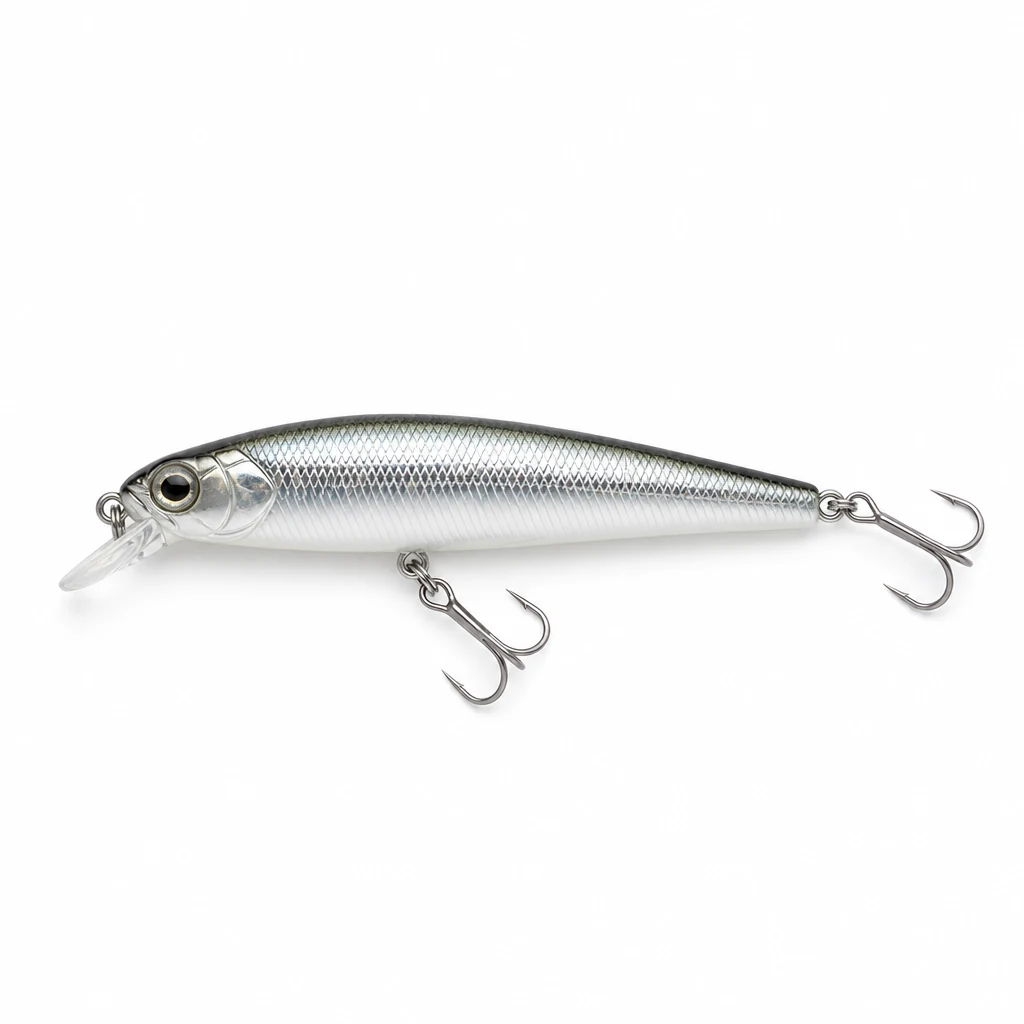
Crankbaits come in three practical categories for bass: shallow (0–4 ft.), medium (4–12 ft.), and deep-diving (12–20+ ft.). Matching the dive depth to the depth zone you’re targeting is the key to making them work. Deflecting a crankbait off hard cover — rocks, dock posts, submerged timber — triggers reaction strikes from fish that aren’t actively feeding. In summer on deep main-lake structure, a deep-diving crankbait cranked down to a ledge is one of the highest-percentage big-fish presentations that exists. Select your crankbait by the depth you need to reach, not by color first.
5. Drop Shot
The drop shot is a finesse rig — a hook tied directly to the line 12 to 18 inches above a small cylindrical weight, with a finesse worm or small creature bait on the hook. The weight sits on the bottom; the bait suspends above it and quivers in place. It is the single best presentation for pressured fish and cold clear water. When bass have seen every reaction bait in the tackle shop, a drop shot with a subtle 4-inch finesse worm left in their face for 30 seconds will still get bit. Learn to fish it on both spinning gear (for light line) and baitcasting gear (for heavier cover).
Ideal Rod, Reel, and Line Setup
You don’t need fifteen rods to fish bass effectively. You need two or three purpose-built setups that cover your primary presentations. Here’s how to build them without wasting money.
The All-Around Baitcasting Setup
A 7-foot medium-heavy fast-action casting rod paired with a baitcasting reel in the 7.1:1 gear ratio range handles Texas rigs, jigs, spinnerbaits, and most crankbaits. This is your workhorse. Spool it with 15–17 lb fluorocarbon for most applications — fluorocarbon sinks, which keeps your jig and Texas rig in contact with the bottom, and it’s nearly invisible in clear water. For heavy cover and matted grass, jump to 50–65 lb braided line. Braid punches through grass and vegetation that would eat fluorocarbon alive.
The Finesse Spinning Setup
A 6’10” to 7’1″ medium-light spinning rod paired with a quality 2500–3000 size spinning reel handles drop shots, Ned rigs, small swimbaits, and light Texas rigs. A smooth-drag spinning reel in this size class is essential — finesse fishing requires drag that doesn’t surge under light line pressure. Spool it with 8–10 lb fluorocarbon or use 10–15 lb braid with a 6–8 lb fluorocarbon leader for maximum sensitivity and stealth.
Line Selection Simplified
Three line types matter for bass: monofilament, fluorocarbon, and braid. Mono floats, stretches, and is inexpensive — it’s good for topwater applications where you want the bait to ride high and a little stretch prevents fish from throwing the hook. Fluorocarbon sinks, has low stretch, and is nearly invisible — it’s the best all-around bass line for most subsurface presentations. Braid has zero stretch, incredible sensitivity, and cuts through vegetation — use it for punching heavy cover and when you need to feel everything. Most serious bass anglers run fluorocarbon as their default, braid in heavy cover, and mono only on topwater or crankbait applications.
Common Mistakes Bass Anglers Make
A lot of bass fishing is avoiding the errors that cost you fish before they ever bite. These are the most consistent mistakes — worth knowing, worth fixing.
- Moving too fast: Most anglers don’t spend nearly enough time on a productive piece of structure. If you catch one bass off a laydown, make five more casts from different angles before moving on. Bass stack up.
- Ignoring water temperature: A $10 thermometer tells you more about where bass are than any lure selection. Water temp drives everything — know it before you pick your presentation.
- Setting the hook too soon on soft plastics: When you feel a thump, resist the urge to yank immediately. Take in slack, lower the rod tip, then drive the hook home with a firm sweep. Premature hooksets pull the bait out of the fish’s mouth.
- Fishing the wrong depth: Bass are somewhere on the water column all day. If you’re not getting bites, change depth before you change lures. Going deeper is almost always the right first adjustment.
- Neglecting line quality: Old, brittle, or incorrect line loses fish. Replace your line at the start of every season at minimum, and after any significant abrasion event.
- Casting noise: Splashing a lure directly on top of a bass — or slamming your boat into a bank — spooks fish in shallow water. Cast past your target and retrieve the bait into the zone. Approach shallow water quietly.
- Chasing the wrong conditions: Bluebird skies and dead-calm water after a cold front are the worst bass-fishing conditions you’ll encounter. Don’t expect your usual action. On those days, go deep and go slow — or pick a different day.
How to Choose Your First Bass Setup (or Upgrade Smartly)
If you’re just getting into bass fishing or building toward a more complete setup, prioritize this order: rod sensitivity, reel smoothness, and line quality — in that order. A sensitive rod telegraphs what your bait is doing and what the fish are doing. A smooth reel keeps you from fighting your gear. Quality line connects it all. Don’t spend $300 on a reel and fish it on a $40 noodle rod. Balance your investment.
For most anglers just getting started, a single medium-heavy baitcasting setup with 15 lb fluorocarbon is your fastest path to catching fish across multiple techniques. Add a light spinning rod as your second rod — that combination covers 80 percent of bass fishing situations you’ll encounter. You don’t need to buy everything at once. Pick the two rods, learn the presentations that match them, and fish them until they feel like extensions of your arm. Gear knowledge is secondary to water time and pattern recognition — but the right gear makes learning faster and losing fish less common.
Final Word
Largemouth bass fishing rewards anglers who think, adapt, and pay attention. The seasonal calendar, the structure, the presentations, and the gear all connect — once you see how they fit together, every trip to the water becomes a puzzle you’re equipped to solve rather than a gamble. Start with the seasonal patterns, learn where bass hold, drill down on two or three core presentations, and build your setup around purpose rather than impulse. You’ll catch more fish, you’ll understand why you’re catching them, and that understanding compounds every season. That’s how good anglers are made — not by gear, but by knowing what they’re doing and why. Now go get on the water.