Disclosure: BestFishingReviews.com participates in the Amazon Associates program and other affiliate networks; we may earn a commission if you buy through our links, at no extra cost to you.
Walleye have a way of humbling anglers who don’t respect them — and rewarding those who do. They’re not the biggest fish in the lake, not the most acrobatic, and they don’t make flashy runs like a muskie. What they do is make you work. They move with the seasons, follow baitfish with quiet precision, and go from wide-open to completely lockjawed based on factors you’d never predict on your first few trips. But once you figure them out — once you understand how walleye think and where they live through the year — they become one of the most consistently catchable and flat-out delicious freshwater fish in North America. This guide covers everything: seasonal location, techniques, gear, and regional hotspots, all in one place.
See current price & availability on AmazonCheck on Amazon →Understanding Walleye: What Makes Them Tick
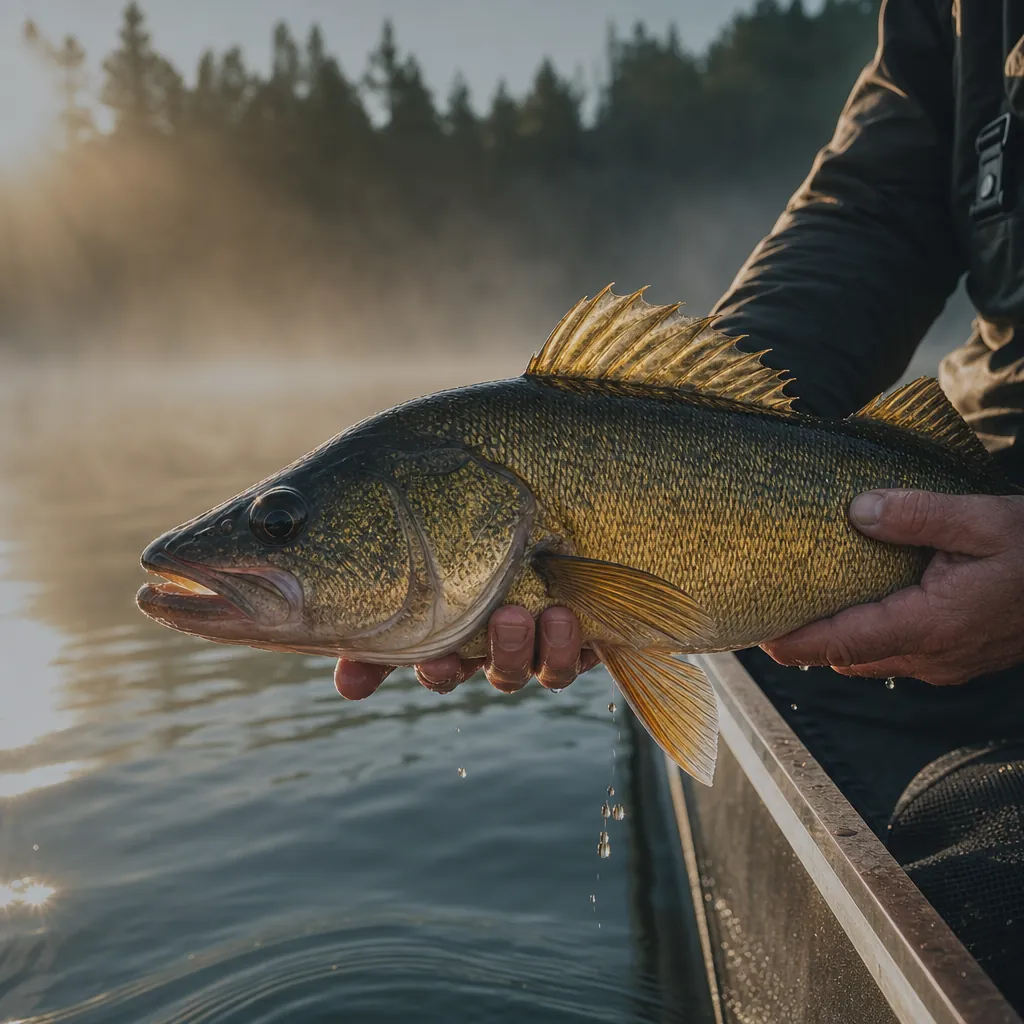
Before you buy a single piece of gear, understand the fish. Walleye are light-sensitive predators. Those glassy, almost opaque eyes — the feature that gave them their name — are packed with a reflective layer called the tapetum lucidum that lets them see exceptionally well in low-light conditions. That’s why they feed heavily at dawn, dusk, and after dark, and why they bury themselves in deep, dark water or beneath weed cover during bright midday sun. Fish that feed best when the sun is down or off-angle are telling you something: be on the water early, stay late, and don’t sleep in.
Walleye are also structure-oriented. They use hard bottoms — gravel, rock, sand — especially during spawning and post-spawn periods, then transition to soft-bottomed flats and weed edges as water temps climb. Understanding that relationship between temperature, light, and bottom composition is the single biggest factor in locating walleye consistently across all four seasons.
Seasonal Location Patterns: Where Walleye Are and Why
If you only take one thing from this guide, take this: walleye location is almost entirely driven by season and water temperature. Get the season right, and you’re already halfway to finding fish.
Spring: Shorelines, Rocky Points, and River Mouths
Spring walleye fishing is the most accessible of the year. As water temperatures climb from the mid-30s into the low 50s°F, walleye move shallow to spawn — and they do it close to shore. Rocky shorelines, riprap banks along causeways, gravel points, and the mouths of tributary rivers and streams are all prime early-season targets. In rivers, walleye stack up below dams and in current breaks where they can rest without fighting heavy flow. Post-spawn, as temps push into the upper 50s and low 60s, fish move off the rocks slightly but often stay relatively shallow, feeding aggressively to recover from the spawn. This is one of the year’s best windows for numbers and size.
Summer: Weed Lines, Humps, and Deep Structure
Once surface temps crack 70°F, walleye become a different puzzle. They push deeper, hug the edges of weed lines (especially cabbage and coontail), and suspend over mid-lake humps and sunken islands. The classic summer pattern is the “rock to weed” transition — walleye sitting right on the break where hard bottom meets soft, weedy bottom, usually at 12 to 22 feet depending on water clarity. Clear lakes push fish deeper; stained lakes keep them shallower. Early morning and evening bites still happen shallow, but your midday game needs to go down. A good sonar unit and a lake map will do more for your summer walleye fishing than any lure in your tackle box.
Fall: Transition Zones and the Big-Fish Window
Fall is when walleye fishing gets serious for big fish. As water cools back into the 50s and 60s, walleye feed heavily to pack on weight before winter. They follow shad, perch, and cisco as those baitfish school up on rocky points, main-lake humps, and the edges of the last remaining green weeds. The key word in fall is “transition” — fish are moving, and your job is to find where they’re staging before they drop to their winter depths. Trolling crankbaits along breaklines during this window can produce some of the largest walleye of the entire year. Don’t overlook rivers in fall either; big walleye push back into current to feed on the schools of baitfish funneling downstream.
Winter: Ice Fishing and Deep Basin Walleye
On hard-water lakes from Minnesota to Maine, ice fishing for walleye is a legitimate passion. Under the ice, walleye relate to the same structures they use in fall — main-lake points, saddles between islands, and deeper basin edges, typically 20 to 40 feet. The early-ice and late-ice periods are the most productive; mid-winter fish can be sluggish and tight-lipped. Drilling holes along a breakline contour and setting tip-ups with live or dead sucker minnows over the deepest holes while you jig a second rod in a shallower one is a time-tested approach. Walleye twilight and night bites happen under ice just like open water, so don’t abandon the holes at sundown.
Top Walleye Techniques: How to Actually Catch Them
Jigging
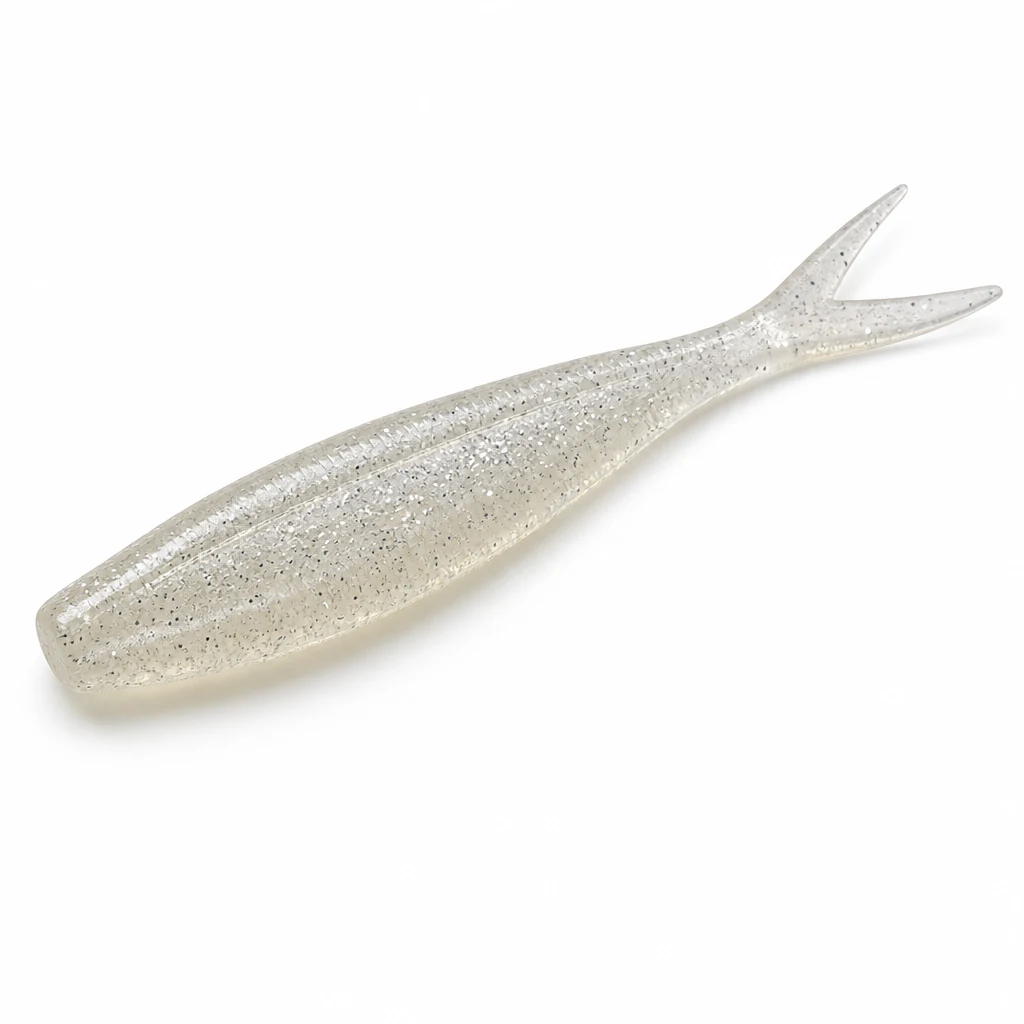
Jigging is the most versatile walleye technique and the one every serious walleye angler should master first. A 1/8- to 3/8-oz jig head tipped with a plastic paddle tail, curly tail grub, or live minnow covers most situations from early spring through fall. The key is presentation: walleye rarely want a jig hopped aggressively off bottom. A slow drag-and-pause, or a lift-drop with 6 inches of movement and a long pause on the fall, almost always outfishes anything energetic. Chartreuse and white are go-to colors; pink and orange work in stained water. For jigging hardware, look at walleye jig heads in the 1/8 to 1/2 oz range so you can cover different depths without re-rigging constantly.
Trolling Crankbaits
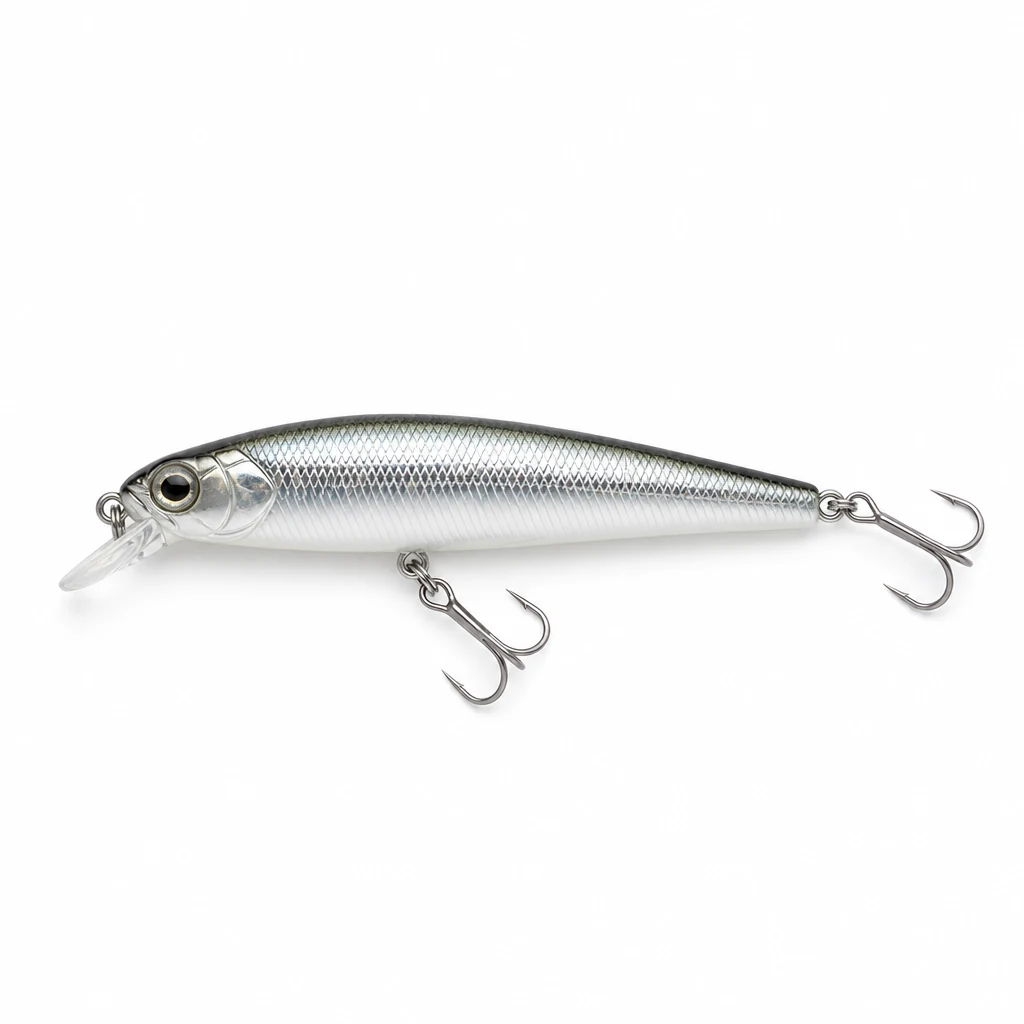
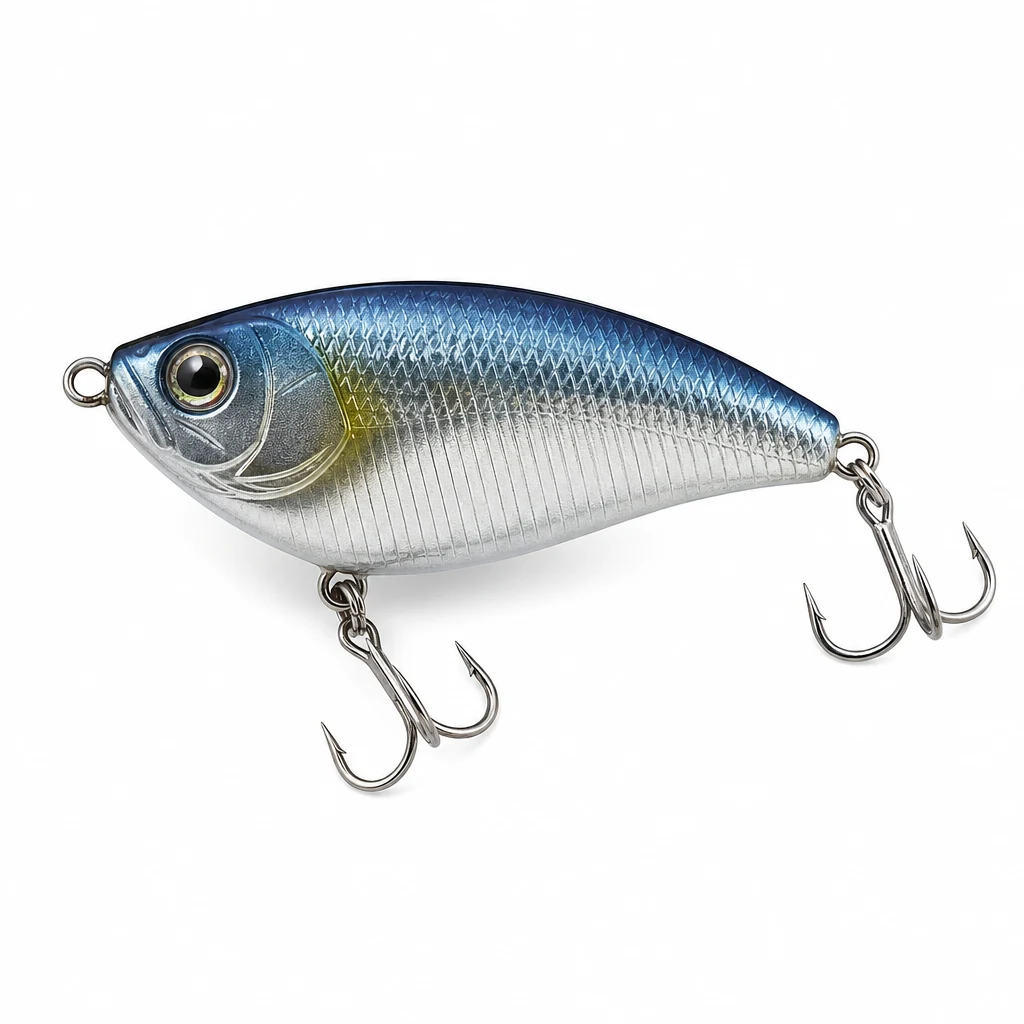
Trolling is the technique that covers the most water and is often the fastest way to locate walleye on unfamiliar lakes. The setup is straightforward: a medium-action trolling rod loaded with 10-lb monofilament or low-stretch braid with a fluorocarbon leader, pulling a shallow- to medium-diving crankbait at 1.5 to 2.5 mph along a breakline or weed edge. The goal is to run the bait 2 to 4 feet off bottom. Planer boards let you spread multiple lines and cover wider swaths of structure. Popular color patterns include perch, shad, and fire tiger. For cranks, look for minnow-style and shad-profile baits in the 3- to 5-inch range — walleye trolling crankbaits from brands like Rapala, Reef Runner, and Berkley have decades of proven production.
Live-Bait Rigging
When walleye are pressured, finicky, or the bite is slow, live-bait rigging is the great equalizer. The classic Lindy rig — a sliding sinker above a barrel swivel, 3 to 6 feet of fluorocarbon leader, and a live nightcrawler, leech, or minnow on a small hook — is responsible for more walleye than arguably any other presentation in history. You drag it slowly along the bottom at barely above idle speed, or let it out behind a slow-drifting boat. When a fish picks up the bait, you free-spool line and let it run before setting the hook. The reason it works is simple: it looks and feels exactly like a real meal. Use fluorocarbon leader material for the bottom portion of the rig — its near-invisibility in clear water makes a measurable difference on wary fish.
Gear Setup: What You Actually Need
Walleye fishing doesn’t require specialized or expensive gear, but certain choices do matter. Here’s how to build a functional setup without overcomplicating it.
Rods and Reels
A medium-light to medium power, fast-action spinning rod in the 6’6″ to 7′ range is the walleye workhorse. It’s sensitive enough to detect soft bites on a jig and has enough backbone to set the hook at distance. Pair it with a quality spinning reel in the 2500 to 3000 size range. You don’t need to spend $300 on a reel — mid-range spinning reels in the $50 to $120 range from Shimano, Pflueger, or Penn offer smooth drag and solid durability for the money. For trolling, step up to a medium-action 7′ to 8′ rod with a line-counter reel so you can reproduce depth and distance when you find the right running depth.
Line
Most walleye anglers fish 6- to 10-lb monofilament or fluorocarbon as their main line for jigging and live-bait work. Fluorocarbon’s low visibility and near-zero stretch give it an edge in clear water and for detecting light bites. Braid (10 to 20 lb) with a fluorocarbon leader is excellent for jigging in deeper water where sensitivity really matters. Avoid heavy line — walleye are line-shy, and dropping from 10 lb to 6 lb fluorocarbon has been a documented difference-maker on tough lakes.
Electronics
A quality fishfinder/sonar unit is the single biggest gear upgrade an improving walleye angler can make. You cannot consistently find walleye on structure without being able to read depth, bottom composition, and fish location. Side-imaging and down-imaging units help locate submerged points and weed edges faster, but even a basic 2D sonar with good resolution will dramatically improve your results. GPS map chip integration is a bonus for marking productive spots and navigating breaklines efficiently.
Common Walleye Fishing Mistakes to Avoid
- Fishing too fast. Walleye are slow-water, slow-presentation fish most of the time. If your jig never touches the bottom and your retrieve never pauses, you’re fishing for bass, not walleye.
- Ignoring low-light windows. Fishing from 10 a.m. to 2 p.m. on clear days is one of the least productive walleye windows of the day. Be on the water at first light and stay through dusk.
- Using too heavy a line. Line visibility matters. Drop down in line weight before you change lures if the bite dies on clear water.
- Setting the hook too early on live bait. When a walleye picks up a crawler or minnow on a live-bait rig, it needs a second to turn the bait headfirst before swallowing. Set too soon and you’ll pull it away clean.
- Skipping electronics. Randomly casting shorelines without knowing where the structure breaks, weed edges, and fish actually are is one of the most common time-wasters in walleye fishing.
- Neglecting scent and hook sharpness. Walleye bite softly. A dull hook will slip out; a sharp one grabs. Check your hook point after every few casts on rock and replace or sharpen regularly.
Regional Hotspots: Best Walleye Waters in the U.S.
Walleye are native to the Great Lakes basin and the northern Mississippi drainage but have been stocked widely across the country. Here are the regions that consistently produce trophy fish and big numbers:
- Lake Erie (Ohio/Pennsylvania/New York): The walleye capital of the world. Erie produces millions of walleye annually; the western basin near Sandusky is legendary for spring and summer trolling.
- Mille Lacs Lake (Minnesota): A massive, shallow glacial lake that’s been synonymous with walleye fishing for generations. Excellent structure, clear water, and a long open-water season.
- Devils Lake (North Dakota): Consistently ranks among the top walleye fisheries in the country. Exceptional average size and numbers, good from ice-out through freeze-up.
- Lake of the Woods (Minnesota/Canada border): Massive, island-studded border lake with world-class walleye density in both open water and through the ice in winter.
- Missouri River reservoirs (South Dakota — Lake Oahe, Lake Sharpe): River-reservoir systems that produce both numbers and large fish, especially in spring and fall along river channel edges.
- Green Bay (Wisconsin): The western arm of Lake Michigan holds a tremendous walleye fishery, particularly in tributaries like the Fox River in spring and along Green Bay’s rocky structure through summer.
- Saginaw Bay (Michigan): A consistent producer off the western shore of Lake Huron, with excellent spring spawning runs and solid trolling through summer.
How to Choose the Right Setup for Where You Fish
Before you buy a new rod or load up on lures, think about where you’re actually fishing. A river angler in Ohio needs different gear than an ice fisherman in North Dakota. Here’s a quick framework:
- Clear lakes, pressured fish: Go lighter — 6 lb fluorocarbon, smaller jigs, live leeches or crawlers. Presentation finesse beats gear every time here.
- Big open-water trolling lakes (Erie, Mille Lacs): Invest in line-counter reels, planer boards, and quality trolling cranks. Speed and depth control are everything.
- River systems: Heavier jigs (3/8 to 1/2 oz) to stay on bottom in current, and live minnows or blade baits for cold-water periods. Work current breaks and eddies rather than main channel.
- Ice fishing: A quality ice rod in the 28 to 36 inch range, a small spinning reel, 6- to 8-lb fluorocarbon, and a selection of walleye ice fishing jigs and tip-up rigs with sucker minnows cover 90% of winter situations.
The honest truth about gear: a $30 jig rod and a box of quality jigs will catch walleye just as well as an $800 setup — once you understand where the fish are and how they want the bait presented. Spend your first investment on knowledge (lake maps, local guides, good sonar), then dial in your gear from there. If you’re building a complete walleye kit from scratch, a solid starting point is a walleye spinning rod and reel combo paired with fluorocarbon line, a selection of 1/8 to 3/8 oz jig heads, plastics, and a few proven crankbaits for trolling.
Final Thoughts
Walleye fishing rewards patience, observation, and willingness to change. The angler who finds the fish first — by understanding seasonal patterns, reading structure, and adjusting presentation speed — wins, regardless of what they’re throwing. Start with spring shorelines when the fish are predictable and accessible, learn to jig and rig live bait through summer and fall, and if you’re in the northern tier, put in some time on the ice in winter. Each season teaches you something the last one didn’t. Give it a few years and you’ll find yourself at the boat ramp at 5 a.m. without needing an alarm, because walleye fishing has a way of getting into your system. There are worse things to be hooked on.