
Disclosure: BestFishingReviews.com earns a commission on qualifying purchases made through affiliate links in this article, at no extra cost to you.
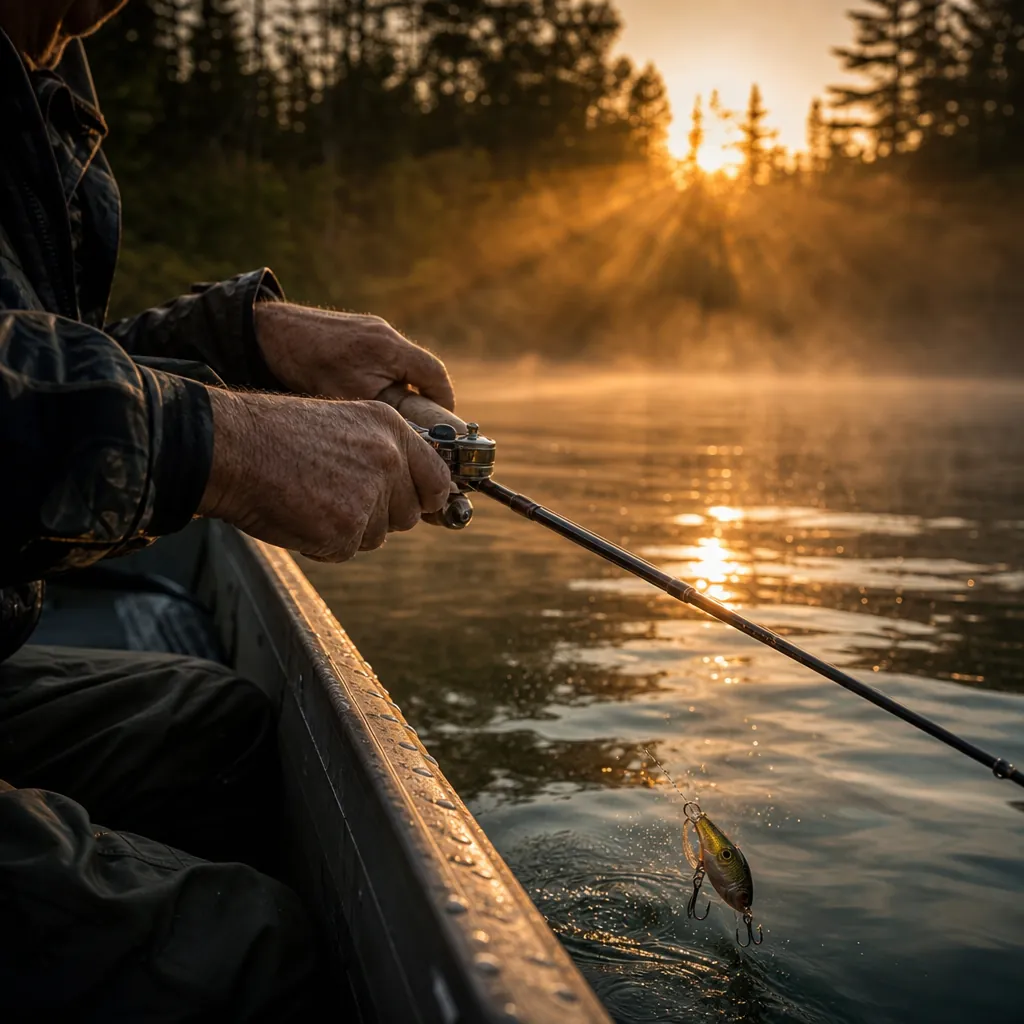
Crankbaits might be the most misused lure in the tacklebox. Guys tie one on, chunk it out, reel it back at a steady pace, catch nothing, and decide crankbaits “don’t work” on their lake. What they’re really missing is that a crankbait isn’t just a lure — it’s a system. The lip shape determines depth, the retrieve cadence triggers strikes, and the color has to match the water clarity. Get all three dialed in together and you’ve got one of the most versatile, fish-catching tools in freshwater fishing. This guide walks you through every piece of that system, from choosing the right lip to swapping out hooks so you land every fish that bites.
See current price & availability on AmazonCheck on Amazon →Understanding Lip Styles: Squarebill, Mid-Diver, and Deep-Diver
The plastic lip on the front of a crankbait is doing a lot of work. Its size, angle, and shape control how deep the lure dives, how it deflects off cover, and how it behaves when you change your retrieve. Before you worry about color or cadence, you need the right tool for the depth you’re fishing.
Squarebill Crankbaits (0–4 feet)
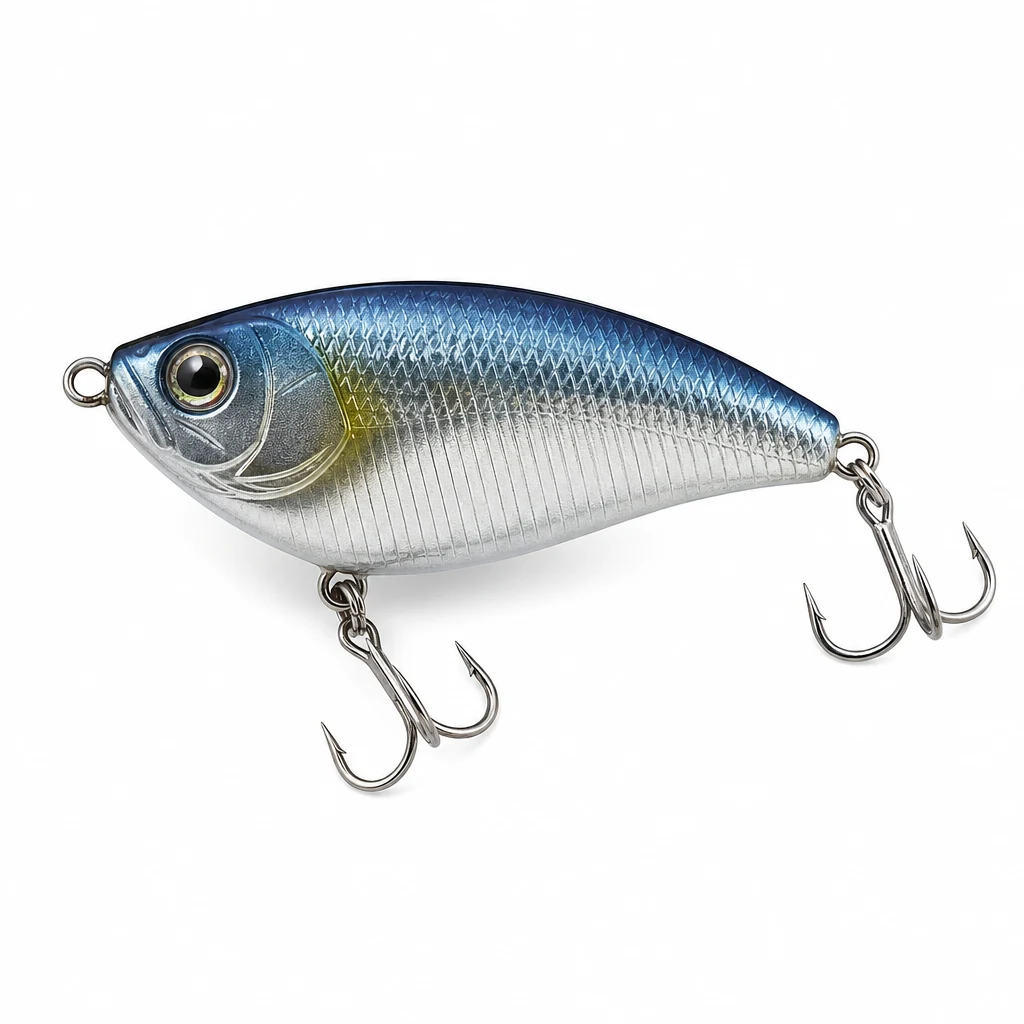
Squarebills have a wide, flat, nearly vertical lip that makes them run shallow — typically 1 to 4 feet down. More importantly, that blunt lip deflects hard off wood, rock, and laydowns instead of getting hung up. That deflection is the whole point. You want to crash a squarebill into a dock piling, a submerged log, or a shallow rock pile. When it kicks sideways unexpectedly, that’s exactly when a bass slams it. Fish squarebills around shallow cover in spring and fall, or anytime bass are pushed up into less than 5 feet of water. A good squarebill crankbait is one of the best search baits you own for shallow water.
Mid-Divers (5–12 feet)
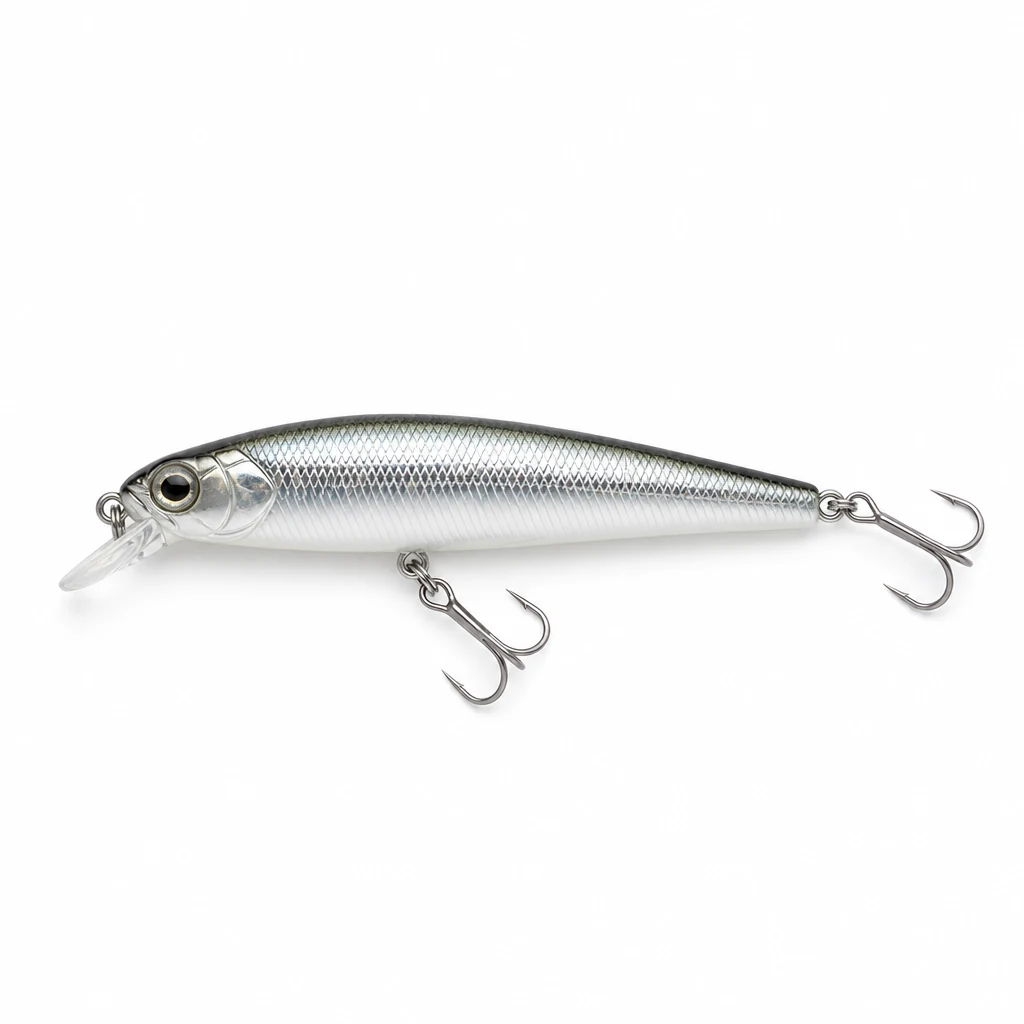
Mid-divers carry a longer, more angled lip and typically reach 5 to 12 feet depending on the model and your line diameter. This is the bread-and-butter depth range for a lot of bass fishing — think main lake points, channel swings, submerged humps, and secondary ledges. Mid-divers excel in summer and early fall when fish stage in that mid-column zone before moving deep. They also work well around chunk rock and hard bottom where you want to tick the bottom and trigger reaction strikes.
Deep-Divers (13+ feet)
Deep-diving crankbaits have a long, extended bill at a low angle that allows them to pull down to 15, 20, even 25 feet on a long cast with thin-diameter line. These are ledge-fishing tools, plain and simple. When bass school up on offshore structure in the heat of summer, a deep-diving crankbait dragged along a river channel ledge is absolutely lethal. The key to getting maximum depth: use 10–12 lb fluorocarbon, make the longest cast you can manage, and keep your rod tip low — even pointed at the water — during the retrieve.
Retrieve Cadence: Steady, Stop-and-Go, and Ripping
Most anglers fish crankbaits on autopilot — steady retrieve, same speed, all day. That works sometimes. But varying your cadence is often the difference between a slow day and a limit. Fish tell you what they want; you just have to listen.
Steady Retrieve
The baseline. Reel at a consistent pace and let the lure do its job. Faster retrieve generally means more action and a tighter wobble; slower means a wider, lazier roll. In cold water — early spring or late fall, when water temps drop below 55°F — slow way down. Bass are lethargic and won’t chase hard. In warmer water, speed it up. A good rule of thumb: if you’re not sure, burn it once, slow-roll it once, and see which one gets bit.
Stop-and-Go
This is the most underused crankbait technique. Reel the bait down to depth, then pause it completely for one to three seconds. The lure suspends or slowly floats up, and then when you start reeling again, it darts back down. That direction change triggers reaction strikes from fish that were following but not committing. Stop-and-go is deadly around any kind of isolated cover — stumps, dock posts, boulders. Burn the bait to the target, kill it right when it deflects, wait, then reel again. You’ll be surprised how often the strike comes the instant you start reeling after the pause.
Ripping
Ripping is more aggressive. Reel the crankbait down to its running depth, then snap your rod tip upward sharply — like you’re setting a hook — and immediately reel up the slack. This jerks the bait erratically upward and forward, mimicking a fleeing baitfish. Let it settle back, then rip again. This technique shines in cold water on suspending crankbaits, or anytime fish are in a neutral mood and need to be provoked. It’s also a great way to fish a deep-diver along a ledge: rip it up off the bottom, let it float back down, repeat.
Color Selection: Matching Water Clarity
Crankbait color selection doesn’t need to be complicated, but you do need a framework. Water clarity is the single biggest variable. Everything else — season, forage, sky conditions — is secondary to how far a fish can actually see your bait.
Clear Water (3+ feet of visibility)
Natural, subtle colors win in clear water. Shad patterns — white belly, silver or gray back — are your go-to because they match the most common forage in most US bass lakes. Bluegill-pattern crankbaits (chartreuse, orange, and blue) work great when fish are shallow and feeding on panfish. Translucent or ghost finishes can be magic in ultra-clear conditions. Avoid anything fluorescent or overly bright; fish in clear water get a good look at the bait and will turn away from something that doesn’t look right.
Stained Water (1–3 feet of visibility)
Stained water is where crankbait fishing really opens up, because fish are less wary and rely more on their lateral line than their vision. Louder, higher-contrast colors get noticed. Chartreuse and black combinations, Tennessee shad (a warm gold-orange with chartreuse), and any shad pattern with a chartreuse back perform well. The goal is a bait the fish can see from a few feet away and track down quickly. Rattling crankbaits also give you an edge here — the sound helps fish zero in on the bait in reduced visibility.
Muddy Water (less than 1 foot of visibility)
In dirty water, you’re mostly relying on sound and vibration — but color still matters at close range. Go bright and go bold: solid chartreuse, chartreuse and orange, or fire tiger (chartreuse, orange, green stripes). Black is also surprisingly effective in muddy water because it creates a strong silhouette against any ambient light. Pick a crankbait with a loud internal rattle and fish it slowly so fish have time to lock onto it. A rattling crankbait in muddy water is one of those combinations that just flat-out works.
Seasonal Patterns: When to Throw Which Crankbait
Crankbaits produce year-round if you match the right style to the season. Here’s a quick seasonal breakdown to simplify your decisions on the water.
- Spring (pre-spawn and spawn): Squarebills around shallow cover — rock, wood, boat docks. Water temps 50–65°F. Slow your retrieve down in cold water, pick it up as temps climb. Crawfish-pattern colors (brown, red, orange) are money when fish are feeding on craws in the shallows.
- Early summer (post-spawn): Mid-divers on secondary points, channel swings, and transitional structure as fish slide out to mid-depth zones. Shad patterns dominate as baitfish move out of the backs of creeks.
- Mid-summer (heat of summer): Deep-divers on offshore ledges and humps. This is tournament-style ledge fishing — find the structure, make long casts, drag the bait along the bottom. Schools of bass stack up on these spots and can be incredibly aggressive.
- Fall: Squarebills and mid-divers both shine as fish chase shad into the backs of creeks and coves. Shad patterns, fast retrieves. Fish are feeding up before winter and will chase hard.
- Winter: Slow down everything. Suspending crankbaits fished with long pauses, or deep-divers crawled painfully slowly over bottom. Strikes are subtle — stay focused.
Hook Upgrade Tips: Don’t Leave Fish at Boatside
Factory hooks on crankbaits range from decent to flat-out bad. Even on quality lures, the treble hooks are often the weakest link — they’re too thick in the wire, not sharp enough, or sized to match the lure’s profile rather than maximize hooking. Upgrading your hooks is one of the easiest performance gains you can make.
The go-to upgrade for most anglers is switching to round-bend or EWG (Extra Wide Gap) trebles in a thin-wire, high-carbon steel construction. Brands like Mustad KVD Elite, VMC Sur-Lock, and Owner ST-36 are widely trusted. Thin wire hooks penetrate easier on the hookset, which matters a lot with crankbaits because you’re fishing a relatively stiff lure with some stretch in the line. Replacement treble hooks are inexpensive and the upgrade is absolutely worth it.
A few practical tips on hook upgrades:
- Match the hook size to the original — going too big throws off the bait’s action and can cause the hooks to tangle each other.
- If you’re fishing around heavy cover or grass, consider going down one size on the rear hook to reduce snags.
- Check hooks after every fish. A hook that hits a rock or a fish’s jaw even once can bend or dull. Carry a hook file or just swap them — they’re cheap enough.
- For shallow fishing around thick cover, some anglers replace the belly hook with a feathered treble. It adds a little extra visual trigger and doesn’t sacrifice hooking percentage much.
Common Mistakes
Even experienced anglers fall into crankbait habits that cost them fish. Here are the most common ones to watch for.
- Using the wrong rod: A fast-action graphite rod telegraphs every head shake and pulls hooks on the fight. Use a moderate or moderate-fast action fiberglass or composite rod — it loads up on the hookset and acts as a shock absorber, keeping fish pinned. A dedicated crankbait rod makes a noticeable difference.
- Not getting the bait to depth: A deep-diver on heavy line never reaches its rated depth. Match your line diameter to the application — fluorocarbon in the 10–15 lb range for most applications, going thinner for deep divers.
- Setting the hook too hard: With treble hooks, you don’t need a hard hookset. A firm sweep of the rod is plenty. Swinging hard on a crankbait bite is how you rip the hooks right out of a fish’s mouth.
- Ignoring bottom contact: If your crankbait isn’t occasionally ticking the bottom or bumping cover, you’re likely not in the strike zone. You want to feel that periodic “tick” — it means the bait is where the fish are.
- Never changing retrieve speed: If steady retrieve isn’t working after 20–30 casts, change it. Try stop-and-go, try burning it, try ripping. Don’t commit to one cadence and fish all day without results.
Putting It All Together
Crankbait fishing rewards anglers who think in systems. Pick the right lip for the depth, dial in a retrieve cadence the fish want that day, match your color to the water clarity, and make sure your hooks are sharp enough to convert every bite. None of this is complicated — it just takes a little intentionality instead of mindless repetition. Once you’ve had a school of summer bass tear apart a deep-diving crankbait on a ledge, or felt a big spring largemouth detonate on a squarebill you just deflected off a dock post, you’ll understand why crankbait anglers are some of the most addicted fishermen on the water.