Disclosure: BestFishingReviews.com earns a small commission on purchases made through our affiliate links at no extra cost to you.
Store-bought bait works fine, but there’s a real satisfaction in catching fish on something you mixed up in your own kitchen. More importantly, homemade bait can flat-out outfish commercial options — especially for carp, catfish, and panfish that have seen every mass-produced offering in the tackle shop. The five recipes below are field-tested, cheap to make, and use ingredients you can find at a grocery store or order in bulk online. Some take five minutes. Some take a day of soaking. All of them catch fish. Here’s how to make them.
See current price & availability on AmazonCheck on Amazon →Recipe 1: Garlic-Soaked Corn (Carp)
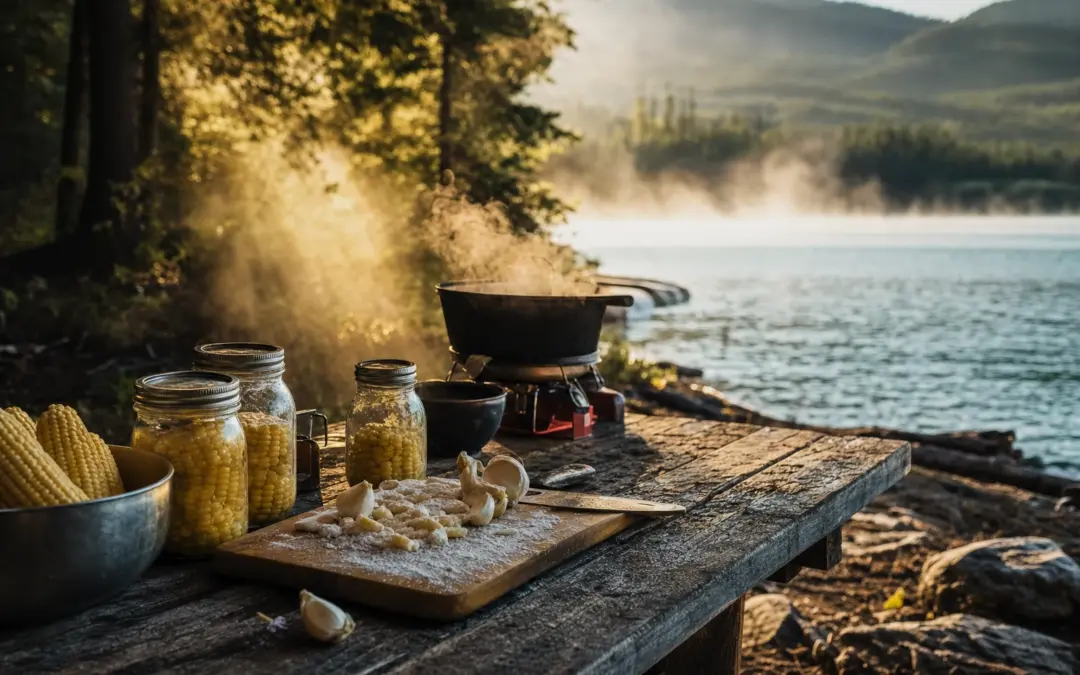
Carp have an almost comical weakness for garlic, and sweetcorn is already one of the deadliest carp baits on the planet. Put them together and you’ve got something that pulls fish from across a wide area. This is one of the easiest recipes you can make, and the results are consistently good whether you’re fishing a lazy river bend or a local pond loaded with big commons.
What You Need
- 1 can or 1 cup of dried whole kernel corn (canned works; dried works better after soaking)
- 4–6 cloves of fresh garlic, crushed or minced
- 2 tablespoons of salt
- 1 tablespoon of sugar (optional — adds a slight fermented sweetness over time)
- Water to cover
How to Make It
If you’re using bulk dried corn, cover it with water, add your crushed garlic, salt, and sugar, then let it soak in a sealed jar for 24–48 hours at room temperature. The kernels will plump up and absorb the garlic oil through their skin. For canned corn, drain it, toss it in a jar with the garlic and salt, and give it at least 4–6 hours in the fridge. The dried-corn method is worth the wait — the texture stays firm on the hook, and the scent release is stronger. Thread 2–3 kernels on a size 6 or 8 hook and fish it on a simple hair rig or directly on the bend of the hook near the bottom.
Recipe 2: Chicken Liver Paste (Catfish)
Catfish hunt by smell more than sight, and chicken liver is one of the most potent attractants you can put in the water. The problem with raw liver is that it falls off the hook constantly. Turning it into a paste solves that and lets you pack it around a treble hook or a sponge hook so it actually stays put through a cast. This recipe also adds some extra attractants that take it up another notch.
What You Need
- 1 lb of fresh chicken livers
- ½ cup of all-purpose flour
- 2 tablespoons of garlic powder
- 1 tablespoon of anise extract or anise oil
- 1 teaspoon of salt
- Optional: a splash of strawberry Jell-O powder for sweetness and color
How to Make It
Blend or mash the chicken livers until you have a rough paste — a food processor works fastest, but a fork and some elbow grease does the job. Add the garlic powder, anise, and salt and mix thoroughly. Fold in the flour a little at a time until the paste holds its shape and doesn’t drip off a spoon. You want something with about the consistency of thick peanut butter. Spread it onto wax paper in small balls or patties, then freeze them on a tray before storing in a zip-lock bag. Frozen portions are easier to handle streamside. Use catfish sponge hooks for best results — the paste clings to the foam and releases scent steadily as it thaws in the water.
Recipe 3: Homemade Boilies (Carp)
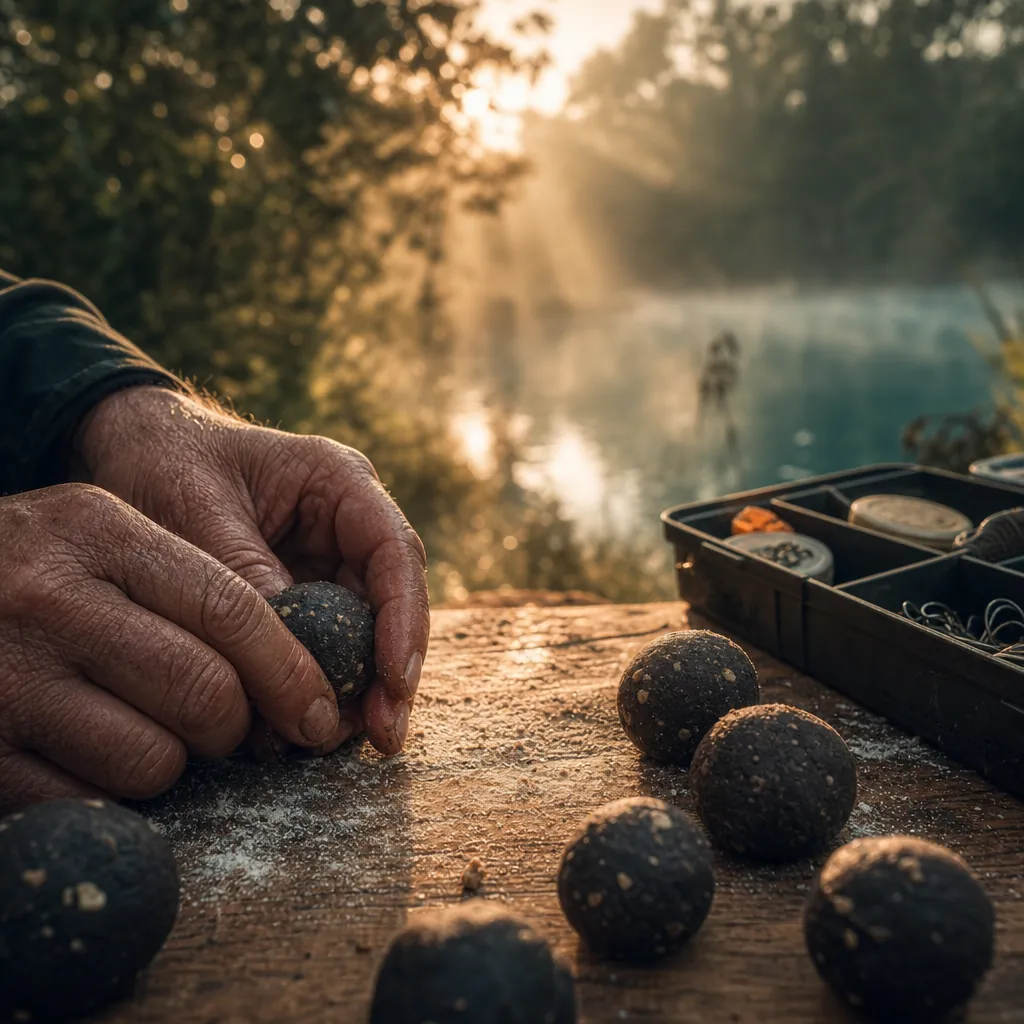
Boilies are the gold standard carp bait in the UK and they’ve earned a serious following in the US over the last decade. The boiling step is what gives them their name — it creates a firm outer skin that resists smaller nuisance fish and holds up on a hair rig for hours. Making your own lets you dial in flavors that carp in your local water haven’t been conditioned to avoid yet.
What You Need
- 1 cup of semolina flour
- ½ cup of soy flour or bird food base mix
- 2 large eggs
- 1–2 tablespoons of your chosen flavor — strawberry, scopex (coconut/caramel), or fishmeal powder all work well
- A few drops of food-grade flavor oil (optional but recommended)
How to Make It
Mix your dry ingredients together in a bowl. Beat the eggs separately, add your flavoring to the egg mix, then combine wet and dry until you have a stiff dough. Roll the dough into balls about the diameter of a marble — somewhere between 14mm and 20mm is standard. Bring a pot of water to a full boil, drop the balls in, and boil for exactly 2 minutes. Fish them out with a slotted spoon and spread them on a rack to dry and harden overnight. Once dried, store in the fridge or freeze for later. Use them on a hair rig setup — the boilie sits just off the hook bend and the presentation is incredibly natural. If you want to get serious about base mixes, picking up bulk semolina online saves a lot over grocery store pricing.
Recipe 4: Bread Ball Bait (Panfish and Trout)
This is the one your grandfather probably knew. Simple bread balls have been catching bluegill, crappie, and small trout for generations because they work. The trick most people miss is using the right bread and the right add-ins to keep the bait from dissolving too fast and to push the scent out into the water column ahead of the presentation.
What You Need
- 2–3 slices of white sandwich bread, crusts removed
- 1 teaspoon of vanilla extract or anise extract
- 1 teaspoon of peanut butter (creamy) — acts as a binder and attractant
- Pinch of sugar
- Optional: a pinch of powdered garlic or cheese powder
How to Make It
Tear the bread into a bowl and add the peanut butter, extract, and any dry flavorings. Work it together with your fingers — you’re pressing and folding, not kneading. The goal is a dense, slightly tacky dough that holds its shape when you pinch off a pea-sized piece. Don’t overwork it or it turns gummy and dense in a way that makes it hard to form. If it’s too wet, add a pinch of flour. Keep it in a small sealed container in your tackle bag during fishing. For panfish, pinch a small ball just big enough to cover a size 8 or 10 hook. It’ll dissolve slowly and release scent — give it a fresh piece every 3–4 minutes if you’re not getting bites. This bait pairs especially well with a small float fished 1–2 feet under the surface.
Recipe 5: Berkley Gulp–Style Scented Dough Bait (All-Purpose)
Berkley’s Gulp and PowerBait lines use a water-soluble scent delivery system that bleeds attractants into the water much faster than traditional baits. You can approximate that at home with a glycerin-based dough that holds together well and soaks up whatever scent attractant you choose. This one is more technical than the others but it’s remarkably effective and very cheap to produce in quantity.
What You Need
- 1 cup of all-purpose flour
- ¼ cup of cornmeal
- ¼ cup of vegetable glycerin (food grade)
- 2–3 tablespoons of your chosen fishing scent attractant — crawfish, garlic, anise, or shrimp oil all perform well
- Warm water as needed to bring the dough together
- Food coloring (optional — bright chartreuse or orange can help in stained water)
How to Make It
Combine the flour and cornmeal in a bowl. Mix the glycerin, scent oil, and food coloring together separately, then pour the wet mix into the dry and stir. Add warm water a tablespoon at a time until you get a smooth, pliable dough — it should feel like soft modeling clay. The glycerin is the key ingredient here: it’s water-soluble, which means it carries the scent molecules into the surrounding water efficiently and doesn’t just sit inert on the bottom. Knead for a couple of minutes to make sure the scent is evenly distributed throughout. Store in a sealed zip-lock or small airtight container. It’ll keep in the fridge for 1–2 weeks. Mold it around a treble hook or a trout dough bait hook and fish it on the bottom with a light sinker. Works well for trout, catfish, and carp depending on which scent you choose.
Common Mistakes to Avoid
- Using too much binder: Flour, breadcrumbs, and peanut butter hold baits together, but too much makes them rock-hard and reduces scent release. Aim for firm but slightly tacky.
- Skipping the hook-hold test: Before you head to the water, cast each bait type into a bucket of water and see how it holds. If it dissolves in 30 seconds on land, it’ll be gone in 10 on the retrieve.
- Ignoring local conditions: A strong garlic scent crushes it in still, warm ponds. In fast, cold trout streams, lighter attractants like vanilla or anise often outperform heavy savory scents.
- Making too much at once: Fresh bait outperforms old bait almost every time. Make smaller batches more frequently rather than one large batch that sits in the fridge for three weeks.
- Not testing flavors systematically: If you change the scent and the binder at the same time, you won’t know what made the difference. Change one variable per session so you actually learn what your local fish respond to.
- Storing at the wrong temperature: Liver-based baits go bad fast. Always freeze extra portions of protein-based baits and only thaw what you’ll use that day.
Final Thoughts
None of these recipes require a chemistry degree or a specialty kitchen. A bowl, a fork, a jar, and thirty minutes of your time is all it takes to put together bait that’s genuinely competitive with anything hanging on the peg rack at the tackle shop — and often better, because you’ve tuned it to what fish in your specific water actually want. Start with the garlic corn or the bread balls, get a feel for the process, then work your way up to boilies when you’re ready to get serious about carp. The fish don’t care who made the bait. They care how it smells and how it feels. Get that right and you’ll be catching.